Forgotten Matchbooks: A Visual Archive of Mid-20th Century Queer Social Life
Introduction
In the pre-digital era, before the advent of dating apps like Grindr and Sniffies, the LGBTQ+ community, particularly gay men, relied on ingenious analog methods to connect and find companionship. One such forgotten artifact was the humble matchbook. Within the dimly lit, smoke-filled confines of gay bars, these small pieces of ephemera served a dual purpose: they were a ubiquitous promotional item and a discreet tool for exchanging contact information, acting as a social lubricant in more ways than one.
Key Details
- The Rise of Gay Matchbooks: Throughout the mid-20th century, matchbooks were a common feature in gay bars, often featuring custom typography, hand-drawn illustrations, and photography.
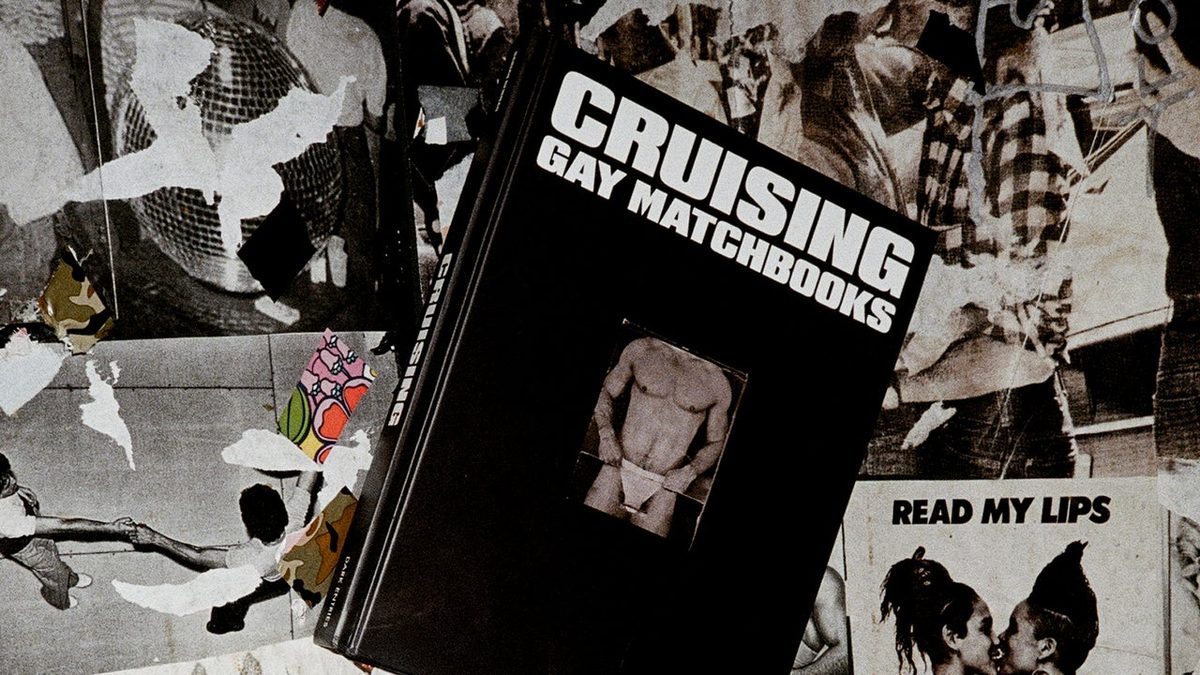
- Darian Newman's Project: Designer and editor Darian Newman has dedicated two books, titled Cruising: Gay Matchbooks, to preserving this unique aspect of queer history. The second edition features 200 new designs and 12 curated essays.
- A Window into Queer Joy: The matchbooks offer a rare glimpse into moments of queer pleasure and community building, contrasting with the often-documented narratives of struggle and persecution from the same era.
- Discreet Advertising: Many bars lacked overt signage for safety reasons, making matchbooks a vital, albeit subtle, form of advertising that conveyed the establishment's unique atmosphere and vibe to those in the know.
- Tangible Connection: For older generations, these matchbooks evoke powerful memories, while for younger individuals, they offer a physical connection to a past where seeking companionship required active engagement and physical presence.
Background
Matchbooks were more than just a way to light a cigarette; they were a sophisticated piece of design and a crucial element of queer social infrastructure. In an era when gay bars were frequently subject to police raids and societal prejudice, discretion was paramount. These matchbooks, often bearing evocative names like “Manhole,” “Dude City,” or “Mother Lode,” were designed to attract a specific clientele while maintaining a low profile. Their designs were carefully crafted, using custom fonts and unique artwork to hint at the experience awaiting patrons within.
Lucas Hilderbrand, a professor of film and media studies at the University of California, Irvine, notes in an essay for Newman's book that these matchbooks and flyers often “fabulated vivid queer worlds.” They rarely depicted the actual physical venues but instead produced an idea or a promise of one. The design itself became a key element in creating the queer identity of the space, offering a visual language that resonated with the community. As Hilderbrand observes, “The design of some matchbooks may be more striking, retrospectively, than their venues, which may be all but forgotten.”
Impact Analysis
Darian Newman’s initiative to collect and publish these matchbooks has a significant impact on how we understand queer history. By focusing on the ephemera of everyday queer life, Newman brings to light aspects of the community that are often overshadowed by narratives of hardship and activism. The matchbooks represent moments of “pleasure,” as Newman writes in the book’s introduction: “The pleasure of being out and going out, the pleasure of lighting a cigarette, the pleasure of getting a stranger’s number with the promise of fun.” This emphasis on joy and social connection provides a more nuanced and complete picture of the past.
The success of the first book, which sold out multiple times, underscores a public appetite for this kind of historical material. It demonstrates that these seemingly trivial objects hold significant cultural and historical value, serving as tangible links to a past that is rapidly receding. The act of collecting these items—scouring eBay, Instagram, and connecting with collectors—also highlights the community effort involved in preserving this history.
Broader Context
The phenomenon of the gay matchbook exists within the broader context of queer subcultures developing their own distinct visual languages and social codes in the face of mainstream marginalization. Before widespread internet access and the normalization of LGBTQ+ identities, these coded communications were essential for survival and community building. Matchbooks, flyers, and even the specific slang used in these establishments all contributed to creating safe(r) spaces and facilitating connections. They were part of a larger ecosystem of queer ephemera that helped to define and sustain the community.
Furthermore, the focus on design and aesthetics within these matchbooks speaks to a broader trend in marginalized communities using creative expression as a form of both resistance and self-affirmation. While design for marginalized groups is often associated with protest, Newman points out that these matchbooks “exude pleasure.” This highlights the importance of recognizing and celebrating the joy, intimacy, and social life that existed within these communities, not just their struggles.
Future Outlook
Darian Newman's Cruising: Gay Matchbooks project is likely to inspire further research and appreciation for similar forms of historical ephemera. As digital archives become more prevalent, the physical artifacts of the past gain an even greater significance. There is potential for more such collections to emerge, focusing on other aspects of queer material culture from different eras and locations. This work also serves as a reminder of the value of analog methods of connection and the importance of preserving physical records in an increasingly digital world.
The project encourages a re-evaluation of what constitutes historical documentation. These matchbooks, once discarded after use, are now recognized as valuable historical documents that offer insights into social practices, design trends, and the lived experiences of a community. Future generations may find inspiration in these efforts to document and celebrate the often-overlooked facets of LGBTQ+ history, ensuring that these stories of connection and joy are not lost.
Conclusion
The forgotten queer artifact of the matchbook, brought back into focus by Darian Newman’s dedicated work, serves as a poignant reminder of the ingenuity and resilience of the LGBTQ+ community. These small, often overlooked items were vital tools for social connection, discreet advertising, and the creation of queer identity in mid-20th century America. They represent a time when forging relationships required a tangible effort, a physical act of seeking out companionship. Newman's Cruising: Gay Matchbooks not only preserves these unique designs but also celebrates the pleasure, joy, and vibrant social life that thrived within these spaces, offering a richer, more nuanced understanding of queer history beyond narratives of struggle.
“The matchbooks exude pleasure. The pleasure of being out and going out, the pleasure of lighting a cigarette, the pleasure of getting a stranger’s number with the promise of fun.”
Source: fastcompany.com