Google's Virtual Clothing Try-On Tool Now Available, Revolutionizing Online Shopping
Introduction
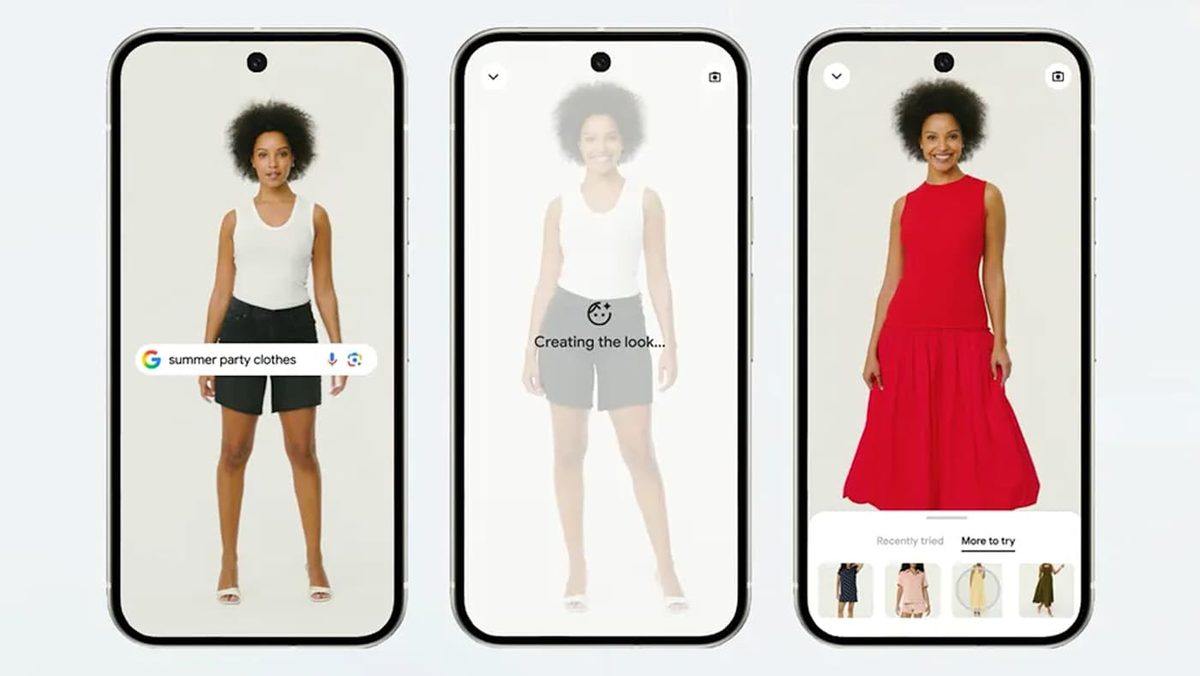
In a significant step towards enhancing the online shopping experience, Google has officially launched its AI-powered virtual clothing try-on tool for consumers in the United States. Unveiled during the I/O 2025 event in May, this feature enables users to upload a single, full-body photograph to see how different clothing items will fit and look on them. This tool is set to change the landscape of online retail by addressing one of the biggest challenges consumers face: the inability to physically try on garments before making a purchase.
Key Details
- Virtual Try-On Feature: Users can upload a full-body photo to visualize how different clothing items will fit.
- Image Generation Model: The tool utilizes a sophisticated model that accounts for the way various materials fold and drape on different body types.
- Billions of Clothing Items: The model is integrated with Google's Shopping Graph, which includes a vast range of clothing from popular retailers.
- Price Tracking: Users can set alerts for specific price points, ensuring they are notified when an item drops below their desired price.
- Future Features: More shopping functionalities will be added later in the year, enhancing the overall experience.
Background
The introduction of this feature comes at a time when e-commerce is booming, yet many consumers are still hesitant to buy clothing online due to sizing uncertainties and the inability to assess quality through physical interaction. Historically, online shoppers have faced the challenge of returning items that do not meet their expectations, leading to dissatisfaction and increased costs for retailers. Google's foray into virtual fitting rooms represents an effort to mitigate these issues by leveraging AI technology to create a more interactive shopping experience.
Impact Analysis
The implications of Google's virtual try-on tool are profound. By allowing consumers to visualize clothing on their own bodies, the tool can lead to more informed purchasing decisions, potentially reducing return rates for retailers.
"The Shopping Graph has products and prices from all across the web — so we’ll let you know when there’s an offer that meets your criteria," says Google, highlighting the convenience of the price tracking feature.This functionality not only saves time for consumers but also ensures they don't miss out on sales or discounts on items they are interested in.
Broader Context
As online shopping continues to evolve, companies like Google are at the forefront of integrating advanced technologies such as artificial intelligence to enhance consumer experiences. The incorporation of virtual try-on capabilities is part of a broader trend in which retailers are increasingly adopting technology to bridge the gap between online and in-store shopping. Other platforms are also exploring similar technologies, indicating a growing recognition of the importance of immersive shopping experiences.
Future Outlook
Looking ahead, Google plans to expand its AI Mode, which was first introduced in the United States in May 2025. This dedicated tab will soon enable users to explore outfit ideas and home decor suggestions directly through a chat interface, creating a seamless shopping experience. The introduction of these features suggests that Google is not only committed to improving online shopping but is also positioning itself as a leader in the integration of AI in e-commerce.
Conclusion
Google's launch of its virtual clothing try-on tool marks a pivotal moment in the online shopping landscape. By combining AI technology with consumer insights, Google is addressing longstanding challenges that have hindered the growth of online apparel sales. As the feature rolls out across the United States and beyond, it holds the promise of not only enhancing the consumer experience but also redefining the future of retail.