Breakthrough in Treating ALSP: Microglia Replacement Therapy Offers New Hope for Neurological Disorders
Introduction
Recent advances in neurobiology have led to a promising therapeutic approach for a rare but devastating genetic disorder known as Adult-onset Leukoencephalopathy with Axonal Spheroids and Pigmented glia (ALSP). Scientists have successfully applied microglia replacement therapy to replace malfunctioning immune cells in the brain, resulting in improved outcomes for patients. This breakthrough not only offers hope to individuals suffering from ALSP but also raises important prospects for treating more common neurodegenerative diseases such as Alzheimer’s disease.
Key Details
- ALSP is a rare genetic disorder characterized by progressive white matter degeneration in the brain, leading to cognitive decline, motor dysfunction, and ultimately, early death.
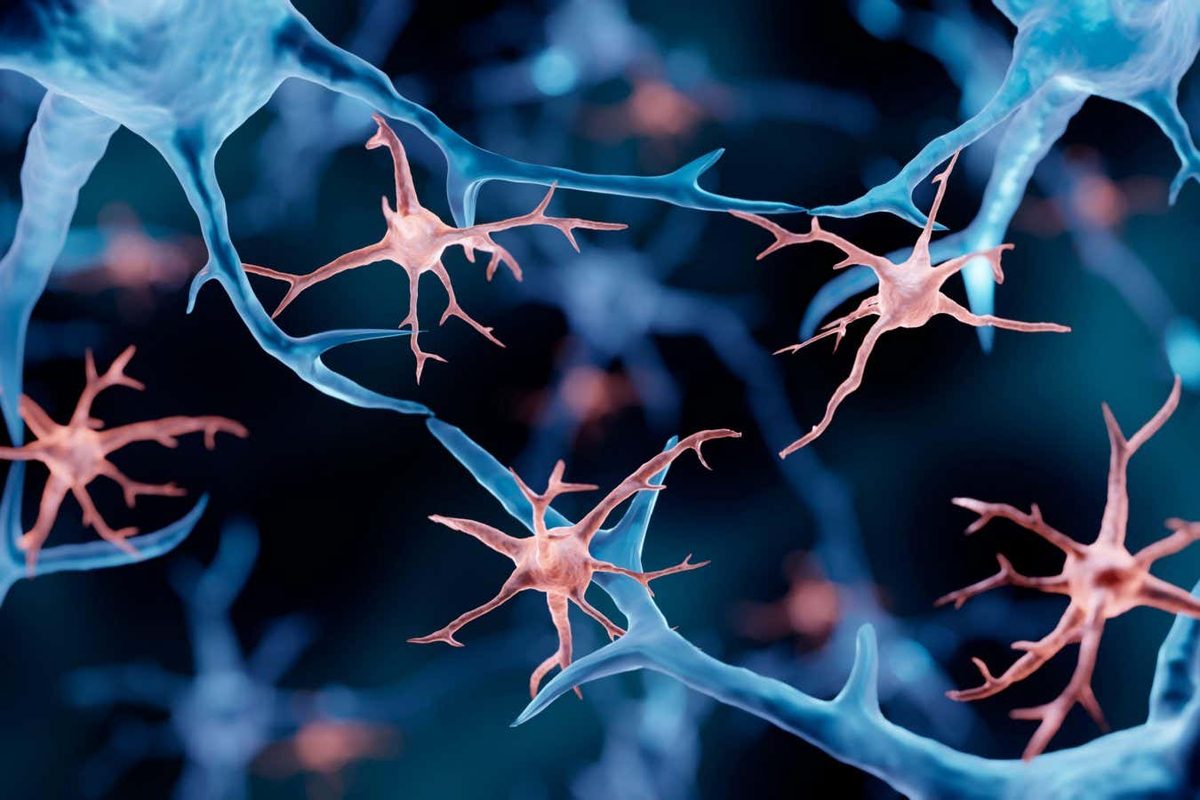
- Microglia are the brain’s resident immune cells that play a critical role in maintaining neural health and clearing cellular debris.
- The therapy involves replacing dysfunctional microglia with healthy donor-derived cells, restoring the brain’s immune environment.
- Initial clinical results demonstrated stabilization and partial reversal of neurological symptoms in treated ALSP patients.
- This approach may be applicable to other neurodegenerative disorders where microglial dysfunction is implicated, including Alzheimer’s disease.
Background
ALSP is caused by mutations in the CSF1R gene, which encodes a receptor essential for microglial survival and function. Patients typically experience symptoms in their 30s to 50s, including cognitive impairment, behavioral changes, and motor difficulties. The disease progresses rapidly, often resulting in severe disability or death within a decade of onset. Until now, treatment options have been limited to symptom management.
Microglia play a vital role in brain homeostasis, immune surveillance, and repair mechanisms. Dysfunctional microglia contribute to neuroinflammation and neuronal damage, which are common features across many neurodegenerative diseases. Hence, targeting microglia represents an attractive therapeutic strategy.
Analysis
The success of microglia replacement therapy in ALSP patients marks a significant milestone. By transplanting healthy microglia precursors, researchers have effectively reconstituted the brain’s immune milieu, reducing pathological inflammation and promoting neuronal survival. This finding underscores the importance of microglial health in maintaining neurological function.
While ALSP is rare, the implications of this therapy extend far beyond this single disorder. Alzheimer’s disease, affecting millions worldwide, also involves microglial dysfunction, contributing to amyloid plaque accumulation and neurodegeneration. If microglia replacement can modulate these pathological processes, it could revolutionize treatment paradigms.
Challenges remain, including optimizing cell delivery methods, ensuring long-term engraftment, and avoiding immune rejection. Moreover, understanding the precise mechanisms by which replaced microglia confer neuroprotection will be crucial for refining therapy.
Conclusion
Microglia replacement therapy represents a promising new frontier in treating ALSP and potentially other neurodegenerative diseases. This innovative approach highlights the critical role of the brain’s immune system in disease progression and recovery. Future research and clinical trials will determine the broader applicability of this therapy, potentially transforming outcomes for patients suffering from some of the most challenging neurological disorders.