Expanded E. coli Berry Recall Hits Walmart, Trader Joe's: Millions of Packages Potentially Affected
Introduction
The U.S. food safety landscape is once again under scrutiny as a widespread recall of frozen organic berries has been significantly expanded, now encompassing additional products sold at major retailers Walmart and Trader Joe's. The potential contamination stems from a dangerous strain of E. coli bacteria, specifically E. coli O145, which can produce Shiga toxin. This marks the second expansion of the recall since its initial commencement in July, highlighting the complexities of tracing and managing foodborne illness outbreaks through extensive supply chains.
Key Details
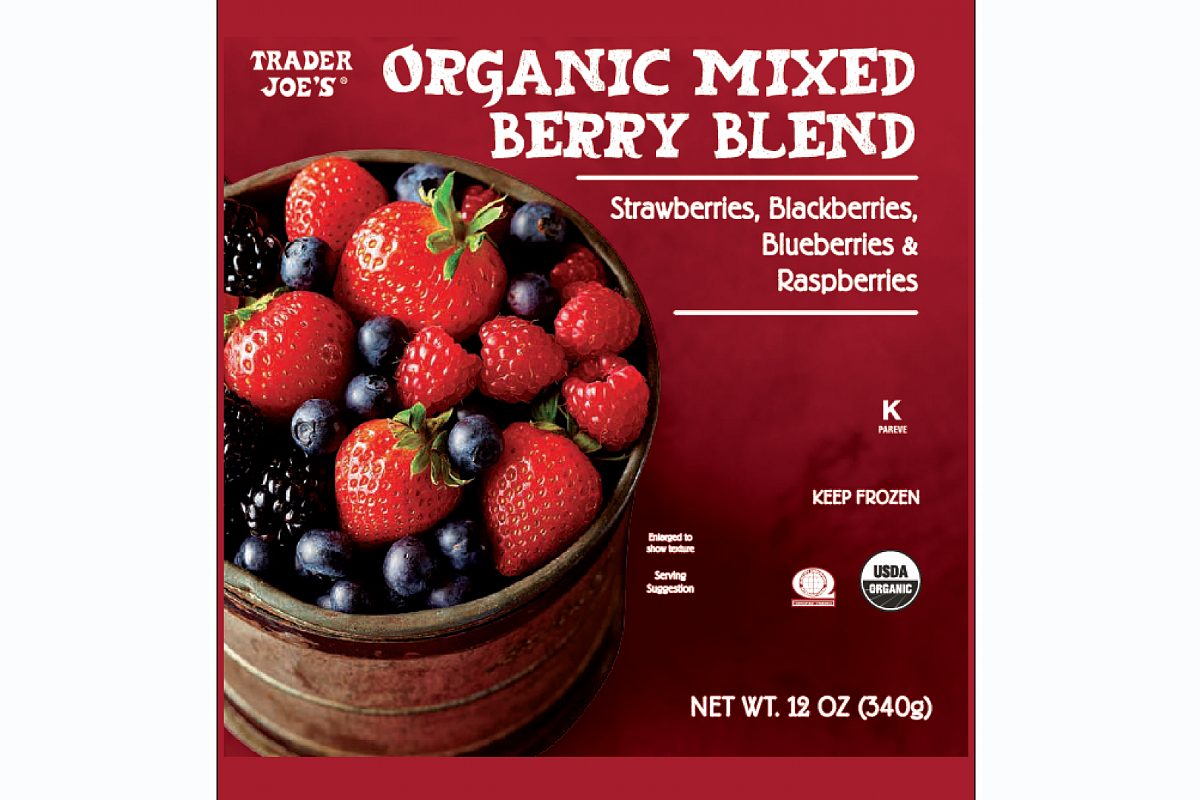
- Expanded Product List: The latest recall includes Great Value Organic Triple Berry Blend (10 oz), Great Value Organic Blueberries (10 oz), and Trader Joe's Organic Mixed Berry Blend (12 oz). Specific 'best if used by' dates and lot codes are provided for consumers to check their freezers.
- Retailers Affected: Great Value products were distributed to Walmart stores across 30 states and Puerto Rico, while Trader Joe's berries were shipped to select stores in 26 states and Washington, D.C.
- Health Risks: E. coli O145 can cause severe gastrointestinal distress, including bloody diarrhea, vomiting, and stomach cramps. While most recover within a week, some individuals, particularly young children, the elderly, and those with compromised immune systems, are at risk of developing hemolytic uremic syndrome (HUS), a serious condition that can lead to kidney failure.
- Consumer Action: Consumers are urged not to consume the recalled berries. They can be safely disposed of or returned to the place of purchase for a full refund.
- Supplier Information: The recall originates from Chilean supplier Frutas y Hortalizas del Sur S.A.
Background
The initial recall in July targeted GreenWise-brand organic blueberries sold at Publix stores. As of September 21, 2026, the Centers for Disease Control and Prevention (CDC) had reported 17 illnesses linked to the outbreak, with six hospitalizations in Florida and Georgia. Although the CDC declared the outbreak over on that date, the ongoing recall expansions indicate that the source of contamination may still be present in the supply chain or that the long shelf-life of frozen products means contaminated items could still be in circulation.
Impact Analysis
This expanded recall underscores the persistent challenges in ensuring the safety of frozen produce. The extended shelf-life of frozen goods means that even after an outbreak is declared over and initial recalls are issued, contaminated products can remain in consumers' homes for extended periods, posing a continued risk. The involvement of major retailers like Walmart and Trader Joe's means a vast number of consumers could be affected, necessitating widespread public awareness campaigns. The financial impact on the supplier, Frutas y Hortalizas del Sur S.A., and the retailers involved could be substantial, including costs associated with product retrieval, refunds, and potential damage to brand reputation.
Broader Context
Foodborne illness outbreaks, particularly those involving E. coli, are a recurring concern in the United States. Recent events, such as the raw milk cheese recall tied to an E. coli outbreak sickening 13 people, and the broader discussion around food safety issues influencing political discourse, highlight the vulnerability of the food supply chain. The complexity of global food sourcing, where ingredients may travel thousands of miles before reaching consumers, makes tracing contamination sources and implementing effective recalls increasingly difficult. Regulatory bodies like the FDA play a critical role in monitoring these events, issuing alerts, and working with companies to mitigate risks, but the sheer volume and interconnectedness of the food system present ongoing challenges.
Future Outlook
The continued expansion of this berry recall serves as a stark reminder of the need for enhanced traceability and safety protocols throughout the food industry. Consumers are likely to become more vigilant, demanding greater transparency regarding the origin and safety of their food. For retailers and suppliers, this situation necessitates a re-evaluation of their supply chain management, potentially leading to stricter supplier vetting, more frequent testing, and improved recall procedures. The long-term impact could spur innovation in food safety technology and regulatory oversight to prevent such widespread contamination events in the future.
Conclusion
The ongoing recall of frozen organic berries due to E. coli contamination serves as a critical public health alert. The expansion to include more Walmart and Trader Joe's products emphasizes the potential for widespread exposure and the importance of consumer vigilance. As the investigation and recall efforts continue, the incident highlights the inherent risks in our complex global food system and the ongoing need for robust safety measures to protect consumers from dangerous pathogens.
Source: drugs.com