Mark Ruffalo Condemns Paramount-Warner Bros. Merger, Vows Anti-Oligarch Fight Continues
Introduction
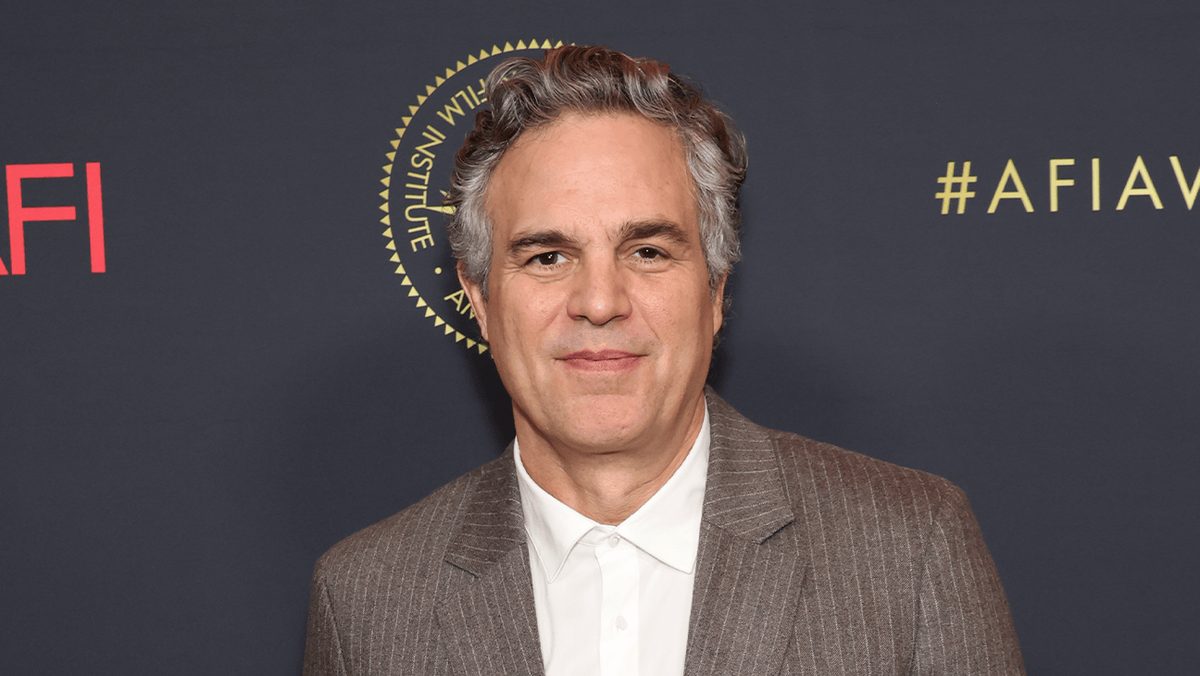
Hollywood actor Mark Ruffalo has voiced strong opposition to the recently approved merger between Paramount and Warner Bros. Discovery, decrying the deal as detrimental to creativity, free speech, and employment within the industry. His condemnation came shortly after a federal judge cleared the final legal obstacle for the settlement of an antitrust lawsuit, paving the way for the creation of a new media behemoth.
Key Details
- The merger, greenlit by U.S. District Judge Araceli Martinez-Olguin, allows Paramount to absorb Warner Bros. Discovery.
- The combined entity will be led by David Ellison, son of Oracle founder Larry Ellison, and co-CEO Ynon Kreiz.
- Ruffalo expressed concerns that the deal will “stifle creativity, weaken free speech, and cost people their jobs.”
- He stated that the anti-merger movement, which included figures like Jane Fonda and Joaquin Phoenix, “isn’t going to fade away.”
- The settlement includes specific requirements for film releases, theatrical windows, and SVOD holdbacks, with penalties for non-compliance.
- A $111 billion deal value was cited in the context of the settlement approval.
Background
The antitrust lawsuit, brought forth by a group of state attorneys general, aimed to prevent the consolidation of these major media players. The approval of the settlement signifies a significant shift in the media landscape, potentially leading to widespread industry layoffs and a reduction in market competition. Ruffalo, a vocal critic, framed the merger not just as a business transaction but as a broader struggle against “corrupt oligarch billionaires” prioritizing personal gain over public interest.
This is not the first time Ruffalo has been at the center of controversy surrounding Paramount. Previously, he faced criticism for a post that highlighted alleged ties between Oracle and the Israeli military. Paramount responded by stating their concern over “antisemitic tropes” being invoked in a business dispute, asserting that such language was inappropriate and devalued real suffering. This exchange underscores the high stakes and charged atmosphere surrounding corporate actions in the current geopolitical climate.
Impact Analysis
The approval of the merger is expected to have profound implications for the entertainment industry. Critics, including Ruffalo, fear a concentration of power that could lead to fewer diverse voices and a homogenization of content. The mandated release schedules and window requirements, while intended to preserve some level of output, may not fully offset the potential for reduced investment in riskier or independent projects. The judge’s decision to include backstops requiring divestment if the combined company fails to comply suggests an awareness of the potential for market manipulation, but the effectiveness of these measures remains to be seen.
“This merger will stifle creativity, weaken free speech, and cost people their jobs — it is a bad deal for this country and should never have been approved,” Ruffalo wrote on X. “This is an incredibly disappointing outcome for the hundreds of thousands of us who stood up to block it, but it’s also not the end.”
Broader Context
Ruffalo’s strong stance aligns with a growing sentiment among some public figures and consumer advocates who are increasingly wary of mega-mergers across various sectors. The argument often centers on the potential for such consolidations to harm consumers through higher prices, reduced choice, and diminished innovation. The involvement of celebrity endorsements, while potentially raising awareness, also highlights the intersection of entertainment, business, and political activism. The reference to “corrupt oligarch billionaires” points to a wider critique of wealth inequality and the influence of concentrated capital on public policy and market dynamics.
Future Outlook
While this specific merger has been approved, Ruffalo’s declaration that the fight is not over suggests that challenges to large-scale corporate consolidation may continue. The success of future opposition efforts will likely depend on sustained public engagement, regulatory scrutiny, and the ability to demonstrate concrete harm to competition and consumers. The terms of the settlement, particularly the penalties and divestiture clauses, will be closely watched to see if they effectively safeguard market health or become mere bureaucratic hurdles. The ongoing evolution of the media landscape, driven by technological change and shifting consumer habits, will undoubtedly shape the long-term impact of this consolidation.
Conclusion
The Paramount-Warner Bros. Discovery merger represents a significant development in the media industry, met with both approval from regulators and strong dissent from prominent figures like Mark Ruffalo. While the deal is set to proceed, the debate over its consequences—ranging from creative output to job security and market competition—is far from settled. Ruffalo’s commitment to continuing the fight underscores a broader concern about the unchecked power of large corporations and the need for vigilant oversight to protect public interests.
Source: hollywoodreporter.com