Mark Ruffalo's Plea to California AG: Block Paramount-Warner Bros. Deal Amid Antitrust Concerns
Introduction
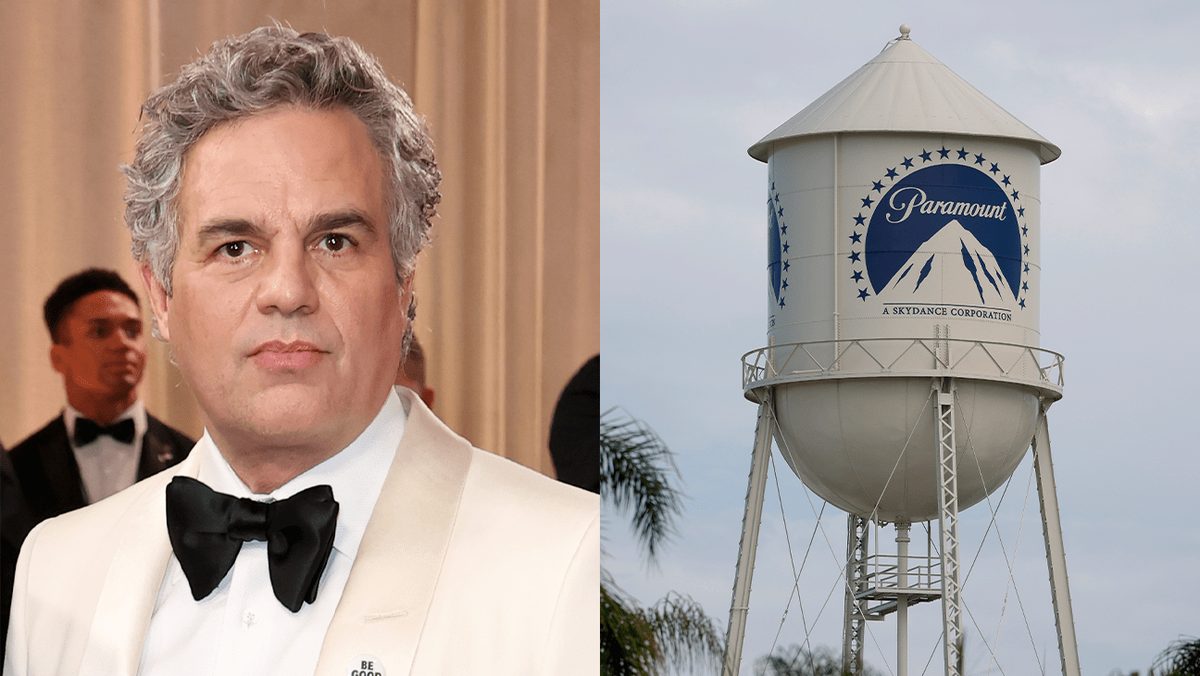
Actor Mark Ruffalo has intensified his public campaign against the proposed merger of Paramount and Warner Bros. Discovery, directly appealing to California Attorney General Rob Bonta to reject a potential settlement. Reports indicate that Paramount is nearing an agreement with 12 state attorneys general, led by California, to resolve the antitrust lawsuit that has put the acquisition on hold. Ruffalo’s impassioned plea, made via social media platform X, urges Bonta to stand firm against the deal, emphasizing the support from filmmakers and the public.
Key Details
- Actor Mark Ruffalo is urging California AG Rob Bonta not to settle the antitrust lawsuit concerning the Paramount-Warner Bros. Discovery merger.
- Ruffalo cited the support of 5,670 filmmakers and over 75,000 signatories to a petition opposing the deal.
- The Wall Street Journal reported that Paramount and the state attorneys general are close to reaching a settlement.
- Ruffalo has previously testified against the merger and signed an open letter opposing it.
- Paramount has responded to Ruffalo's criticisms, calling his remarks about the merger and its ties to Oracle “antisemitic.”
- Ruffalo has refuted the antisemitism accusation, deeming it “appalling and fundamentally dishonest.”
- The original lawsuit, filed in July, alleges the merger would reduce competition, leading to higher prices and less diverse content.
- A temporary restraining order had paused the merger, which Paramount agreed to extend pending a court decision.
Background
The antitrust lawsuit was filed in July by 12 state attorneys general, with California taking the lead. The core allegation is that the merger of two major Hollywood studios would stifle competition, inevitably resulting in increased costs for consumers, a reduction in the number of films released in theaters, and a decline in the overall variety and quality of cinematic content. California AG Rob Bonta articulated this concern at the time, stating, “This merger will snuff out competition, drive up prices, diminish content quality, and produce fewer movies and shows each year.” The legal challenge prompted U.S. District Judge Araceli Martínez-Olguín to issue a temporary restraining order, subsequently extended, which temporarily halted the acquisition process. Paramount subsequently agreed to a standstill until a judicial decision on the antitrust implications could be made.
Impact Analysis
Mark Ruffalo’s intervention highlights a significant public and industry concern regarding media consolidation. His argument, echoed by the petition signatories and filmmakers, centers on the potential negative consequences for the creative landscape and the audience. By combining Paramount and Warner Bros. Discovery, the fear is that a dominant entity could exert undue influence over content creation and distribution, potentially prioritizing profit over artistic diversity and innovation. The accusation of antisemitism leveled by Paramount against Ruffalo, stemming from his past comments linking Oracle's technology to the Israeli military and the conflict in Gaza, adds a contentious and deeply personal layer to the business dispute. This deflection tactic, if intentional, could serve to undermine Ruffalo’s credibility and distract from the core antitrust issues. However, Ruffalo’s swift and strong rebuttal underscores the seriousness with which such accusations are taken and the potential for them to backfire.
Broader Context
The debate surrounding the Paramount-Warner Bros. Discovery merger occurs against a backdrop of increasing scrutiny of Big Tech and media conglomerates. Antitrust regulators globally are paying closer attention to mergers that could lead to market monopolization. Ruffalo’s involvement, leveraging his celebrity status, brings a public-facing dimension to what is primarily a legal and economic battle. His previous engagement, including testifying before a Senate hearing, demonstrates a consistent commitment to opposing what he perceives as harmful consolidation in the entertainment industry. Furthermore, his earlier controversial remarks regarding Oracle and its alleged ties to the Israeli military introduce a complex geopolitical element, although Paramount's response frames these as antisemitic tropes used inappropriately in a business context.
Future Outlook
The immediate future hinges on whether California AG Rob Bonta and the other state attorneys general agree to a settlement with Paramount. If a settlement is reached, it could signal a less stringent regulatory environment for future media mergers, potentially emboldening other large companies to pursue similar consolidation. Conversely, if Bonta rejects a settlement and continues to pursue the antitrust case vigorously, it could set a precedent for stricter enforcement and serve as a deterrent against future deals that raise competition concerns. Ruffalo’s public pressure campaign, while unlikely to be the sole determinant, adds a significant voice to the public discourse. The legal and regulatory outcome will have lasting implications for the structure of Hollywood and the future of content creation and distribution.
Conclusion
The potential settlement of the antitrust lawsuit against the Paramount-Warner Bros. Discovery merger is at a critical juncture, with actor Mark Ruffalo making a strong public appeal for its rejection. His stance, backed by a significant number of filmmakers and the public, highlights concerns about market concentration and its impact on cultural output. Paramount’s counter-accusation of antisemitism introduces a volatile element, which Ruffalo vehemently denies. The decision facing Attorney General Bonta will weigh economic arguments against potential harms to competition and consumer choice, with the added complexity of personal accusations. The outcome will significantly shape the future landscape of the entertainment industry and the regulatory approach to media consolidation.
Source: hollywoodreporter.com