Elliot Page and Samantha Morton Face Post-Blockbuster Career Lulls
Introduction
The glitz and glamour of Hollywood often mask a more precarious reality for actors, even those who star in record-breaking blockbusters. Such appears to be the case for Elliot Page and Samantha Morton, who, despite delivering acclaimed performances in Christopher Nolan’s recent epic, “The Odyssey,” have found themselves in an unexpected career lull. Page, in particular, has spoken candidly about the surprising silence from casting directors since the film’s release, a sentiment echoed by his co-star Morton.
Key Details
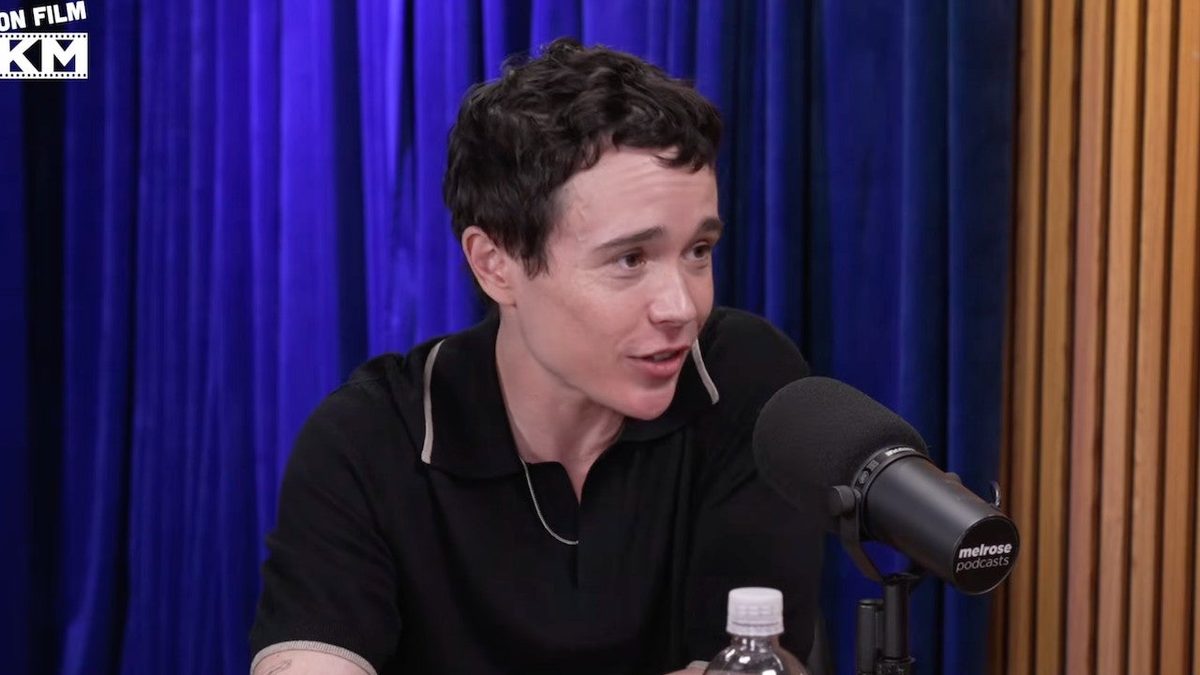
- Elliot Page stated on the “On Film… With Kevin McCarthy” podcast that he has received no job offers since appearing in “The Odyssey.”
- Page expressed a desire to do “good work” and feels he is capable of performing at his peak, suggesting a readiness for new challenging roles.
- Samantha Morton, who played Circe in “The Odyssey,” also revealed on the “Happy Sad Confused” podcast that she has not worked in a year since the film wrapped.
- Morton cited her age (49) and the changing “politics of the industry” as potential factors contributing to the lack of work, despite having strong representation.
- Both actors highlighted the contrast between their current career situation and the success of the film, questioning industry norms.
Background
“The Odyssey,” directed by Christopher Nolan, has been lauded as a critical and commercial success, drawing massive audiences and critical praise. Both Elliot Page, who portrayed Sinon, and Samantha Morton, who delivered a terrifying performance as Circe, were integral to the film’s impact. Page, who has previously worked with Nolan on “Inception,” described his experience on “The Odyssey” set as cathartic and a “full-circle moment” upon completion. Morton, a critically acclaimed actress known for her versatile roles, also found her performance in “The Odyssey” to be a significant artistic endeavor.
Impact Analysis
The revelations from Page and Morton challenge the conventional wisdom that participation in a blockbuster automatically guarantees a steady stream of future work. For Page, who has navigated significant personal and professional transitions, this period of inactivity is particularly noteworthy. His statement, “So let’s – if someone wants to call me,” carries a poignant undertone, suggesting a readiness and eagerness for new opportunities that are not materializing. Similarly, Morton’s candid admission about being unemployed for a year, despite her talent and representation, points to a potential systemic issue within the industry. Her specific mention of age and industry politics suggests that factors beyond pure acting ability are heavily influencing casting decisions, particularly for experienced actresses.
“I haven’t worked for a year since making ‘The Odyssey,’ you know, and I’ve got really good agents and a manager, but at the end of the day, I’m 49. I do believe I’m a good actor, [but] there are other good actors out there. So, the politics of the industry has changed massively.”
Broader Context
The experiences of Page and Morton are not isolated incidents in Hollywood. The industry has long grappled with issues of ageism, particularly affecting actresses over a certain age, and the challenges faced by actors after major career shifts. While “The Odyssey” was a commercial triumph, its success did not translate into immediate employment for these two key cast members. Page’s subtle nod to “pushback for being Canadian” also hints at potential biases related to nationality, adding another layer to the complexities of securing work. The industry’s reliance on perceived marketability, rather than solely on talent and past performance, often leads to situations where established actors find themselves sidelined.
Future Outlook
The immediate future for both Elliot Page and Samantha Morton remains uncertain, though their willingness to speak out may foster change. By bringing attention to the lack of opportunities, they are highlighting potential biases and encouraging a re-evaluation of casting practices. Page’s assertion that he feels he could be doing “some of my best work now” is a powerful statement of artistic readiness. Morton’s pragmatic acknowledgment of industry shifts suggests a need for greater transparency and fairness. Whether this leads to direct job offers or sparks a broader conversation about age, identity, and opportunity in Hollywood remains to be seen. However, their honesty serves as a crucial reminder that even celebrated roles do not always guarantee continued employment in a highly competitive and often unforgiving industry.
Conclusion
The career trajectories of Elliot Page and Samantha Morton following their impactful roles in “The Odyssey” serve as a stark reminder of the unpredictable nature of the entertainment industry. Despite critical acclaim and box office success, both actors have faced an unexpected dearth of job offers. Their candid discussions shed light on the persistent challenges of ageism, industry politics, and potential biases that can affect even established talent. As they express their desire to continue performing and creating meaningful work, their experiences underscore the need for a more inclusive and merit-based approach to casting, ensuring that talent and dedication are consistently recognized and rewarded, regardless of age or background.
Source: thewrap.com