ECB Governing Council Member Advocates for Steady Interest Rates Amid Economic Uncertainty
ECB Governing Council Member Advocates for Steady Interest Rates Amid Economic Uncertainty
Introduction
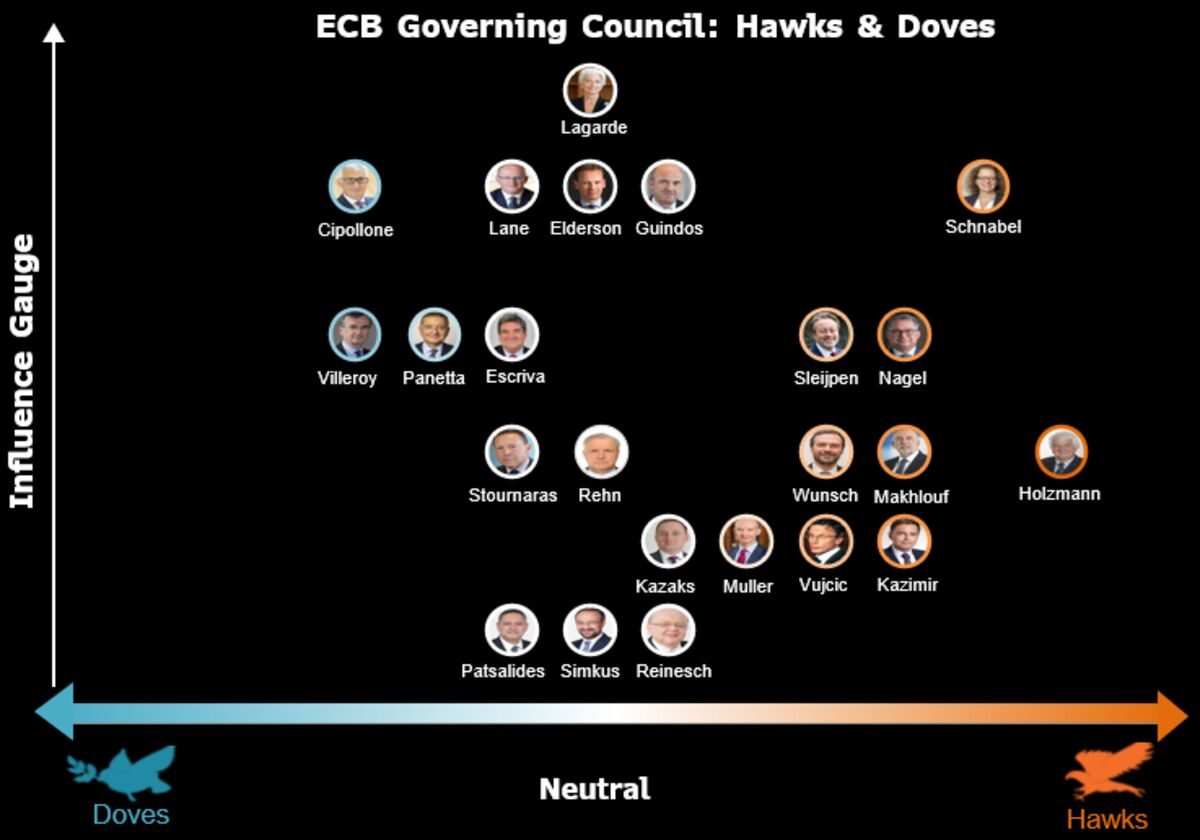
The European Central Bank (ECB) is navigating a complex economic landscape, marked by uncertainty and fluctuating growth rates across the Eurozone. Recently, Martins Kazaks, a member of the ECB's Governing Council, expressed a cautious stance regarding further interest rate cuts. His comments reflect a nuanced understanding of current economic conditions and the potential risks associated with significant monetary policy changes.
Key Details
- Kazaks emphasizes that the ECB is not facing immediate economic distress.
- He points out the potential negative impacts of further rate cuts on financial stability.
- Current inflation rates and economic recovery indicators suggest a wait-and-see approach.
- Kazaks acknowledges that monetary policy must remain flexible to adapt to future challenges.
Background
The ECB has been instrumental in shaping monetary policy within the Eurozone, especially in the wake of the financial crises and the ongoing recovery from the COVID-19 pandemic. In the past few years, the central bank has implemented a series of interest rate cuts aimed at stimulating economic activity. However, the effectiveness of such measures has often been debated among economists and policymakers.
With inflation rates fluctuating and economic growth showing signs of slowing down, the ECB faces a critical juncture. Kazaks' recent remarks come at a time when many analysts are closely watching the central bank's next moves. As a member of the Governing Council, his insights carry significant weight and can influence the direction of monetary policy in the Eurozone.
Analysis
Kazaks' assertion that further interest rate cuts may not be necessary unless the economy experiences a 'major blow' reflects a broader sentiment within the ECB. While there may be pressure from various sectors to lower rates in order to boost spending and investment, the risks associated with such a move must be carefully weighed.
One of the critical concerns is the potential for diminishing returns on investment from lower interest rates. If rates are cut too aggressively, it may lead to an overheated economy, with inflation rising faster than wages, thus eroding consumer purchasing power. This scenario could create a paradox where the intended stimulus may lead to unintended economic consequences.
Moreover, Kazaks' comments highlight the balancing act that central banks must perform. On one hand, they need to support economic growth and employment, especially in the context of a recovering global economy. On the other hand, they must maintain financial stability and prevent asset bubbles that could destabilize the economy in the long run.
As economic indicators continue to evolve, the ECB will need to remain vigilant and responsive. Kazaks' call for a cautious approach suggests that the central bank may prefer to maintain the current rates for the time being, allowing for greater observation of economic trends before making drastic policy changes. This strategy aligns with the broader goal of ensuring sustainable growth without jeopardizing financial stability.
Conclusion
In conclusion, Martins Kazaks' remarks underscore the importance of a measured approach to monetary policy amidst ongoing economic uncertainties in the Eurozone. As the ECB considers its next steps, it is vital to balance the immediate benefits of lower interest rates against the potential long-term risks. The central bank's decisions will ultimately play a significant role in shaping the economic landscape of Europe in the coming months.