Understanding VESA Mounts: Ensuring Secure TV Installation
Introduction
When it comes to mounting a television on the wall, ensuring a secure and stable installation is paramount. One of the most crucial, yet often misunderstood, aspects of this process is the VESA mount standard. Far from being another technical specification like screen resolution, VESA (Video Electronics Standards Association) refers to a standardized pattern of mounting holes found on the back of most modern TVs and displays. Understanding this standard is key to selecting the correct wall mount and guaranteeing your valuable equipment is safely supported.
Key Details
- VESA Pattern Explained: A VESA pattern is defined by the spacing of the threaded mounting holes on the back of a TV, measured in millimeters. It's expressed as a horizontal measurement followed by a vertical measurement (e.g., 400 × 200 mm).
- Meaning of VESA Sizes: A 400 × 200 mm VESA pattern means the mounting holes are 400mm apart horizontally and 200mm apart vertically. A 200 × 200 mm pattern is 200mm in both directions.
- Not About Screen Size or Resolution: VESA dimensions do not correlate directly with a TV's screen size or its pixel resolution. While larger TVs often use larger VESA patterns, screen size alone is not a reliable indicator.
- Mount Compatibility: Most wall mounts are designed to support multiple VESA patterns. Your TV's pattern simply needs to be listed among the compatible patterns for the mount you choose.
- Finding Your TV's VESA Pattern: The easiest method is to consult your TV's user manual or the manufacturer's support website. Look for specifications related to wall-mounting or VESA.
- Manual Measurement: If the VESA pattern is not readily available, you can measure the distance between the centers of the mounting holes horizontally and vertically, in millimeters.
- Beyond the Pattern: A matching VESA pattern is only the first step. You must also verify the wall mount's weight capacity and ensure it exceeds your TV's weight.
- Hardware and Installation: Always check the specific screws and hardware required for your TV model and follow the mount manufacturer's instructions for secure wall attachment.
Background
The VESA mounting interface standard was established to simplify the process of connecting displays to mounts, stands, and other accessories. Before its widespread adoption, manufacturers often used proprietary mounting systems, leading to compatibility issues and confusion for consumers. By creating a universal standard, VESA aimed to ensure that a TV from one manufacturer could be easily mounted using a bracket from another, provided both adhered to the VESA specifications. This standardization benefits consumers by increasing the availability of mounting options and simplifying the purchasing decision. It also encourages competition among mount manufacturers, potentially leading to better products and prices.
Impact Analysis
The primary impact of the VESA standard is the significant reduction in installation complexity and the enhanced safety of TV mounting. Consumers no longer need to worry about whether a specific mount will physically align with their TV's mounting points. The standardization ensures that, once the correct VESA pattern and weight capacity are identified, the physical connection is almost guaranteed to be compatible. This standardization has been instrumental in the proliferation of wall-mounted TVs, a trend driven by the desire for space-saving solutions and more aesthetically pleasing home entertainment setups. Without VESA, the market for TV mounts would likely be fragmented and far less accessible.
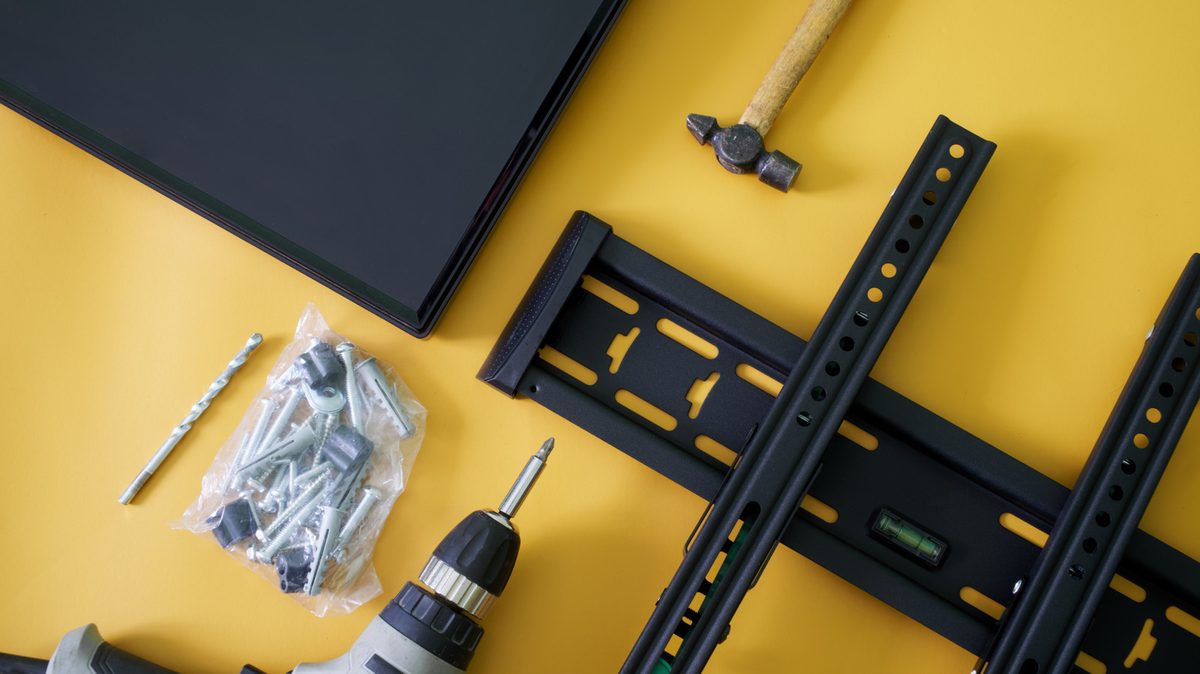
The VESA standard ensures that a TV's mounting holes will align with the bracket, but it is crucial to also verify the mount's weight capacity and the required hardware for a safe installation.
Broader Context
The VESA standard is a prime example of how industry-wide cooperation can benefit consumers. In the consumer electronics space, standardization is often a delicate balance between fostering innovation and ensuring interoperability. VESA has successfully navigated this by providing a foundational standard for physical mounting interfaces, while allowing manufacturers the freedom to innovate in other areas, such as display technology, smart features, and design. This approach has facilitated the growth of the entire ecosystem around flat-panel displays, from wall mounts and articulating arms to monitor stands and video conferencing systems.
Future Outlook
As display technology continues to evolve, with larger screen sizes, thinner profiles, and new form factors emerging, the VESA mounting standard is likely to adapt. While the core principles of measuring hole spacing will remain, we may see adjustments to accommodate new mounting requirements or increased weight capacities for larger, premium displays. The continued emphasis on safety and ease of installation will likely drive future iterations of the standard, ensuring that wall-mounted displays remain a popular and secure option for consumers worldwide.
Conclusion
Understanding VESA mounts is not merely a technical detail; it is a fundamental step towards a safe, secure, and aesthetically pleasing television installation. By familiarizing yourself with VESA patterns, learning how to identify your TV's specific requirements, and always cross-referencing with the mount's weight limit and hardware specifications, you can confidently choose the right wall mount and enjoy your viewing experience without worry.
Source: engadget.com