McDonald's Tests Drive-Thru Ad Placements to Boost Revenue Amidst Falling US Sales
Introduction
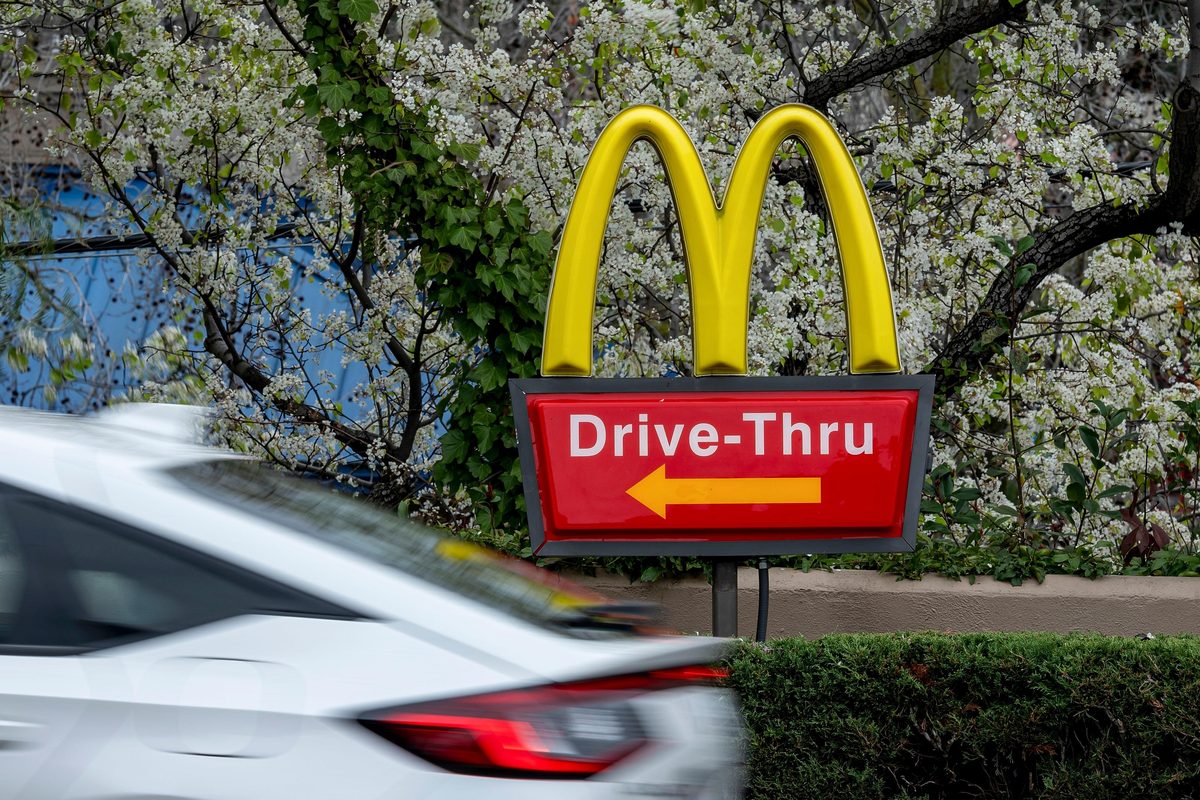
McDonald's, the global fast-food behemoth, is venturing into a new advertising frontier by testing the placement of third-party advertisements on its digital menu boards at drive-thru locations. This strategic move, currently in a limited pilot phase at company-owned restaurants, signifies a significant shift in how the iconic brand plans to monetize its vast customer touchpoints and potentially offset recent sales challenges.
Key Details
- Pilot Program: The advertising test is being conducted at select company-owned McDonald's drive-thru restaurants.
- Ad Placement: Advertisements from external brands will be displayed on digital menu boards after a customer has completed their order, while they wait for their food.
- Company Stance: A McDonald's spokesperson stated the test is to explore “ways to share post-purchase content that customers may find helpful, relevant, or interesting.”
- Revenue Potential: Analysts suggest this could open a significant new revenue stream for McDonald's, particularly as the company faces declining sales in the U.S. market.
- Broader Strategy: This initiative aligns with McDonald's broader push into technology, including its AI-powered ArchIQ assistant designed to identify repeat customers and personalize orders.
Background
The fast-food industry is notoriously competitive, and McDonald's, despite its global dominance, is not immune to market fluctuations. Recent reports have indicated a slowdown in sales within the United States, prompting the company to explore innovative strategies for growth and revenue diversification. The drive-thru channel, a critical component of McDonald's business model, represents a high-traffic area where customers spend a captive few minutes waiting for their orders. Leveraging this time for advertising presents a logical, albeit potentially controversial, opportunity.
Impact Analysis
The introduction of third-party ads at the drive-thru could have a multifaceted impact. For McDonald's, the primary benefit is the potential for a substantial new revenue stream. Selling ad space on its coveted digital menu boards could generate significant income, especially if the pilot proves successful and is rolled out more broadly. This could help mitigate the financial pressure from declining domestic sales. For the advertisers, it offers direct access to a massive, engaged audience at the point of purchase. However, the impact on the customer experience is a key consideration. While McDonald's frames it as “helpful, relevant, or interesting” content, customers visiting a fast-food restaurant primarily seek a quick and efficient meal. The introduction of ads, even post-purchase, could be perceived as intrusive or detract from the core service, potentially leading to customer frustration or a preference for competitors who maintain a more streamlined experience.
Broader Context
This move by McDonald's is part of a larger trend within the quick-service restaurant (QSR) industry to leverage technology and data for both operational efficiency and new revenue generation. The company's simultaneous development of its AI-powered ArchIQ assistant highlights a commitment to enhancing customer interaction through personalized experiences. ArchIQ’s ability to identify repeat customers and recall their orders aims to streamline service and foster loyalty. Integrating advertising into this tech-forward approach suggests a vision where every customer interaction point is optimized for engagement and monetization. Competitors are also exploring similar avenues, from loyalty programs offering personalized deals to in-app advertising, indicating a broader industry shift towards data-driven business models.
Future Outlook
The success of this drive-thru advertising pilot will be crucial in determining its future. If customers respond positively, or at least neutrally, and the revenue generated proves significant, McDonald's is likely to expand the program. This could lead to a more sophisticated advertising platform integrated into their digital ecosystem. Conversely, negative customer feedback or a negligible impact on sales could see the initiative scaled back or abandoned. The company will need to carefully balance the revenue-generating potential against the risk of alienating its customer base. Further developments might include more targeted advertising based on order history or even dynamic pricing models influenced by ad placements. The integration with AI assistants like ArchIQ could also pave the way for highly personalized ad experiences, though this raises further privacy concerns.
Conclusion
McDonald's foray into drive-thru advertising is an ambitious attempt to innovate and adapt in a challenging market. By testing ad placements on digital menu boards, the company is exploring a novel revenue stream that could bolster its financial performance. While the potential benefits for McDonald's and advertisers are clear, the ultimate success of this strategy hinges on customer acceptance and the delicate balance between monetization and customer experience. The company's commitment to technology, as evidenced by its AI initiatives, suggests a forward-thinking approach, but this particular experiment will be closely watched for its reception and long-term viability.
Source: theverge.com