500-Million-Year-Old Fossil Reveals Surprising Connection to Spider Evolution
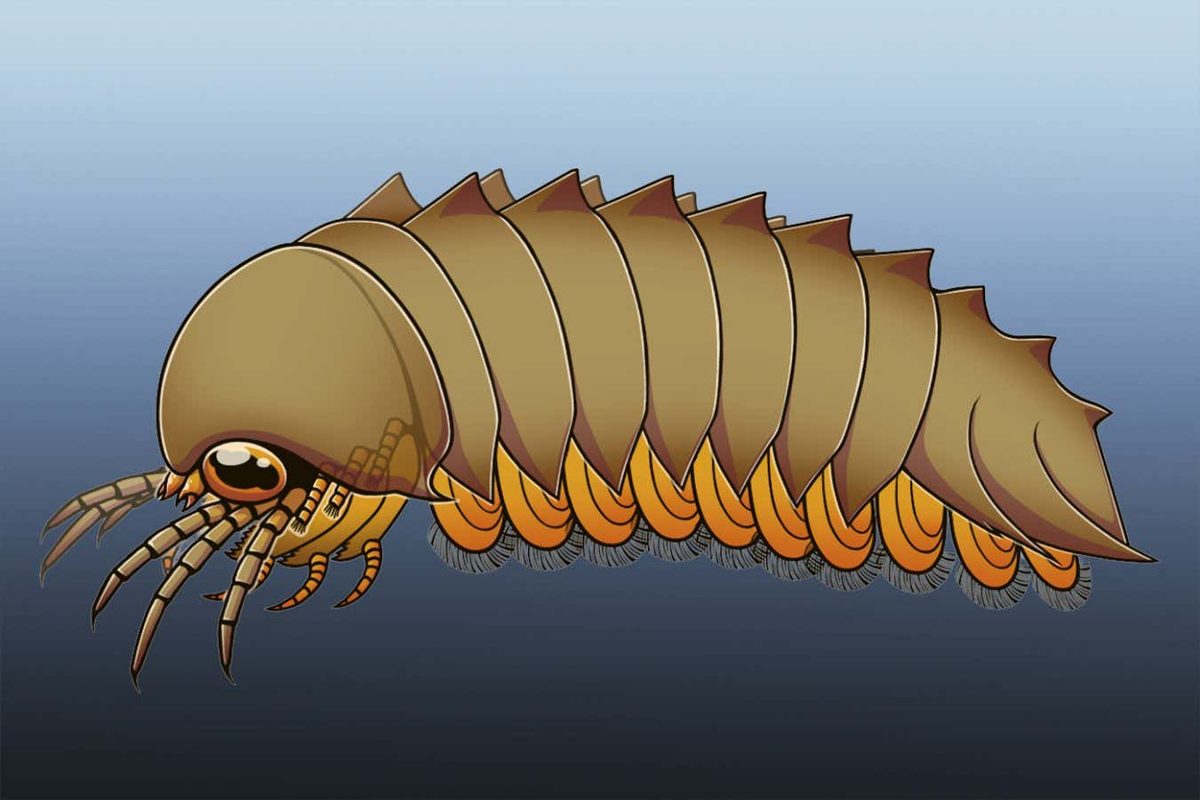
500-Million-Year-Old Fossil Reveals Surprising Connection to Spider Evolution
Introduction
A groundbreaking discovery involving a 500-million-year-old fossilized brain of the ancient marine creature Mollisonia has prompted scientists to reconsider the evolutionary history of spiders and their arachnid relatives. This finding not only provides essential insights into the neurological development of these creatures but also suggests that arachnids may have first emerged in the ocean rather than on land as previously thought. This revelation has significant implications for our understanding of the evolutionary transitions that shaped the diversity of life on Earth.
Key Details
- The fossilized brain of Mollisonia, a Cambrian-era creature, exhibits a complexity previously unrecognized in early invertebrates.
- The similarities between Mollisonia’s brain structure and that of modern spiders indicate a potential shared ancestry.
- This discovery challenges the long-held belief that arachnids evolved solely in terrestrial environments.
- Research was conducted by a team of paleontologists who utilized advanced imaging techniques to analyze the fossil.
- The implications of these findings could reshape our understanding of the evolutionary timeline of both arachnids and other marine invertebrates.
Background
Mollisonia is part of the Cambrian explosion, a period approximately 541 million years ago when a rapid diversification of life forms occurred. The fossil record from this time is crucial for understanding the evolutionary pathways that led to the complex organisms we see today. Mollisonia, with its unique body plan and neurological structures, is a prime candidate for studying early animal evolution.
Previously, it was widely believed that the first arachnids—including spiders, scorpions, and their relatives—originated from land-dwelling ancestors. The prevailing theory postulated that these creatures adapted from marine environments to terrestrial habitats. However, the new findings from Mollisonia's fossilized brain challenge this perspective, indicating that the roots of arachnids may instead be deeply entrenched in marine ecosystems.
Analysis
The analysis of Mollisonia’s fossilized brain reveals a degree of complexity that was unexpected for a creature from this era. The presence of structures that closely resemble those of modern spiders suggests not just a superficial resemblance but a deeper evolutionary connection. This finding invites further exploration into the neurological capabilities of early arthropods and raises questions about the cognitive evolution of invertebrates.
Moreover, the discovery hints at potential evolutionary advantages that marine environments may have provided in the early development of arachnids. With abundant food sources and diverse ecological niches, the ocean could have served as a fertile ground for the development of complex life forms. As scientists continue to investigate this connection, they may uncover further relationships between various species of marine invertebrates and their terrestrial descendants.
Additionally, the methodologies employed by the research team underscore an important advancement in paleontology. Advanced imaging techniques allowed for a detailed examination of the fossil without damaging it, providing new opportunities for reconstructing the evolutionary history of long-extinct species.
Conclusion
The discovery of Mollisonia’s fossilized brain stands as a testament to the ongoing quest for knowledge about the origins of life on Earth. It compels the scientific community to revisit established theories regarding the evolution of arachnids and their development from marine to terrestrial environments. As research progresses, we may find that the evolutionary tales of many species are more intertwined than previously recognized. Such insights not only enhance our understanding of biodiversity but also highlight the intricate and often surprising pathways through which life has evolved over millions of years.