Nvidia Shield TV Pro Price Jumps 50% to $299 Amid AI Component Costs
Introduction
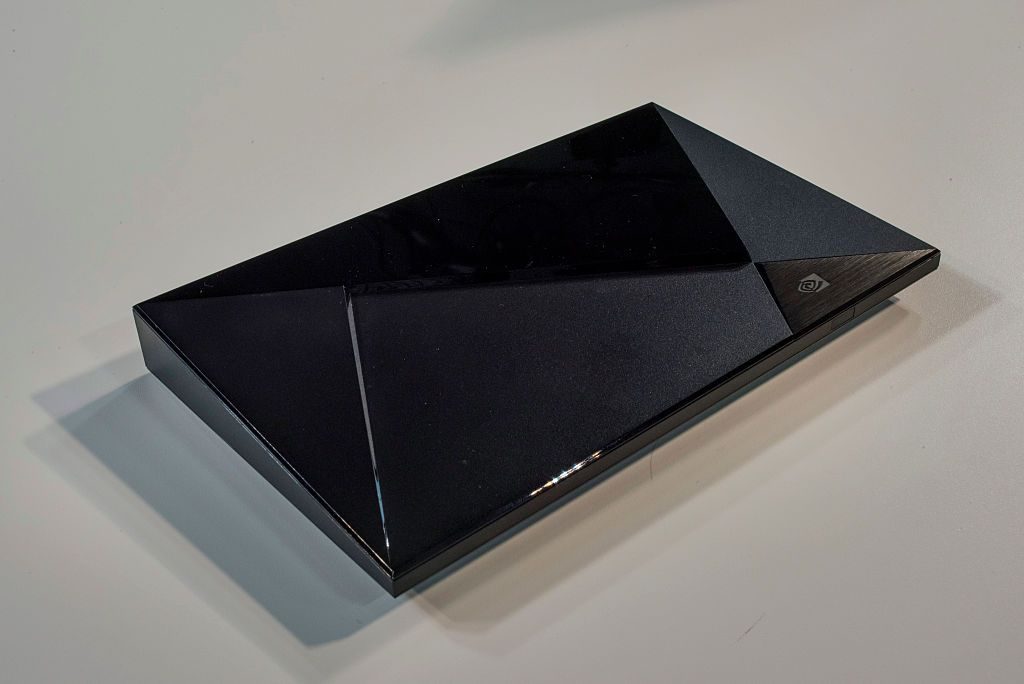
The landscape of consumer electronics is undergoing a seismic shift, largely orchestrated by the insatiable demand for artificial intelligence. In 2026, a simple yet profound rule governs the market: if a device incorporates memory or storage, expect its price to climb. This phenomenon is now affecting even established products with seemingly dated technology, as evidenced by Nvidia's recent decision to increase the price of its Shield TV Pro streaming device by a substantial $100, effective immediately.
Key Details
- The Nvidia Shield TV Pro, originally launched in 2019, has seen its price jump from $199.99 to $299.99.
- This price hike is attributed by Nvidia to increased component costs, especially for memory, driven by the global AI industry's demand.
- The non-Pro version of the Shield TV has been discontinued.
- Nvidia confirmed the new price of $299.99 for the Shield TV Pro, effective October 2nd.
- The company cited “substantial increases” in component costs across the industry.
- The Shield TV Pro remains a niche product, valued for its advanced features like AI upscaling and extensive codec support.
- Availability has been limited in recent months, likely due to rising manufacturing costs.
- The device is currently out of stock on Nvidia's official store but available at the new price from retailers like Best Buy.
Background
The Nvidia Shield TV Pro, first introduced in 2019, quickly established itself as a premium media streamer. Running on Android TV, it boasted impressive capabilities for its time, including AI-powered upscaling and robust hardware decoding for a wide array of media formats. Despite featuring the then-aging Tegra X1+ processor, its performance remained highly competitive for a dedicated streaming device. The original launch price was $199.99 for the Pro model, with a more affordable $149.99 variant offered for the non-Pro version. While the latter has since been phased out, the Pro model has persisted, albeit now at a significantly higher price point.
Impact Analysis
This $100 price increase represents a 50% jump for the Shield TV Pro, transforming it from a relatively accessible enthusiast device into a more exclusive proposition. For consumers primarily seeking basic streaming services like Netflix, the elevated cost makes alternative, cheaper streaming sticks and boxes far more attractive. The Shield's unique selling points – its comprehensive codec support, powerful Plex server capabilities, and AI upscaling – are features that appeal to a more discerning, technically inclined audience. However, even this dedicated user base may balk at the new price, potentially shrinking the already niche market for the device.
“The cost of components, including memory, has increased substantially across the industry,” a Nvidia spokesperson stated, directly linking the price hike to broader market trends.
Nvidia’s explanation highlights a critical industry-wide challenge. The insatiable appetite of AI development for high-bandwidth memory (HBM) and advanced GPUs has created unprecedented demand and strained supply chains. This has led to price inflation not just for cutting-edge AI hardware but also for the fundamental components like DRAM and NAND flash memory that are essential for virtually all electronic devices.
Broader Context
Nvidia, ironically, is both a beneficiary and a catalyst of these soaring component costs. As a dominant force in the AI hardware market, the company's GPUs and AI accelerators are in extremely high demand, driving its valuation to astronomical levels. This success, however, contributes to the very supply chain pressures affecting its own products, including the Shield TV. This situation is not unique to Nvidia; other major players in the gaming console market, such as Sony, Microsoft, and Nintendo, have also implemented price increases for their current-generation hardware. For instance, the PlayStation 5 Pro reportedly saw its price climb from $699.99 at its 2024 launch to $899.99, illustrating a trend of escalating hardware costs across the board.
Future Outlook
The price hike for the Shield TV Pro signals a potential future where even mature product lines are subject to the economic forces shaping the AI era. While Nvidia claims the Shield is a passion project, it must remain commercially viable. The increased price may make manufacturing more profitable, potentially ensuring continued production and availability. However, it also risks alienating its core customer base and limiting adoption. For consumers, the era of affordable, high-performance streaming devices might be drawing to a close, forcing a re-evaluation of needs versus costs. Cheaper alternatives will likely gain traction, while the Shield TV Pro solidifies its position as a premium, albeit more expensive, option for dedicated enthusiasts.
Conclusion
The Nvidia Shield TV Pro's $100 price increase is a stark reminder of the pervasive impact of the AI revolution on the tech industry. Driven by escalating component costs, particularly for memory, this price adjustment makes a beloved niche product significantly less accessible. While Nvidia points to industry-wide trends, its own central role in the AI boom places it at the nexus of these market dynamics. The future of devices like the Shield TV Pro hinges on balancing the economics of production with the expectations of a consumer base increasingly sensitive to rising prices in an AI-driven world.
Source: wired.com