Samsung Galaxy Z Fold 7 Cuts Size and Weight, Panasonic S1 II Sets High Camera Standards
Introduction
Over the past few weeks, Engadget’s review team has been immersed in testing a diverse range of consumer electronics, spanning foldable smartphones, advanced cameras, soundbars, laptops, and accessories. These evaluations provide valuable insights for potential buyers seeking the latest technology and the best value for their money. This article synthesizes detailed findings from recent reviews, emphasizing key innovations, practical usability, and market positioning of several flagship products.
Key Details
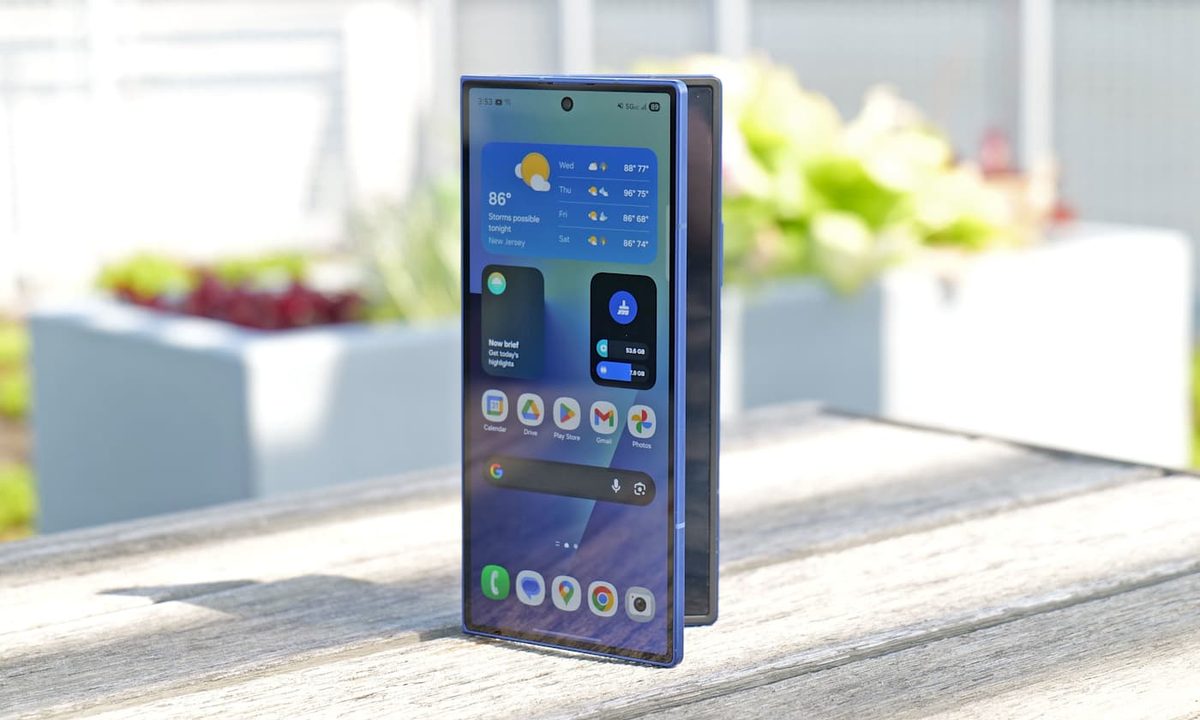
- Samsung Galaxy Z Fold 7: Significant reductions in size and thickness make this foldable phone more accessible.
- Canon EOS R50 V: Strong video autofocus but outperformed by rivals like Sony’s ZV-E10 II.
- Samsung HW-QS700F Soundbar: Innovative automatic orientation adjustment enhances listening experience.
- Panasonic S1 II Camera: Offers 6K RAW video and superior stabilization but priced steeply at around $3,200.
- Dell 16 Plus 2-in-1 Laptop: Solid performance but lacking distinctive features or personality.
- Belkin Charging Case for Nintendo Switch 2: Practical and affordable, though limited in non-charging options.
Background
Foldable smartphones have been a niche product category challenged by bulkiness and cost, limiting their mass adoption. Samsung has been at the forefront, iterating on their Fold series since its inception. The Galaxy Z Fold 7 aims to break down remaining barriers by trimming down its physical footprint, appealing to a broader demographic.
Meanwhile, the content creation market has expanded rapidly, driving demand for versatile and affordable cameras that outperform smartphone capabilities. Canon’s EOS R50 V and Panasonic’s S1 II each target creators but occupy different price and feature tiers. Canon’s model is geared toward beginners with decent video quality, while Panasonic’s offering is a professional-grade hybrid emphasizing video prowess.
In home entertainment, soundbars continue to evolve with smarter features that adapt to user environments. The Samsung HW-QS700F distinguishes itself with an automatic sound orientation feature, a rarity in its price and channel class.
The laptop market remains competitive, with Dell’s 16 Plus 2-in-1 representing a reliable but unremarkable option for consumers seeking a convertible device. Accessories like Belkin’s charging case for Nintendo Switch 2 respond to the needs for protection and extended playtime in the gaming community.
Impact Analysis
The Galaxy Z Fold 7’s design improvements could significantly increase foldable phone adoption rates. By addressing size and weight concerns, Samsung lowers the entry barrier, potentially expanding the foldable market beyond early adopters to mainstream users.
The Canon EOS R50 V provides an accessible gateway for vloggers needing better quality than smartphones, but its limitations compared to competitors may push buyers towards alternatives like Sony’s ZV-E10 II. This highlights the competitive intensity in affordable content creation cameras and pressures brands to innovate at lower price points.
Samsung’s HW-QS700F soundbar’s automatic orientation adjustment contributes to user convenience, enhancing immersive audio experiences without manual setup. Such features improve the value proposition of mid-tier soundbars, encouraging broader consumer interest in quality home audio solutions.
Panasonic’s S1 II, despite its impressive technical capabilities like 6K RAW video and top-tier stabilization, faces challenges due to its high price tag. Its recommendation is balanced against Nikon’s Z6 III, which provides similar video features at a lower cost, underlining the importance of pricing strategies in professional camera segments.
Dell’s 16 Plus 2-in-1, while technically competent, struggles to differentiate itself in a crowded laptop market where users often seek devices with unique features or strong brand identity. This could affect its appeal among discerning buyers.
Belkin’s charging case for Nintendo Switch 2 is praised for its practicality and price but limited in options for users who prefer non-charging protection cases. This niche could be further explored by manufacturers to address diverse user preferences.
Broader Context
The technology industry is at a crossroads where iterative innovations must increasingly translate into tangible user benefits. Samsung’s approach with the Galaxy Z Fold 7 exemplifies this by making foldables more user-friendly rather than just technologically advanced. Similarly, in content creation, the push for better video tools accessible to a wider audience fuels competition between camera makers.
Soundbar manufacturers focus on intelligent features that simplify user experience, reflecting broader trends in smart home integration and automation. Laptop makers face pressure to balance performance with personality and innovation, as consumer expectations evolve rapidly. Meanwhile, gaming accessories respond to heightened demand for convenience and enhanced playtime.
Future Outlook
Samsung’s Galaxy Z Fold 7 sets a precedent that future foldable devices will likely follow, emphasizing ergonomics and everyday usability. We can expect continued advancements in foldable screen technology, battery efficiency, and software optimization to support this trend.
Camera manufacturers will continue to refine hybrid devices that cater to both photography and videography needs, with price competitiveness becoming increasingly crucial. The rise of social media and online content will keep demand strong for versatile, high-quality yet affordable cameras.
Home entertainment tech will embrace more adaptive and AI-driven features, making devices like soundbars smarter and more intuitive. Laptops may see innovations targeting niche user experiences to regain excitement in a saturated market.
For gaming accessories, customization and modular solutions could be a focus, catering to diverse preferences for battery life, protection, and portability.
Conclusion
The recent batch of reviewed products underscores the intersection of incremental innovation and user-centric design. Samsung’s Galaxy Z Fold 7 exemplifies a meaningful leap in foldable phone usability, while Panasonic’s S1 II pushes technical boundaries at a premium price. Other devices like Canon’s R50 V, Samsung’s QS700F soundbar, Dell’s 16 Plus 2-in-1, and Belkin’s Switch 2 case illustrate the ongoing evolution across consumer tech categories, balancing performance, affordability, and practicality.
Sam Rutherford summarized the Galaxy Z Fold 7 as "foldable phone nirvana," emphasizing Samsung's success in addressing size and weight constraints that hindered earlier models.
As consumer expectations rise, manufacturers must blend innovation with value, ensuring that technological advances translate into accessible and meaningful improvements for users across the spectrum.