David Ellison's $111 Billion Hollywood Merger: Naming Rights and Strategic Signals
Introduction
The landscape of Hollywood is once again being reshaped by a colossal merger, this time involving David Ellison's Skydance Media and Paramount Global. With the ink barely dry on an $111 billion deal, the newly formed entity faces a significant branding hurdle: what to call this behemoth? The decision is far more than a mere formality; it's a strategic statement that will communicate the new company's identity, priorities, and future direction to Wall Street, the industry, and the public alike. The challenge lies in finding a name that can encapsulate the combined might of two storied studios while also signaling a forward-looking vision in an increasingly competitive media environment.
Key Details
- Merger Value: $111 billion.
- Entities Involved: Skydance Media and Paramount Global (including Warner Bros. assets).
- Naming Dilemma: The new parent company's name has yet to be revealed. Potential internal monikers like "WarnerMount" or "ParaBros" highlight the complexity.
- Regulatory Scrutiny: California Attorney General Rob Bonta has issued a consent decree, requiring careful consideration of the name's optics to avoid perceptions of monopoly.
- Stock Ticker: Currently trades as PSKY on Nasdaq, with plans to move to the NYSE under a new symbol, as SKY is already taken.
Background
The allure of consolidation in Hollywood is a tale as old as the industry itself. From the Marx Brothers' comically verbose "International Amalgamated Consolidated Affiliated World Wide Film Productions Company Incorporated, of North Dakota" in 1933 to modern-day megadeals, the desire to build empires has been a constant. This latest merger, however, presents a unique set of challenges. The sheer scale, combining the legacy of Paramount Pictures and Warner Bros., necessitates a name that respects both histories while forging a new identity. Paramount, with its iconic mountain logo and a legacy including The Godfather and Forrest Gump, evokes classic Hollywood quality. Warner Bros., home to Casablanca and countless other classics, has weathered numerous corporate storms, from its merger with Time Inc. to the disastrous AOL acquisition and AT&T's subsequent ownership. David Zaslav's stewardship of Warner Bros. Discovery saw an emphasis on including the Discovery brand, a move some viewed as ego-driven, despite the core assets residing with Warner Bros.
Impact Analysis
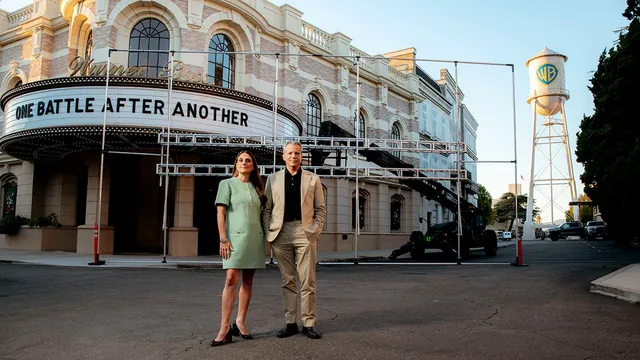
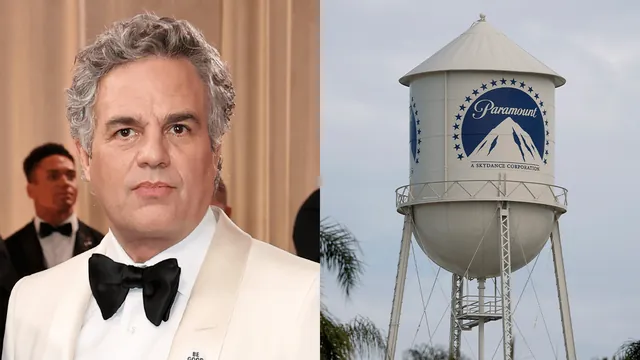
The name chosen for this new entity will serve as a powerful signal. Does Ellison prioritize the established prestige of brands like Paramount and Warner Bros., suggesting a strategy rooted in traditional filmmaking and legacy content? Or does he aim to signal a pivot towards the future, emphasizing innovation and a direct challenge to tech giants in the attention economy, as his rhetoric about taking on tech titans might suggest? The inclusion of Skydance in the branding, as seen in the initial "Paramount Skydance" formal title and the water tower signage, indicates a potential lean towards elevating Ellison's own venture. However, this approach risks downplaying the iconic status of the acquired studios, a move that could alienate both industry veterans and long-time fans. The precedent set by Shari Redstone rebranding ViacomCBS to Paramount Global, leveraging the strength of the Paramount name, offers a contrasting model.
Broader Context
In an era dominated by streaming wars and the relentless pursuit of eyeballs, the naming of this new studio is particularly significant. The recent history of Warner Bros. Discovery, with its internal debates over the streamer's name (HBO Max versus Max), underscores the sensitivity around brand identity. The ultimate decision to lean into the HBO name, despite concerns about diluting its brand equity, highlights the power of established, quality-signaling names. For Ellison, choosing a name that reflects a forward-looking strategy, perhaps akin to taking on tech giants, could be appealing. However, ignoring the immense brand equity of Paramount and Warner Bros. could be a strategic misstep. The regulatory environment, with the California AG's consent decree, adds another layer of complexity, demanding that the new entity not appear to be a monopolistic force.
Future Outlook
The decision on the name will likely dictate the perceived strategic direction of the merged company. If Ellison opts for a name that prominently features Skydance, it could signal a focus on his own established brand and a potential de-emphasis on the legacy studios. This approach, while potentially satisfying for Ellison, risks alienating key stakeholders and diminishing the perceived value of the acquired assets. Conversely, embracing a name that incorporates or heavily references Paramount or Warner Bros. would signal a commitment to Hollywood's heritage and its enduring appeal. The path chosen will inevitably shape how the industry and audiences perceive the new studio's ambitions, whether they are rooted in preserving cinematic history or forging a new path in the digital age. The stock ticker PSKY and the potential move to NYSE under a new symbol further complicate the branding narrative.
Conclusion
David Ellison stands at a critical juncture, tasked with christening a media empire valued at $111 billion. The name chosen for this merged entity, combining the formidable legacies of Paramount and Warner Bros. under the Skydance umbrella, will be a potent symbol of its strategic intent. Will it lean into the hallowed halls of classic Hollywood, or will it boldly stride into the future, challenging the tech giants? The decision carries immense weight, influencing industry perception, investor confidence, and audience engagement. The shadow of past naming fumbles, like the HBO Max/Max saga, looms large, reminding Ellison of the power and peril inherent in branding. Ultimately, the name will be the first chapter in the story of this new Hollywood titan, setting the tone for its ambitions and its place in the evolving media landscape.
Source: hollywoodreporter.com