Santa Fe Film Festival Flourishes as Hub for Indigenous and International Cinema, Securing Oscar-Qualifying Status
Introduction
Nestled in the "Land of Enchantment," Santa Fe has long been a magnet for creative minds, from artists like Georgia O’Keeffe to writers like Cormac McCarthy. Actor Gary Farmer, a founding member of the Santa Fe International Film Festival (SFiFF), notes its unique draw. Established in 2009 by Farmer, artistic director Jacques Paisner, and executive director Liesette Bailey, SFiFF has evolved dramatically from its early focus on "alternative" film. Today, it stands as a vital platform for Indigenous voices and a significant destination for international cinema, attracting over 7,000 submissions and programming around 70 features and 100 shorts annually, drawing 15,000 visitors to the city.
Key Details
- Growth and Scale: SFiFF now receives over 7,000 submissions, programming approximately 70 features and 100 shorts, attracting 15,000 annual visitors.
- Oscar Qualification: The festival became Oscar-qualifying for narrative, live-action, and animated shorts in 2024, a significant milestone.
- Recent Success: Last season, 13 films screened at SFiFF received Oscar nominations, a substantial increase from previous years.
- Identity Shift: In 2022, the festival rebranded from the Santa Fe Independent Film Festival to the Santa Fe International Film Festival, reflecting a growing international focus.
- Indigenous Focus: The festival has a dedicated Indigenous Film Program, curated by Gary Farmer, showcasing global Indigenous filmmakers.
- Key Figures: Advisory board members include Gary Farmer, Kirk Ellis, Chris Eyre, and Wes Studi. Notable honorees include Zahn McClarnon and Pam Grier.
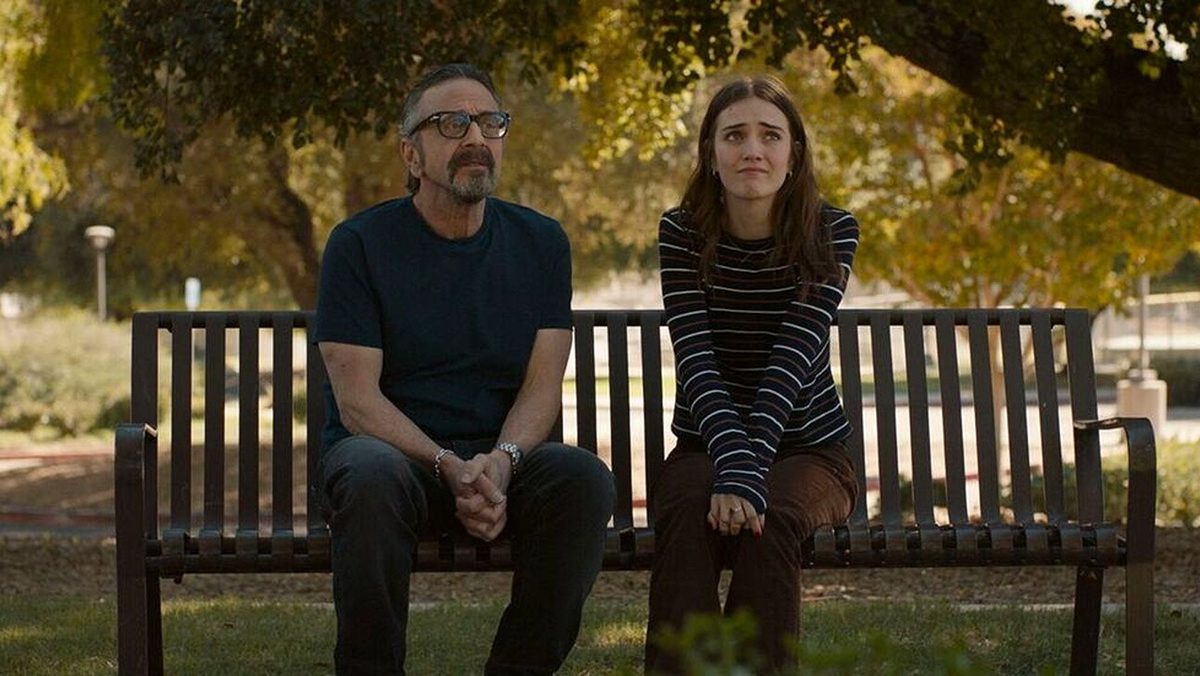
- Programming Highlights: This year's festival features films like Cristian Mungiu’s Fjord, Lee Chang-dong’s Possible Love, Martin McDonagh’s Wild Horse Nine, and Alex Gibney’s Musk. The opening film is In Memoriam, starring Marc Maron, and the closing film is James Gray’s Paper Tiger.
Background
The transformation of SFiFF into an international cinema hub was a deliberate evolution. Artistic director Jacques Paisner observed a growing trend in submissions: by 2014, international films outnumbered U.S. independent films, a pattern that intensified by 2021. This shift coincided with a strategic decision to embrace international cinema more fully. Gary Farmer notes this move also filled a niche, particularly as other festivals like Telluride shifted their focus. This rebranding and refocusing allowed SFiFF to capitalize on an audience eager for diverse and challenging cinematic experiences, proving that "strange movies" can be as popular as mainstream offerings.
Impact Analysis
SFiFF's achievement of Oscar-qualifying status for shorts is a testament to its growing prestige and programming quality. The fact that 13 films screened at the festival went on to receive Oscar nominations in the last season underscores its role as a launchpad for award-contending cinema. This success not only elevates the festival's profile but also attracts more filmmakers and industry professionals to Santa Fe. Paisner highlights how filmmakers who attend the festival sometimes decide to relocate, enriching the local production community and further strengthening the festival's ties to the industry. This creates a virtuous cycle, where the festival provides a platform for local talent and attracts new talent, fostering a vibrant cinematic ecosystem.
“We’ve got an audience that’s really hungry to see new films and international films,” Paisner says. “So when I see something in Cannes like Fjord, I’m thinking, ‘OK, they are going to go crazy over this,’ because it’s an audience that really wants to be challenged, that wants to see something different, that will line up for a big Hollywood movie. But sometimes the strange movie that’s playing up against it will be just as popular or nearly as popular. And that’s why it’s the Santa Fe International Film Festival.”
Broader Context
The festival's strong emphasis on Indigenous cinema aligns with a broader cultural movement recognizing and amplifying underrepresented voices. Gary Farmer, a member of the Cayuga Nation, has been instrumental in developing SFiFF's Indigenous Film Program since its inception. This program, supported by the Institute of American Indian Arts, showcases Indigenous filmmakers from around the world, fostering a global dialogue. The inclusion of films like Ceremony, Sila, Remigia’s Lessons, and Mirumiru highlights the diversity of Indigenous storytelling. Furthermore, the festival honors figures like Lily Gladstone, the first Native American woman nominated for a Best Actress Oscar, and Zahn McClarnon, a prominent actor in Indigenous-led productions like Reservation Dogs and Dark Winds. The upcoming tribute to Pam Grier, a trailblazer for Black actresses, further cements the festival's commitment to celebrating cinematic pioneers and diverse narratives.
Future Outlook
With its Oscar-qualifying status and a proven track record of showcasing award-worthy films, SFiFF is poised for continued growth. The festival's ability to attract both established international cinema and emerging Indigenous talent suggests a bright future. The influx of filmmakers choosing to live and work in Santa Fe, drawn by the festival and the region's creative atmosphere, will likely further solidify its position. As actor Marc Maron observes, in an era dominated by "churn and AI slop," spaces like SFiFF that offer quieter, more contemplative cinematic experiences are increasingly valuable and "radical." The festival's commitment to challenging its audience and championing diverse stories ensures its relevance and growing importance in the global film landscape.
Conclusion
The Santa Fe Film Festival has successfully navigated a significant evolution, transforming itself from a local independent film showcase into a globally recognized platform for international and Indigenous cinema. Its recent milestones, including Oscar-qualifying status and a strong showing in award nominations, highlight its growing influence. By fostering a unique blend of challenging international works, vital Indigenous narratives, and a welcoming environment for filmmakers, SFiFF continues to embody the spirit of Santa Fe as a true "land of enchantment" for cinema, offering a crucial space for diverse stories to be seen, heard, and celebrated.
Source: hollywoodreporter.com