Yen Strengthens Amid Political Uncertainty as PM Ishiba Faces Upper House Setback
Yen Strengthens Amid Political Uncertainty as PM Ishiba Faces Upper House Setback
Introduction
On July 20, 2025, the Japanese yen experienced notable gains against major currencies as the country’s ruling Liberal Democratic Party (LDP) faced a significant setback in the upper house elections. Prime Minister Shigeru Ishiba, who also serves as the president of the LDP, is now confronting increased political challenges after preliminary exit polls indicated that the ruling coalition might lose its majority in the House of Councillors. This development adds a layer of complexity to Japan's domestic political landscape and has implications for financial markets both in Japan and globally.
Key Details
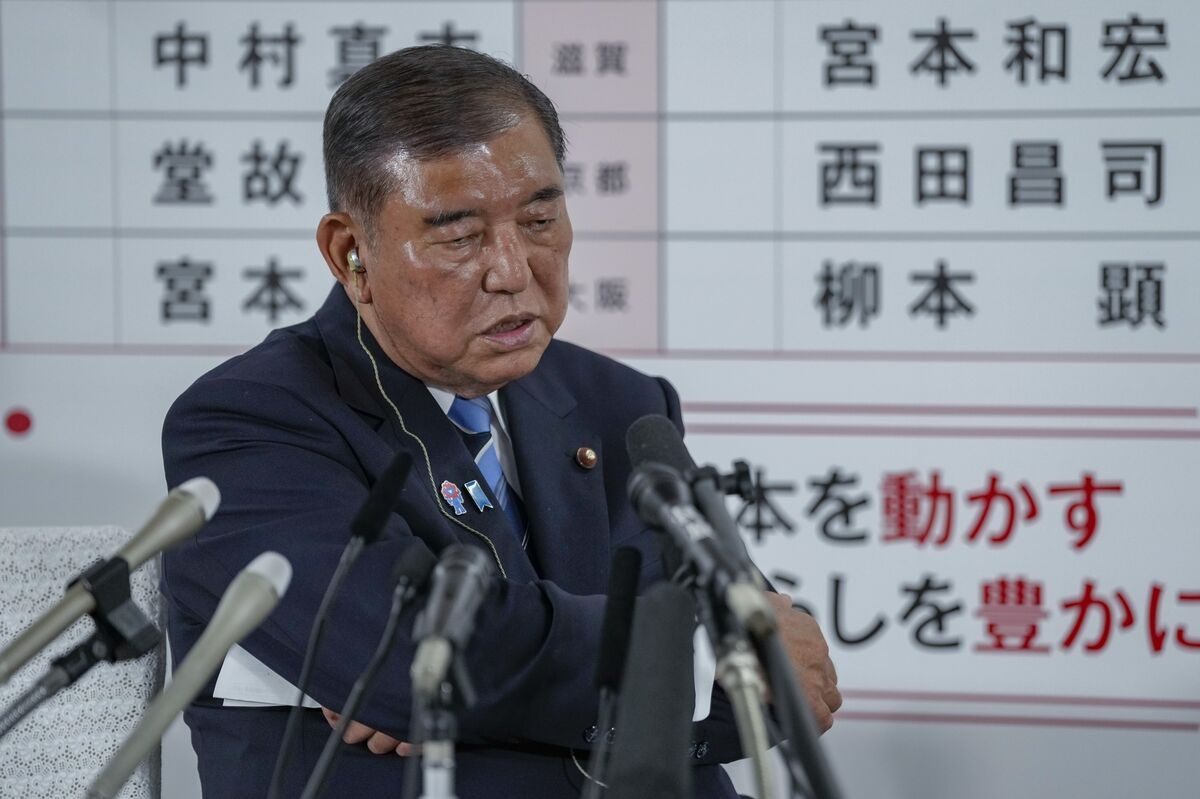
- Prime Minister Shigeru Ishiba addressed party members at the LDP headquarters in Tokyo following the election results.
- Exit polls suggested the ruling coalition is likely to lose its majority in the upper house.
- The upper house election results could weaken Ishiba’s leadership within the party and government.
- Financial markets responded with increased yen demand, reflecting investor caution amid political uncertainty.
- The election outcome introduces potential hurdles for the government’s legislative agenda.
Background
Japan’s political system is characterized by a bicameral legislature, consisting of the House of Representatives (lower house) and the House of Councillors (upper house). Control of both houses is crucial for the ruling coalition to pass legislation smoothly. The Liberal Democratic Party has been the dominant force in Japanese politics for decades, often relying on a coalition with smaller parties to maintain a working majority.
Prime Minister Ishiba, who took office amid several domestic and international challenges, including economic stagnation and regional security issues, has sought to strengthen Japan’s economic policies while navigating evolving geopolitical tensions in East Asia. The upper house election is viewed as a critical test of his administration’s popularity and ability to govern effectively.
Analysis
The possibility of losing the upper house majority signals a troubling period for Prime Minister Ishiba. Without a clear majority, passing key reforms—such as economic stimulus measures, defense spending increases, and social welfare initiatives—will become more complicated. This situation may lead to increased political gridlock and even calls for leadership change within the LDP.
Financial markets often react sensitively to political instability in major economies. The yen’s appreciation following the election results can be attributed to investors seeking a safe haven amid uncertainty. Historically, the yen is considered a stable currency during times of global or domestic turmoil due to Japan's substantial foreign reserves and strong current account surplus.
Moreover, this election outcome reverberates beyond Japan’s borders. The country plays a vital role in the global economy as the world’s third-largest economy and a key player in regional security dynamics. Prolonged political uncertainty could affect foreign investment, trade relations, and Japan’s strategic positioning, especially amid ongoing tensions in the Indo-Pacific region.
Conclusion
Japan’s recent upper house election results mark a critical juncture for Prime Minister Ishiba and the ruling coalition. With the possibility of losing their majority, the government faces heightened challenges in executing its policy agenda. The yen’s strengthening reflects market concerns over political stability and underscores Japan’s importance in global financial systems. Moving forward, Ishiba’s ability to navigate the political landscape and maintain party cohesion will be crucial for Japan’s economic and political future.