Common Medications Alter Gut Microbiome for Years Post-Treatment, Study Reveals
Introduction
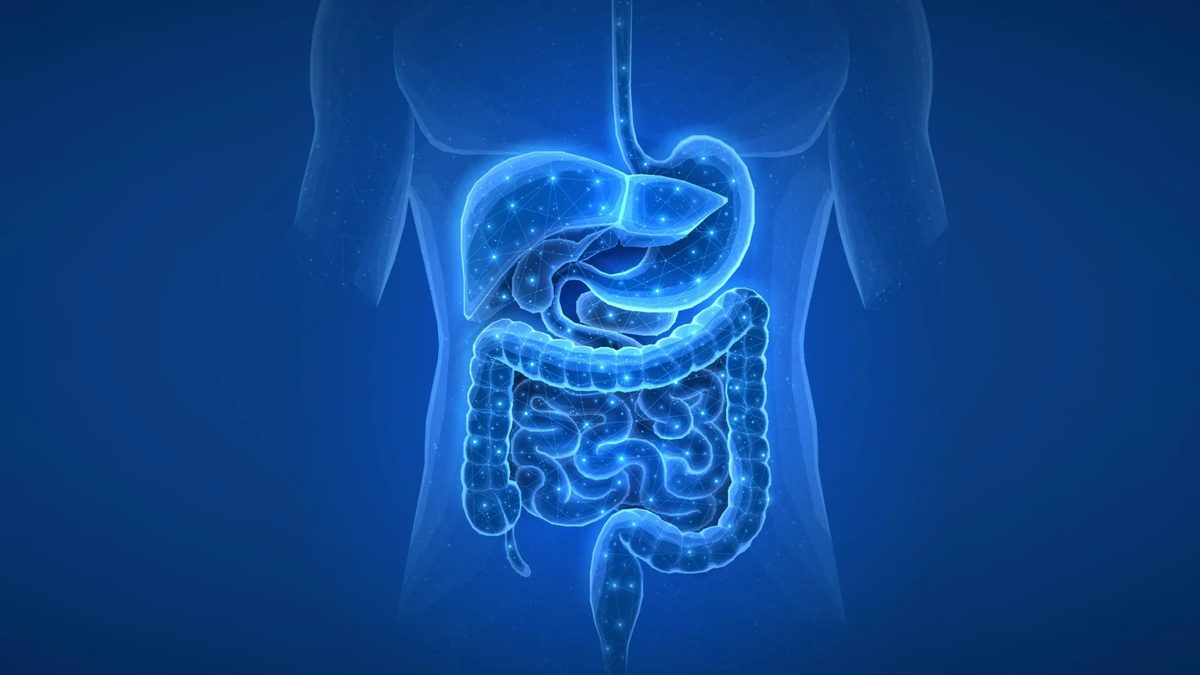
The intricate ecosystem within our digestive tract, known as the gut microbiome, plays a crucial role in overall health, influencing everything from digestion and metabolism to immune function. While diet and lifestyle are recognized as major shapers of this microbial community, a groundbreaking study from the University of Tartu Institute of Genomics in Estonia suggests that common medications may leave a far more enduring imprint than previously understood. Published in mSystems, the research indicates that the effects of many frequently prescribed drugs on the gut microbiome can persist for years after the last dose is taken, fundamentally altering the microbial landscape individuals carry.
Key Details
- The study analyzed stool samples and prescription records from over 2,500 participants in the Estonian Biobank.
- Researchers found that a wide range of medications, not just antibiotics, were associated with lasting changes in gut microbial composition.
- These persistent effects were linked to common drugs including antidepressants, beta-blockers, proton pump inhibitors (acid reducers), and benzodiazepines (anxiety medications).
- For a significant number of these drugs, microbial alterations were still detectable years after patients had ceased treatment.
- Benzodiazepines, often used for anxiety, showed surprisingly strong and comparable effects to broad-spectrum antibiotics, which are known for their disruptive impact.
- The study observed that drugs within the same class did not always have uniform effects, suggesting individual drug properties are critical.
- Follow-up analyses on smaller participant groups confirmed predictable microbial shifts corresponding to the initiation or cessation of certain medications, providing causal evidence.
- Persistent effects were confirmed for proton pump inhibitors, SSRIs (antidepressants), and specific antibiotics like penicillins and macrolides.
Background
The gut microbiome is a complex community of trillions of microorganisms, primarily bacteria, residing in the human gut. Its composition is influenced by numerous factors, including genetics, diet, environment, and health status. For a long time, research into microbiome alterations primarily focused on immediate or short-term effects, especially concerning antibiotics, which are well-documented disruptors. However, the long-term consequences of other common pharmacological interventions on this delicate ecosystem remained largely unexplored. This study, led by Dr. Oliver Aasmets and Professor Elin Org, utilized extensive real-world data from the Estonian Biobank, allowing for an unprecedented examination of how past medication use, even years prior, might be shaping the gut microbiome of individuals today.
Impact Analysis
The findings have significant implications for how we understand and research the gut microbiome. The persistence of drug-induced microbial changes challenges the common practice of considering only current medication use when analyzing microbiome data. It suggests that a substantial portion of individual microbiome variability, previously attributed to diet, genetics, or disease, might actually be a consequence of past pharmaceutical treatments. This could mean that individuals who have taken certain medications years ago may harbor a fundamentally different gut microbial community, potentially influencing their susceptibility to various health conditions. The strong effect observed with benzodiazepines, rivalling that of broad-spectrum antibiotics, is particularly noteworthy, indicating that medications targeting the central nervous system can have profound, lasting effects on the gut.
“Most microbiome studies only consider current medications, but our results show that past drug use can be just as important as it is a surprisingly strong factor in explaining individual microbiome differences,” said Dr. Oliver Aasmets, lead author.
Broader Context
This research emerges within a rapidly expanding field of microbiome science, where connections are being drawn between gut health and a vast array of conditions, including inflammatory bowel disease, obesity, mental health disorders, and even neurological diseases. If past medication use is a significant, persistent confounder, it could explain inconsistencies in previous study results and necessitate a re-evaluation of established links. The study also underscores the importance of personalized medicine, suggesting that understanding a patient's full medication history might be crucial for interpreting their unique microbiome profile and tailoring future treatments effectively. The fact that drugs within the same class can have differing impacts further emphasizes the need for granular analysis rather than broad generalizations.
Future Outlook
The Estonian Research Council-funded study opens several avenues for future research. Clinicians and researchers are encouraged to incorporate detailed medication histories into their assessments when evaluating microbiome data. Future studies could focus on identifying specific microbial pathways affected by different drug classes and exploring potential interventions to restore the microbiome after long-term medication use. Understanding the mechanisms by which these drugs induce lasting changes is also critical. Furthermore, longitudinal studies tracking individuals over extended periods, from childhood through adulthood, could provide deeper insights into the cumulative impact of medication exposure on the gut microbiome throughout a lifetime. This could lead to revised guidelines for prescribing certain medications or developing strategies to mitigate their long-term microbial consequences.
Conclusion
This comprehensive study provides compelling evidence that common medications, beyond antibiotics, can induce lasting alterations in the gut microbiome, persisting for years after treatment cessation. The findings, derived from a large-scale analysis of real-world data, necessitate a paradigm shift in microbiome research, urging scientists and clinicians to consider past drug use as a critical factor in interpreting microbial profiles. By acknowledging this hidden confounder, researchers can achieve more accurate insights into the complex interplay between the gut microbiome, health, and disease, paving the way for more informed clinical practice and therapeutic strategies.
Source: sciencedaily.com