Canine Detectives: Dogs Trained to Sniff Out Devastating Pests
Introduction
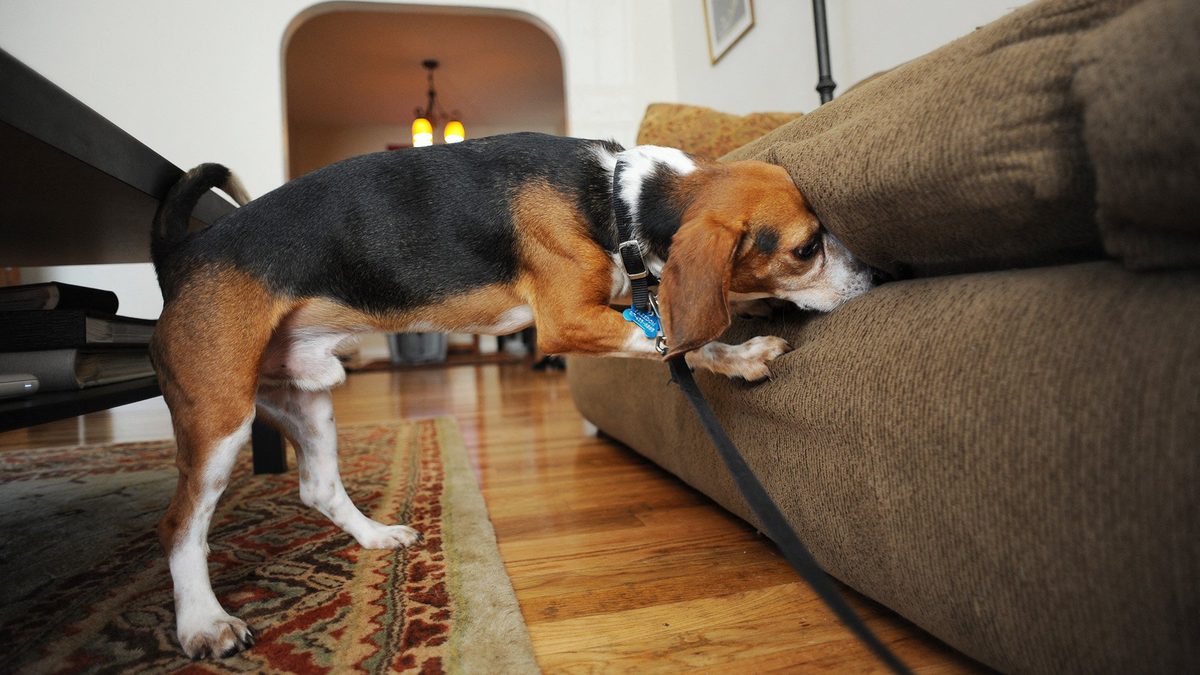
In an era where invasive species pose a significant threat to agriculture and public health, a unique institution is turning to man's best friend for a solution. The Penn Vet Working Dog Center, founded by veterinarian Dr. Cynthia Otto, is at the forefront of training dogs to detect a wide array of pests, from destructive insects like the spotted lanternfly to the elusive bed bug. These highly trained canines are proving to be an invaluable asset, offering a more accurate and efficient method for pest detection than traditional human-led surveys.
Key Details
- Specialized Training: Dogs are trained to associate specific target odors with rewards, starting with synthetic scents before progressing to real pest targets.
- High Accuracy Rates: Studies show dogs can detect termites with 96% accuracy and bed bugs with 97.5% success.
- Diverse Applications: Canine detection is being utilized for agricultural pests like spotted lanternflies and citrus diseases, as well as household pests like bed bugs.
- New Frontiers: The center is exploring training dogs to detect the New World screwworm, a devastating parasite that feeds on live tissue.
- Breed Inclusivity: While Labs and shepherds are common, Dr. Otto emphasizes that most breeds can excel in scent work with the right personality and motivation.
Background
The use of dogs for scent detection is not new, but its application to pest control has evolved significantly. The concept gained traction in 1979 with the establishment of TADD (Termite and Ant Detection Dogs) Services Corporation, which employed beagles to find termites and carpenter ants. These pests can cause substantial structural damage to wooden buildings. Research has since validated the efficacy of canine detection, with studies demonstrating high success rates in identifying various pests.
The resurgence of bed bugs in the early 2000s further highlighted the need for effective detection methods. A 2008 study confirmed that trained dogs could distinguish bed bugs from other common household insects with remarkable accuracy. More impressively, these dogs could differentiate between live bed bugs, their eggs, and even their shed skins or feces, a critical distinction for effective eradication efforts.
The Penn Vet Working Dog Center, under Dr. Otto's leadership, has expanded this capability to include agricultural threats. Their work with the spotted lanternfly, an invasive insect that devastates a wide range of plants, is a prime example. Lucky, a German Shepherd trained at the center, became the first dog in the U.S. specifically trained to detect spotted lanternfly eggs, preventing their spread before they hatch.
Impact Analysis
The economic impact of pests like the spotted lanternfly and termites is staggering. These organisms can decimate crops, damage infrastructure, and lead to costly remediation efforts. Traditional detection methods, often relying on visual inspection, can be time-consuming, labor-intensive, and prone to human error, especially when dealing with small or well-camouflaged pests. Dogs, with their vastly superior sense of smell, can cover large areas quickly and identify minute traces of target odors that humans would easily miss.
For instance, the U.S. Department of Agriculture estimates that invasive species cost the nation billions of dollars annually. The ability of dogs to detect pests at an early stage, before an infestation takes hold, can significantly mitigate these economic losses. In the case of the spotted lanternfly, early detection by dogs like Lucky could prevent widespread damage to vineyards, orchards, and forests.
Furthermore, the potential for dogs to detect the New World screwworm presents a critical advancement in animal and agricultural health. This parasite, which feeds on live flesh, can be devastating to livestock. If canine detection proves reliable, it could provide a vital tool for quickly identifying and containing outbreaks, preventing widespread suffering and economic hardship in the agricultural sector.
Broader Context
The use of working dogs in various capacities—from law enforcement and military operations to search and rescue—is well-established. The extension of these capabilities into environmental and agricultural protection reflects a growing understanding of the unique skills dogs possess and a creative application of these talents to address modern challenges. This approach aligns with a broader trend of seeking innovative, non-chemical solutions to complex problems.
The success of programs like the one at Penn Vet also underscores the importance of animal-human collaboration. It highlights how understanding and harnessing the natural abilities of animals can lead to breakthroughs in fields traditionally dominated by human expertise. The training methodology, which focuses on positive reinforcement and understanding canine behavior, also promotes ethical and effective animal handling.
Future Outlook
The work at the Penn Vet Working Dog Center is poised to expand. The ongoing research into detecting the New World screwworm is a critical next step, with the potential to safeguard livestock populations. Dr. Otto and her team are continuously refining their training techniques and exploring new target odors. The possibility of leveraging pet dogs for pest detection, as suggested by preliminary studies from Virginia Tech, also opens up exciting avenues for community-based pest management and early warning systems.
As climate change and global trade continue to facilitate the spread of invasive species, the role of highly trained detection dogs is likely to become even more crucial. These canine operatives represent a sustainable, efficient, and increasingly vital component of our defense against biological threats, offering a unique blend of natural ability and human ingenuity.
Conclusion
The training program at the Penn Vet Working Dog Center demonstrates a remarkable fusion of canine olfaction and human innovation. Dogs like Lucky are not just pets; they are highly effective agents in the fight against agricultural and household pests. Their ability to detect threats with exceptional accuracy and speed offers a powerful new strategy for safeguarding our environment, economy, and health. As research progresses and new applications emerge, these scent-detecting dogs are set to play an ever-increasingly important role in pest management worldwide.
Source: popsci.com