Cancer Surges Among 9/11 Survivors: Aid Triples as Long-Term Health Crisis Emerges
Introduction
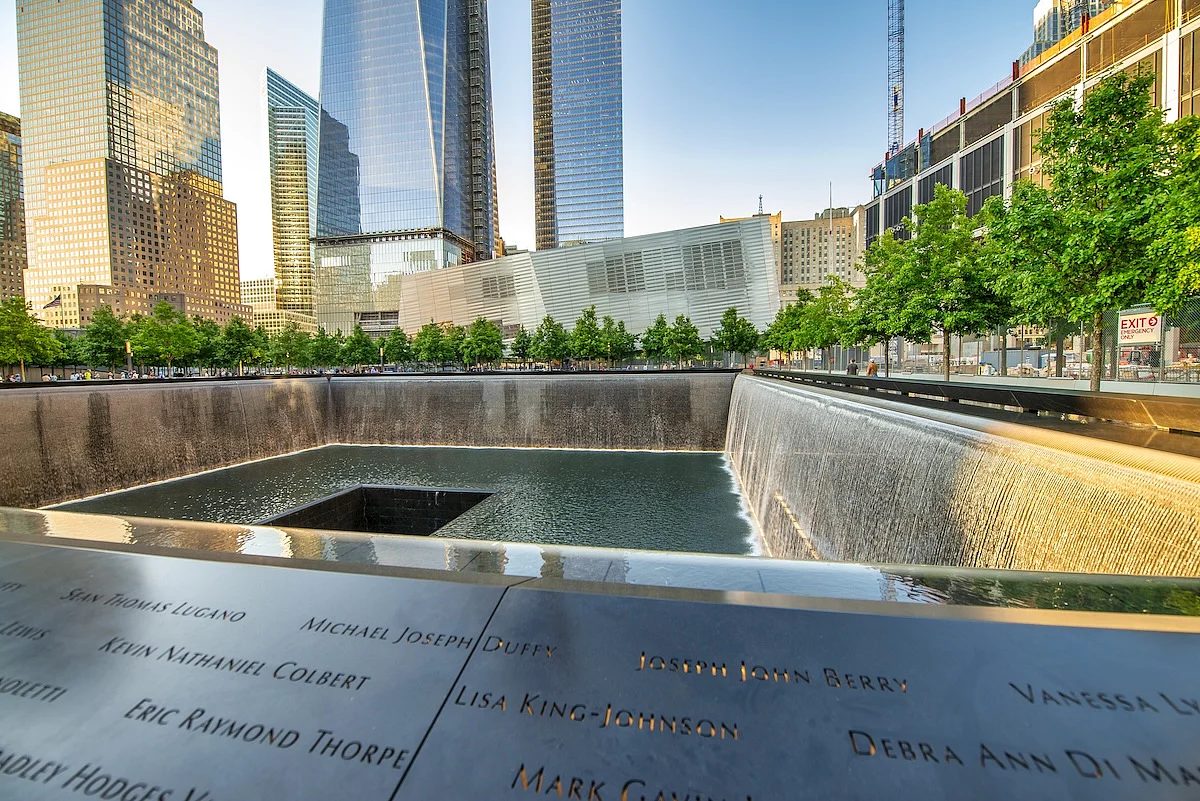
Twenty-five years after the September 11th terrorist attacks, a grim reality is unfolding for those who survived the immediate aftermath. Cancer has emerged as the predominant health crisis for survivors who inhaled the toxic dust and debris from the World Trade Center collapse. This long-term health consequence, once a feared possibility, is now a stark reality, with the number of survivors seeking and receiving aid for cancer treatment having roughly tripled over the past five years, according to a significant analysis of data from the World Trade Center Health Program.
Key Details
- The number of 9/11 survivors receiving aid for cancer treatment has tripled in five years, rising from 8,870 in June 2021 to 27,300 this year.
- Approximately 54,000 survivors are enrolled in the World Trade Center Health Program, with nearly half now undergoing cancer treatment, up from 35% five years ago.
- A New York University study found a 2.5-fold increase in cancer cases among a smaller group of survivors between 2019 and 2024.
- Breast and prostate cancers are the most common, but breast cancers appear about four years earlier than the national average and are often more aggressive.
- Lung cancer is also prevalent, with a notable number of cases among women who never smoked.
- A new CDC initiative aims to track the long-term health of approximately 25,000 children who were exposed to the toxic dust, with funding up to $50 million.
Background
The World Trade Center Health Program was established to provide medical monitoring and treatment for first responders, survivors, residents, students, and office workers who were present near Ground Zero during and after the attacks. Initially, researchers anticipated seeing widespread lung damage due to smoke inhalation. However, the long latency period of many cancers, coupled with the complex and persistent nature of the toxic debris, has led to a different and more devastating health outcome.
The debris that blanketed Lower Manhattan contained a cocktail of hazardous substances, including asbestos, benzene, and other known carcinogens. For months, fires raged, dispersing these particles into the air and settling them into buildings, homes, and personal belongings. This pervasive exposure created a ticking time bomb for many survivors, with cancers developing decades after the initial event.
Impact Analysis
The tripling of cancer aid claims among survivors is a stark indicator of the escalating health crisis. The fact that nearly half of all enrolled survivors are now being treated for cancer underscores the profound and lasting impact of the 9/11 attacks. This surge significantly outpaces the rise in cancer claims filed by first responders, highlighting a distinct and growing challenge for the survivor population.
“This is something that we are worried about. We're seeing more and more patients.”
Dr. Alan Arslan, an associate professor of population health at NYU and a co-author of a recent study on the matter, expressed deep concern over the increasing number of cases. The data suggests that the toxic exposure is not only causing cancer but is also leading to earlier diagnoses, particularly in cases of breast cancer, which appear approximately four years sooner than the national average. Furthermore, a higher proportion of these breast cancers are aggressive forms, demanding more intensive and challenging treatment regimens.
The prevalence of lung cancer, including among non-smoking women, is another alarming trend. Dr. Raja Flores, chairman of thoracic surgery at the Icahn School of Medicine at Mount Sinai, noted the increasing number of 9/11 survivors he is treating for lung cancer. He cautioned that the latency period for these diseases can be exceptionally long, meaning the peak of these cancer diagnoses may still be years away. This underscores the critical need for ongoing screening and vigilance.
Broader Context
The long-term health consequences of mass casualty events and environmental disasters are well-documented, but the 9/11 attacks presented a unique challenge due to the scale and complexity of the toxic exposure in a densely populated urban environment. Unlike traditional occupational hazards, the exposure for 9/11 survivors was widespread, prolonged, and often unrecognized until symptoms manifested years later.
The emergence of cancer as the leading health threat also highlights the limitations of initial health assessments, which primarily focused on immediate respiratory issues. The insidious nature of carcinogens means that their impact can take decades to become apparent, necessitating continuous, long-term health monitoring and robust support systems for affected populations. The World Trade Center Health Program represents a significant, albeit stretched, effort to address these long-term needs.
Future Outlook
The increasing cancer rates among 9/11 survivors signal a prolonged and evolving public health challenge. Medical professionals anticipate that cancer diagnoses will continue to rise as the latency period for various cancers continues. This necessitates sustained funding and resources for the World Trade Center Health Program to ensure continued access to screening, diagnosis, and treatment for all affected individuals.
A critical, and previously under-tracked, group is the children who were exposed to the toxic dust. Recognizing this gap, the CDC has launched a new initiative with up to $50 million in funding to establish a research center focused on the long-term health outcomes of individuals who were 21 or younger at the time of the attacks. This program, set to begin in July 2027, aims to track thousands of young survivors, providing crucial data on the developmental and long-term cancer risks associated with early-life exposure to carcinogens.
Conclusion
The 25th anniversary of 9/11 serves as a somber reminder of the enduring health legacy of the attacks. Cancer has undeniably become the leading health threat for survivors, a consequence of prolonged exposure to toxic dust. The tripling of aid claims and the rising proportion of survivors undergoing treatment paint a clear picture of an ongoing crisis. Continued support, expanded research, and dedicated health programs are essential to address the needs of this growing population of cancer patients and to understand the full, long-term health impact on those who were present on that fateful day and in the years that followed.
Source: drugs.com