US Pediatrician Battles Devastating Ebola Outbreak, Highlighting Vulnerability of Youngest Victims
Introduction
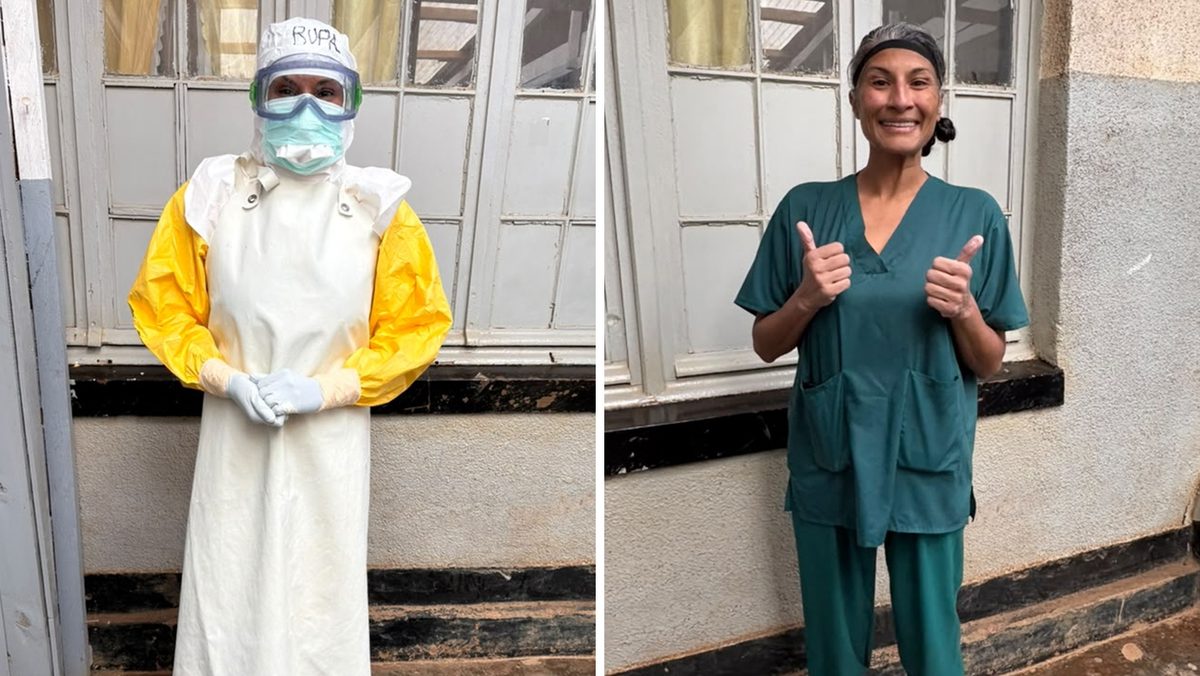
The eastern Democratic Republic of Congo (DRC) is grappling with one of the most severe Ebola outbreaks on record, a crisis that has particularly devastating consequences for its youngest and most vulnerable populations. Dr. Rupa Narra, a U.S. pediatrician working with Doctors Without Borders, shares a firsthand account of the immense challenges and emotional toll of treating children infected with the Bundibugyo strain of the virus. Her experiences paint a stark picture of a fragile healthcare system pushed to its limits, where even basic supportive care is a struggle, and the lack of specific treatments for children amplifies the tragedy.
Key Details
- The current Ebola outbreak in the DRC has resulted in at least 6,800 confirmed cases and over 3,310 deaths since May.
- Children, while representing 1 in 4 confirmed cases, account for 1 in 3 overall deaths, indicating a significantly higher mortality rate among pediatric patients.
- The Bundibugyo strain of ebolavirus, driving this outbreak, has no approved antiviral medication or vaccine, making treatment primarily supportive.
- The death rate for adults is approximately 30% within two weeks of diagnosis; for children, especially newborns, the virus is often fatal.
- Dr. Narra's treatment unit in Butembo, with 30 beds, is consistently full, with confirmed cases sometimes occupying beds initially designated for those awaiting test results.
- Supportive care includes intravenous fluids, oxygen, blood transfusions, and management of hypothermia, fever, and secondary infections.
- Dr. Narra is also involved in training local Congolese healthcare staff on pediatric and newborn Ebola care.
- The emotional burden on healthcare workers is immense, shifting focus from saving lives to minimizing suffering and ensuring dignified care.
- A poignant case involved a newborn whose mother died of Ebola; the baby was cared for by an Ebola survivor who volunteered to be her caregiver, though the infant ultimately succumbed to the virus.
Background
The current Ebola outbreak is occurring in a region already burdened by a severely strained healthcare infrastructure, compounded by ongoing armed conflict. The eastern DRC is a volatile area where clashes between the Congolese army and paramilitary groups have displaced numerous families, forcing them into densely populated urban centers like Butembo. This influx of displaced populations places additional pressure on limited medical resources. Furthermore, the region frequently contends with other health crises, including malnutrition and outbreaks of diseases like malaria and measles. Decades of underfunding, compounded by recent cuts to foreign aid, have crippled routine healthcare services, including vaccination programs, leaving the population more susceptible to infectious diseases.
Impact Analysis
The impact of this outbreak on children is particularly devastating due to their underdeveloped immune systems and the absence of specific antiviral treatments for the Bundibugyo strain. While adults have a mortality rate of around 30%, the fatality rate for children is significantly higher, with newborns facing almost certain death if infected. Dr. Narra's description of the unit being full, with confirmed cases occupying quarantine beds, underscores the overwhelming scale of the epidemic. The lack of immunity among the general population and the risks associated with personal protective equipment limit the duration and intensity of direct contact healthcare workers can have with patients, adding to the emotional distress. The inability to provide comforting physical contact—holding hands, picking up children—profoundly affects both the patients and the caregivers.
“I had to change my mindset, that we were going to save kids. Now, it's — we're going to minimize suffering, and we're going to let the Congolese staff know that they did everything they could to save that baby's life.”
Broader Context
Dr. Narra’s experience is set against a backdrop of global health challenges and the persistent threat of infectious diseases in under-resourced regions. Her previous work during the 2014 West Africa Ebola outbreak, and her experience treating patients during the COVID-19 pandemic in Brooklyn, highlights her dedication to frontline healthcare in crisis zones. This outbreak in the DRC is complicated by its location in a conflict-ridden area, which impedes response efforts, hinders access to care, and fuels misinformation. The international community's response, while present, faces immense logistical and security challenges in reaching those most in need. The situation underscores the interconnectedness of health, security, and development, where conflict directly undermines public health initiatives.
Future Outlook
The future outlook for containing this Ebola outbreak remains precarious. The high transmission rate, coupled with the ongoing conflict and a fragile healthcare system, presents significant obstacles. Efforts to scale up treatment capacity and implement preventive measures, such as vaccination campaigns (where available for specific strains and populations), are crucial but challenging in the affected areas. The long-term recovery will require substantial investment in rebuilding the healthcare infrastructure, addressing the root causes of conflict, and ensuring sustained international support. The lessons learned from this outbreak, particularly concerning the care of pediatric patients and the resilience of local healthcare workers, will be vital for future preparedness and response efforts.
Conclusion
Dr. Rupa Narra's account offers a deeply human perspective on the devastating impact of the Ebola epidemic in the DRC, particularly on children. Her dedication and the efforts of her colleagues highlight the critical need for robust global health security measures, improved healthcare infrastructure in vulnerable regions, and a concerted effort to address the underlying factors, such as conflict, that exacerbate such crises. The bravery of healthcare workers like Dr. Narra, and the resilience of the Congolese people, are testaments to the enduring human spirit in the face of overwhelming adversity. The tragedy underscores the urgent need for continued international commitment to combating Ebola and strengthening health systems worldwide.
Source: npr.org