Butterfly Wing Patterns Create Optical Illusions, Making Them Elusive Prey
Introduction
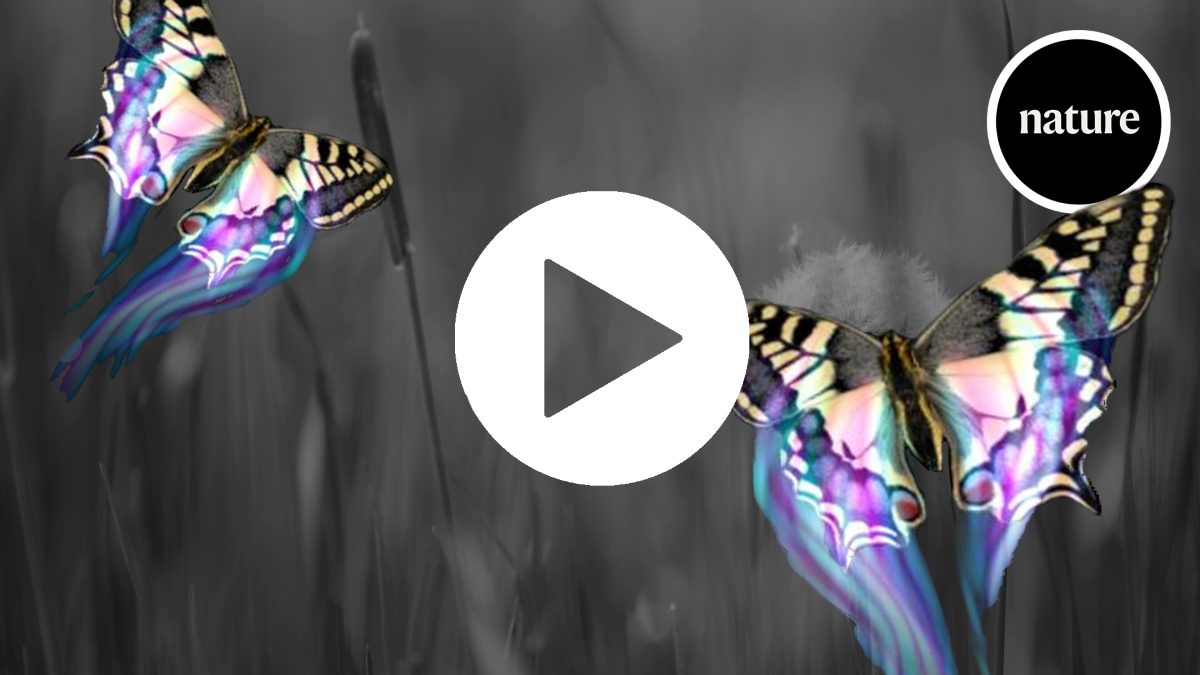
Butterflies, with their vibrant wings and seemingly erratic flight, have long fascinated observers. Their ability to evade capture, however, is not merely a matter of quick reflexes. For years, scientists have pondered the evolutionary advantage behind their elusive nature, especially given the absence of specialized predators dedicated to hunting them in flight. A recent study published in Nature Communications offers a compelling explanation: the intricate patterns on butterfly wings are not just for show, but actively create optical illusions that confuse and deter potential predators.
Key Details
- Butterflies' evasiveness is attributed to optical illusions generated by their wing patterns.
- These patterns exploit how predators perceive motion and form.
- The research involved analyzing butterfly wing designs and simulating predator-prey interactions.
- This mechanism provides a significant survival advantage against visual predators.
- The study was conducted by researchers from the University of Bristol and published in Nature Communications.
Background
Predator-prey dynamics are a cornerstone of evolutionary biology. Animals have developed an astonishing array of defenses, from camouflage and mimicry to speed and armor. For butterflies, their primary defense against aerial predators like birds is their flight. However, the specific mechanisms that make their flight so difficult to predict and intercept have remained somewhat enigmatic. While some theories have focused on the aerodynamic properties of their wings or their unpredictable flight paths, the role of visual deception has been a less explored avenue until now.
Impact Analysis
The findings suggest that butterfly wing patterns function as sophisticated visual disruptors. When a predator, such as a bird, focuses on a butterfly, the complex arrangements of colors, shapes, and lines on its wings can create illusions. These illusions might make the butterfly appear larger, smaller, or even in a different location than it actually is. This visual confusion can cause a predator to misjudge its attack, giving the butterfly crucial milliseconds to escape. This is particularly effective against predators that rely heavily on visual cues to hunt, as many birds do. The study posits that these patterns might create a kind of “motion dazzle,” where the rapid movement of the wings in conjunction with the patterns makes it difficult for the predator’s brain to lock onto a single target or predict its trajectory.
“The patterns on butterfly wings are not merely decorative; they are active participants in a complex visual game of evasion, turning static designs into dynamic tools for survival.”
Broader Context
This research extends beyond just butterflies. The principles of optical illusion and visual disruption observed in butterflies could be a widespread evolutionary strategy. Many animals, from zebras with their stripes to leopards with their spots, exhibit striking patterns. While camouflage and mimicry are well-understood functions for some of these patterns, this new research opens the possibility that disruptive coloration and optical illusions play a more significant role in predator avoidance across the animal kingdom than previously thought. It suggests that evolution has favored not only those animals that can blend in but also those that can actively manipulate the visual perception of their hunters.
Future Outlook
Future research will likely delve deeper into the specific types of optical illusions employed by different butterfly species and how these vary depending on the predator’s visual system. Understanding the precise neurological and perceptual responses triggered by these wing patterns could lead to advancements in biomimicry, potentially inspiring new designs for stealth technology or visual camouflage. Furthermore, this study reinforces the intricate relationship between form and function in nature, highlighting how even seemingly simple biological structures can possess sophisticated, evolved capabilities.
Conclusion
The mystery of the butterfly’s elusive nature is being unraveled, revealing a remarkable evolutionary adaptation. The patterns on their wings act as potent optical illusions, effectively misleading predators and ensuring their survival. This groundbreaking research not only explains a long-standing puzzle in entomology but also broadens our understanding of visual deception as a key survival strategy in the natural world, with potential implications for various fields of science and technology.
Source: nature.com