Apple Wallet Digital Driver's License: Expanding Use Cases and Security Features
Introduction
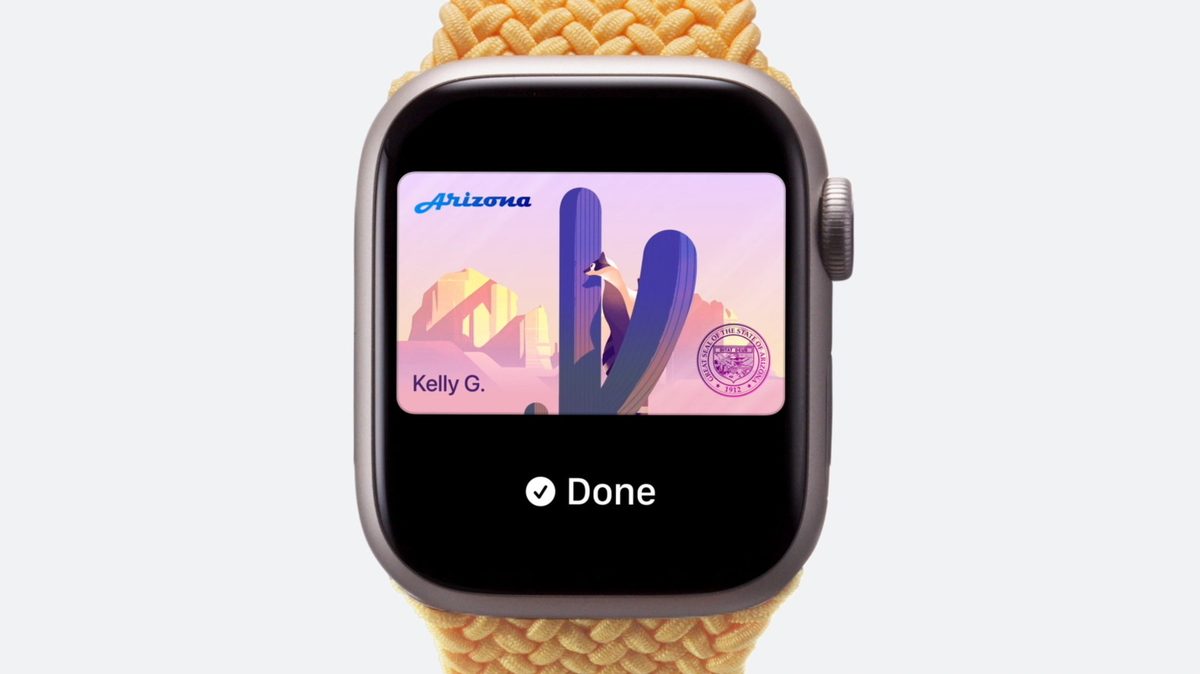
Apple has been steadily integrating more personal identification into its Wallet app, allowing users to store digital versions of their driver's licenses and state IDs alongside payment cards and boarding passes. This feature, initially rolled out several years ago, promises enhanced convenience and security, potentially reducing the need to carry a physical wallet. While the technology is sophisticated, its real-world application is currently confined to a limited number of U.S. states and territories. This article delves into how to add your digital driver's license to Apple Wallet, where it can be used, and the underlying security measures that protect your sensitive information.
Key Details
- Availability: Currently limited to specific U.S. states and Puerto Rico, including Arizona, Arkansas, California, Colorado, Georgia, Hawaii, Illinois, Iowa, Maryland, Montana, New Mexico, North Dakota, Ohio, Oklahoma, Virginia, and West Virginia. North Carolina plans support by early 2027, and Utah is expected to join soon.
- How to Add: Open the Wallet app on iPhone, tap the Plus (+) icon, select "Driver's License and ID Cards," choose your state, and follow on-screen prompts. This involves scanning both sides of your physical license and verifying your identity through a selfie or Live Photo, followed by Touch ID or Face ID authentication.
- Security Features: Digital licenses are encrypted and securely stored on the device. Apple and the issuing authority cannot track when or where your ID is shared. Users can review the data requested by a scanning entity before authenticating with Touch ID or Face ID.
- Usage: Primarily for proving identity or age. Some businesses and venues accept it, but adoption is not yet widespread. Airport security is a potential future use case.
- Transferability: A digital license can only reside on one iPhone or Apple Watch at a time. Transferring to a new device is managed through the Wallet app during the device setup process.
Background
The concept of digital identification has been evolving for years, driven by the increasing reliance on smartphones for daily tasks. Apple's initiative to incorporate driver's licenses into the Wallet app is part of a broader trend towards digitizing essential personal documents. The initial rollout focused on specific states that partnered with Apple to pilot the technology. This phased approach allows for rigorous testing and refinement of the process, ensuring both security and user experience meet high standards before wider deployment. The technology leverages advanced encryption and secure enclave features within Apple devices to protect user data.
Impact Analysis
The primary impact of this feature is convenience. Users can potentially leave their physical wallets at home, carrying essential identification securely on their iPhone or Apple Watch. The enhanced security is also a significant benefit. Unlike a physical card that can be easily lost or stolen, a digital license requires biometric authentication (Face ID or Touch ID) for each use, preventing unauthorized access. Furthermore, the privacy controls allow users to selectively share only the necessary information, such as proof of age, without revealing other personal details. However, the limited availability currently restricts its widespread impact. Until more states and businesses adopt the system, its utility remains niche.
Broader Context
The digital driver's license feature exists within a larger ecosystem of digital identity solutions. Governments and technology companies worldwide are exploring ways to manage digital identities more effectively and securely. Apple's implementation is one of the more advanced consumer-facing applications of this technology. Its success hinges on continued collaboration with state governments and the TSA for potential airport security integration. The expansion of this feature could pave the way for other forms of digital identification, such as professional licenses or even health records, to be securely stored and accessed via mobile devices.
Future Outlook
The future of digital driver's licenses in Apple Wallet looks promising, albeit gradual. As more states join the program and regulatory bodies like the TSA explore its use for airport security, the convenience and security benefits will become more pronounced. The ongoing expansion to states like North Carolina and the anticipated addition of Utah signal a growing acceptance and integration of this technology. Future developments may include broader acceptance by private businesses and venues, making it a truly viable alternative to physical IDs. The key challenge remains achieving critical mass in terms of state participation and user adoption.
Conclusion
Apple's digital driver's license in Wallet represents a significant step towards a more secure and convenient way to manage personal identification. While the feature is currently limited in its geographical reach, the underlying technology offers robust security and privacy protections. As adoption grows and more use cases emerge, particularly in areas like airport security, the digital driver's license is poised to become an indispensable part of the modern digital wallet.
Source: engadget.com