Apple's iOS 26 Beta: A Radical Shift with Liquid Glass Design
Introduction
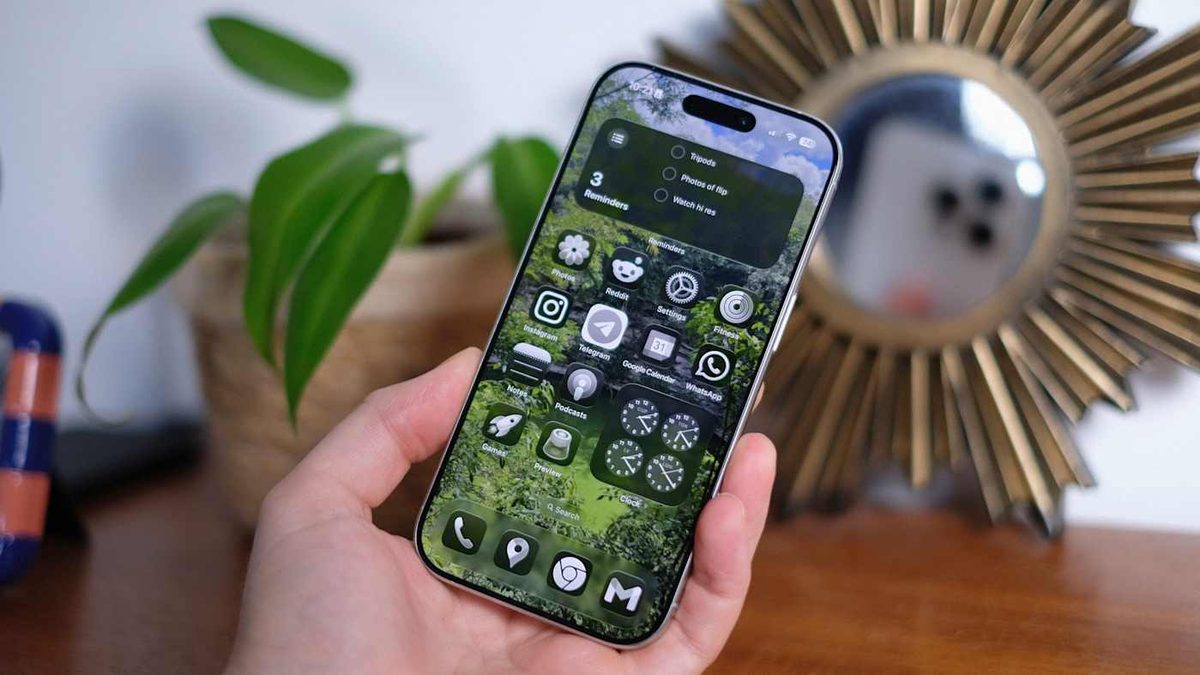
At the recent WWDC 2025, Apple unveiled what could be considered one of the most substantial visual revamps of its iOS operating system to date. The new iOS 26 beta introduces a design ethos dubbed Liquid Glass, which aims to create a modern and fluid user experience. This latest iteration is noted for less focus on AI updates compared to its predecessors, but what it lacks in artificial intelligence, it more than compensates for in aesthetic appeal and functional improvements. After two weeks of testing the developer beta, it is apparent that iOS 26 is forging a new path in the user interface domain.
Key Details
- Liquid Glass Design: Features transparent layers and dynamic animations that respond to user interactions.
- Redesigned Home and Lock Screens: Introduces a skyscraping clock font and a new 3D effect that enriches photo backgrounds.
- Visual Intelligence: Expands functionalities to screenshots, allowing seamless information transfer and identification of objects.
- Camera App Revamp: Simplifies the interface while retaining advanced functionalities for serious photographers.
- New Features in Apple Music: Unveils AutoMix for enhanced music transitions.
- Messages Enhancements: Includes custom backgrounds and improved spam filtering.
Background
The design overhaul with iOS 26 is reminiscent of Apple's previous significant aesthetic shifts, notably the move away from skeuomorphic elements in iOS 4. Liquid Glass seeks to marry modern design with enhanced usability, focusing on transparency and fluidity. The home and lock screens have undergone a transformation that brings a new level of sophistication, characterized by a sleek clock font and enhanced photo integration. However, initial impressions of the beta revealed substantial transparency issues, rendering some interface elements nearly illegible. Subsequent updates have addressed these concerns by refining the opacity of key features, a move that reflects Apple's responsiveness to user feedback.
Impact Analysis
The shift to Liquid Glass not only represents a significant aesthetic improvement but also enhances the overall user experience. For instance, the relocation of the search bar to the bottom of the screen is a welcome adjustment, particularly for users of larger iPhone models who previously struggled to reach the top-positioned search function. Furthermore, the expansion of Visual Intelligence to screenshots introduces an innovative layer of interactivity, allowing users to extract and manage information from their images effortlessly. This capability, while already available in other ecosystems, signifies Apple's intent to catch up with competitors in the AI space, albeit at a slower pace.
Broader Context
As the tech landscape evolves, Apple's decision to prioritize design enhancements over substantial AI advancements raises questions about its competitive edge in the market. While the Liquid Glass design is a bold statement, the absence of significant improvements to Siri and other AI functionalities could hinder user expectations, especially when compared to rival platforms. Google's ongoing advancements in AI and machine learning have set a high standard, and Apple’s current offerings in this realm seem outdated by comparison. However, the enhanced user interface and experience improvements in iOS 26 may serve to bolster user loyalty and satisfaction in other areas.
Future Outlook
Looking ahead, the success of iOS 26 will largely depend on how Apple continues to refine its design and functionalities based on user feedback. The potential for further integration of AI features is vast, and users are likely hoping for Siri improvements in future updates. Moreover, the positive reception of the Liquid Glass design ethos will likely influence future iterations of Apple's software across its ecosystem, promoting a unified design language that resonates with users. As beta testing progresses and user insights are gathered, the final release of iOS 26 may very well strike a balance between aesthetic innovation and functional practicality.
Conclusion
In conclusion, iOS 26 is poised to make a significant impact on how users interact with their devices, offering a fresh visual aesthetic alongside notable usability improvements. While the lack of substantial AI enhancements may be a drawback for some, the focus on design coherence and user experience presents an optimistic outlook for Apple's software ambitions. As we await the final release, the community's response to these changes will undoubtedly shape the future direction of iOS and its place in the competitive smartphone landscape.