FCC Approves $8 Billion Skydance-Paramount Merger with New Speech Guidelines
Introduction
The recent approval by the Federal Communications Commission (FCC) for Skydance's $8 billion acquisition of Paramount, the owner of CBS, marks a significant turning point in the media landscape. This merger comes with stipulations that have stirred controversy: the companies agreed to discontinue their diversity, equity, and inclusion (DEI) programs, while promising to promote a 'diversity of viewpoints' from various political and ideological perspectives. With these changes, the implications for media representation, programming choices, and press freedom are profound.
Key Details
- Skydance’s acquisition of Paramount is valued at $8 billion.
- The merger stipulates the end of DEI programs at CBS.
- Skydance commits to featuring a variety of political viewpoints in programming.
- An ombudsman will be appointed to address complaints of bias for at least two years.
- The decision follows critiques of CBS's alleged anti-conservative bias, including a $16 million settlement related to a lawsuit by former President Trump.
Background
The backdrop of this merger approval involves a heightened scrutiny of media outlets regarding their political biases. The Trump administration had previously criticized CBS for what it described as an anti-conservative lens in its reporting. This led to a noteworthy legal settlement, where CBS agreed to pay $16 million over claims of deceptive editing in coverage of then-candidate Kamala Harris. In response to these pressures, the merger's stipulations appear to be a strategic move to address such allegations of bias while setting a precedent for future media operations.
Impact Analysis
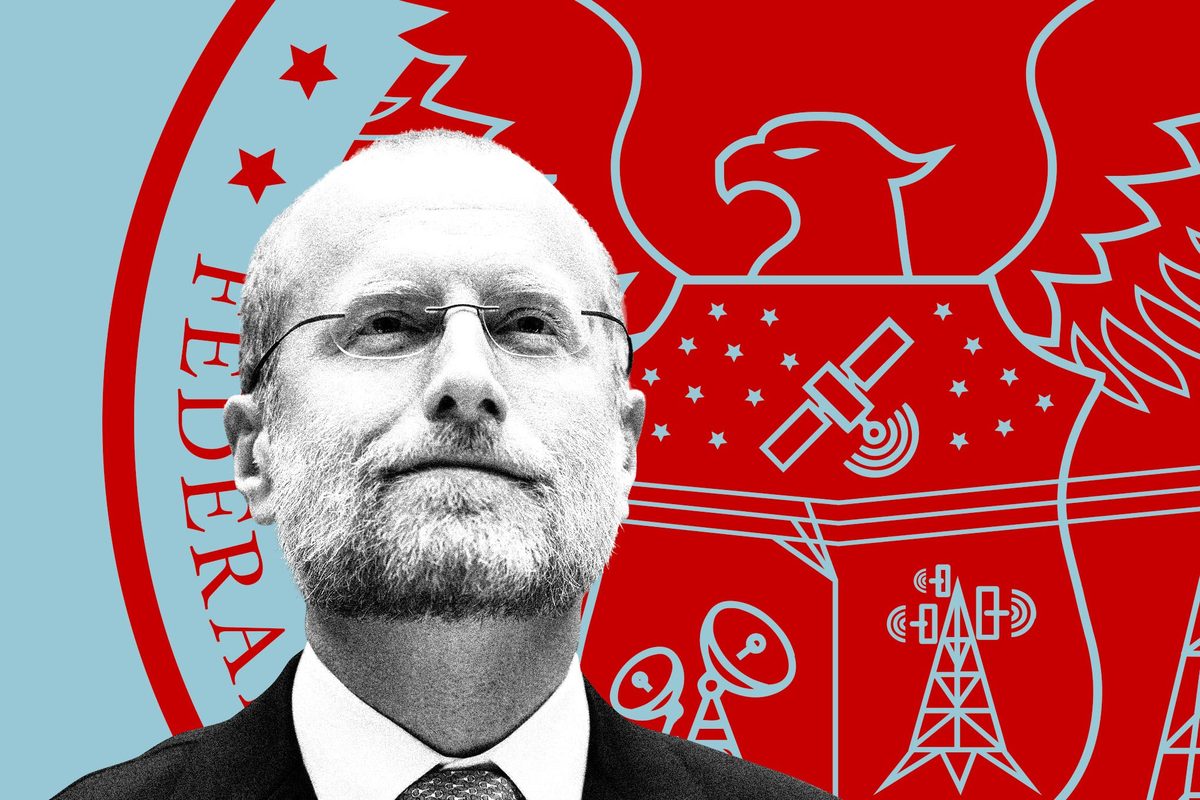
The impact of this merger extends beyond just corporate restructuring; it signals a potential shift in media content and the ideological representation within the industry. As FCC Chair Brendan Carr stated, this approval is an attempt to restore trust in media by ensuring that news is presented fairly and without bias. Carr's statement reflects a broader Republican sentiment that mainstream media has lost the public's trust. The appointment of an ombudsman is a direct response to concerns about bias, suggesting a new era where transparency regarding editorial choices may be prioritized. However, critics argue that this move could lead to a chilling effect on journalistic integrity, as outlets might tailor their coverage to avoid scrutiny rather than prioritizing independent reporting. Moreover, the FCC's involvement in setting these conditions raises profound questions about government influence over media outlets.
Broader Context
The approval of the Skydance-Paramount merger reflects a growing trend of political influence in media operations. Critics of the merger, including Democratic FCC Commissioner Anna Gomez, emphasize that this decision undermines press freedom by allowing the government to pressure companies into modifying their editorial practices. Gomez’s dissent highlights the risk of government overreach in media, suggesting that such actions may embolden further attempts to manipulate media narratives for ideological purposes.
Furthermore, the recent retirement of CBS’s 'The Late Show,' hosted by known Trump critic Stephen Colbert, raises eyebrows about the future programming direction of CBS under Skydance's ownership. The network attributed the show's cancellation to financial reasons, yet many speculate it signifies a broader shift toward conservative programming.
Future Outlook
Looking ahead, the dynamics of media ownership and representation could evolve significantly due to this merger. While Skydance's commitment to featuring diverse viewpoints might seem promising, the abandonment of DEI initiatives raises concerns about equitable representation. Observers will be keen to see how the ombudsman's role plays out and whether it truly contributes to unbiased reporting or becomes a tool for enforcing a certain editorial line.
Furthermore, the FCC's actions signal a willingness to intervene in media affairs that could set a precedent for future mergers. If similar conditions are imposed on other media companies, we may witness a reshaping of the media landscape that prioritizes certain narratives over others, raising crucial discussions about the extent of government control in the press.
Conclusion
The approval of the Skydance-Paramount merger is a watershed moment that not only reshapes the corporate structure of a major media entity but also elevates critical discussions about media bias, government influence, and press freedom. As the consequences of this decision unfold, it will be vital for stakeholders—journalists, companies, and the public—to engage in dialogue about the future of media independence in an increasingly polarized landscape.