Historic Footage: Snow Leopard Cubs Spotted in Mongolia After Four Years
Introduction
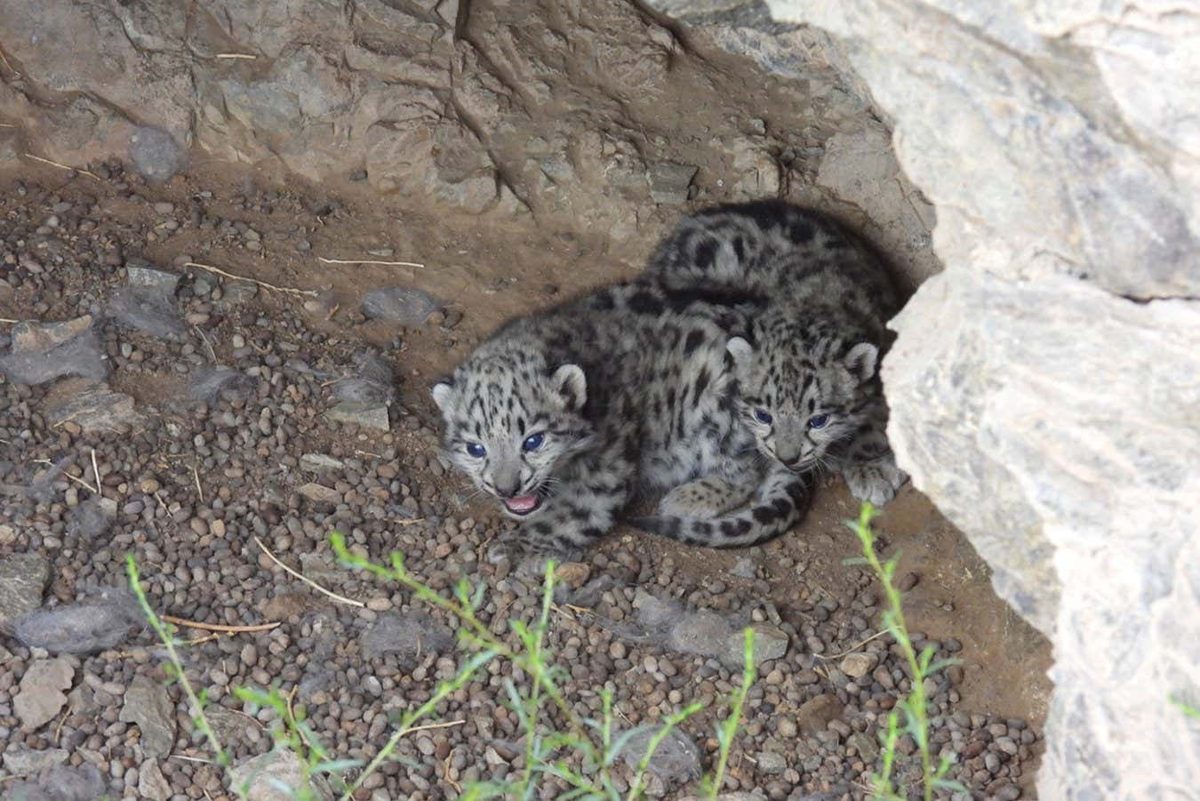
The snow leopard, a symbol of the rugged mountain landscapes of Central and South Asia, has long captivated scientists and conservationists alike due to its elusive nature and endangered status. Recently, researchers achieved a significant breakthrough by photographing snow leopard cubs at their dens in Mongolia for the first time since 2019. This rare glimpse into the early life of these majestic felines provides valuable insight into their breeding success and habitat conditions.
Key Details
- Location: Remote mountainous regions of Mongolia, known habitat for snow leopards.
- Event: First documented visit to active snow leopard dens since 2019.
- Species: Snow leopard (Panthera uncia), a vulnerable species listed on the IUCN Red List.
- Research Methods: Use of camera traps and cautious on-site observations to minimize disturbance.
- Significance: Confirmation of successful breeding and cub survival in the wild.
Background
Snow leopards are notoriously difficult to study due to their solitary and secretive behavior, combined with the harsh and inaccessible terrain they inhabit. Their population is estimated at fewer than 6,500 individuals worldwide, with Mongolia hosting an important part of this population. Conservation efforts have been ongoing to protect these cats from poaching, habitat loss, and human-wildlife conflict, but data on their reproductive success and cub survival rates have been scarce.
Previous attempts to monitor breeding dens have been limited by the animals’ sensitivity and environmental conditions, making this recent documentation a milestone for researchers and conservation groups. The photographic evidence confirms that, despite challenges, snow leopards are still reproducing successfully in these wild habitats.
Analysis
This breakthrough holds importance on multiple levels. Firstly, the ability to observe cubs in their dens allows scientists to better understand the reproductive health and demographics of the population. It also contributes essential data for monitoring the species’ long-term viability. By confirming active dens, researchers can identify critical habitats that require increased protection measures.
Moreover, this finding highlights the effectiveness of conservation programs in Mongolia, where local communities and environmental organizations have collaborated to reduce poaching and mitigate conflicts. The presence of cubs suggests that these protective efforts are beginning to yield positive results.
However, challenges remain. Climate change, expanding human activities, and illegal hunting continue to threaten the snow leopard's fragile ecosystem. The data gathered from these observations will be crucial for shaping future conservation strategies, including habitat preservation, anti-poaching initiatives, and community engagement.
Conclusion
The documentation of snow leopard cubs in Mongolia marks a hopeful chapter in the ongoing story of this enigmatic species. It underscores the importance of sustained research and conservation efforts in ensuring that snow leopards continue to thrive in their natural environment. As technology and local cooperation improve, such rare sightings may become more frequent, providing deeper insights necessary to protect one of the world’s most iconic mountain predators.