Viture's Vonder Glasses Aim to Map Your Mind, Promising Personal Growth
Introduction
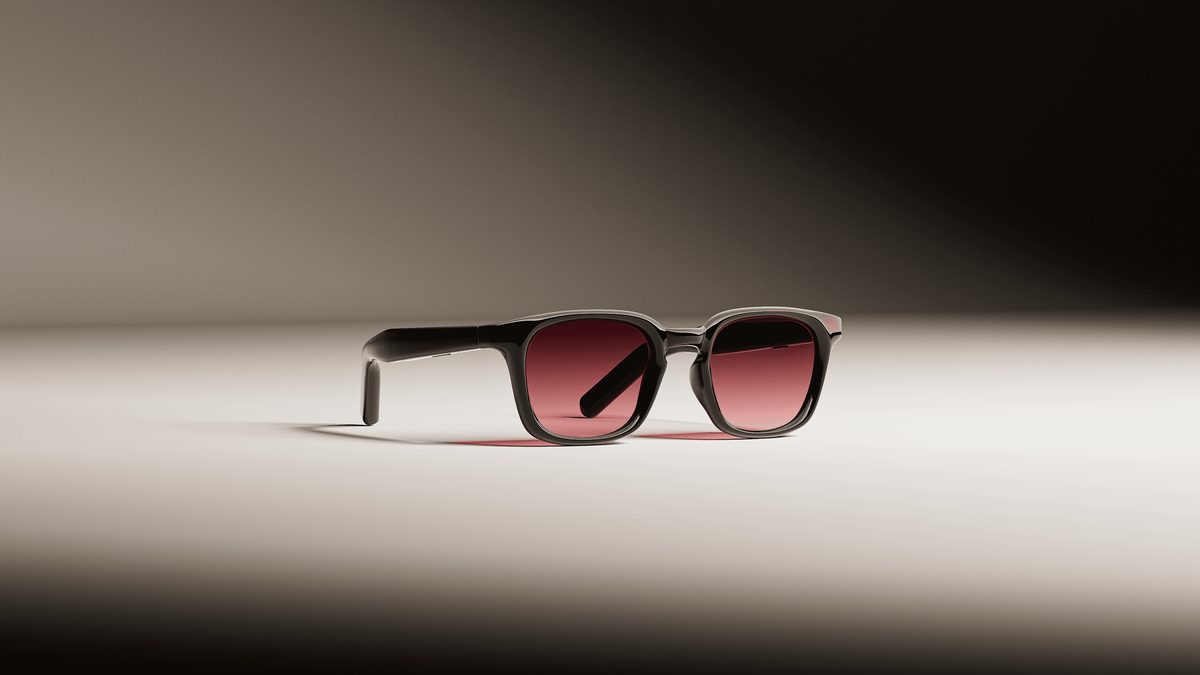
In a significant pivot from its previous focus on virtual display technology for gamers, San Francisco-based Viture has unveiled its latest innovation: the Vonder smart glasses. Unlike their predecessors, these new spectacles eschew virtual screens, instead aiming to act as a sophisticated personal assistant that maps the wearer's memories, ideas, and goals. This ambitious project, spearheaded by co-founder and CEO David Jiang, promises to offer users unprecedented insights into their own minds, potentially fostering personal growth and self-improvement.
Key Details
- Product Name: Vonder smart glasses (pronounced like “wonder” but with a “V”).
- Core Functionality: Maps personal memories, ideas, and goals into a digital vision board or “memory graph”.
- Technology: Integrates multiple large language models (ChatGPT, Claude, Gemini, DeepSeek), selecting the most efficient based on task complexity. Features microphones and speakers for calls, directions, and dictation. Uses bone-conduction sensors for passive audio vibration pickup.
- Privacy Features: No embedded cameras. A small blue indicator light signals audio recording. Primarily collects data when the wearer speaks or via bone conduction, with an optional meeting mode for environmental recording.
- Battery Life: Approximately 16 hours.
- Price: $299.
- Customization: Prescription lenses available, variety of frame shapes and colors, with clear, transition, or shaded lens options.
- Availability: Preorders begin September 28, with shipping in November.
Background
Viture has previously established itself in the wearable tech market with products like the Viture One and Viture Beast, which offered immersive visual experiences by connecting to external devices. However, these devices were often criticized for their bulky design, limiting their appeal beyond a niche gaming audience. The Vonder glasses represent a strategic shift, aiming for a more mainstream appeal by resembling conventional eyewear and focusing on cognitive and personal assistance rather than augmented or virtual reality.
Impact Analysis
The most striking aspect of the Vonder glasses is their potential to influence user behavior. CEO David Jiang shared a personal anecdote where the glasses’ AI identified his critical and overly pressured approach to his son’s tennis matches. The AI prompted him to change his behavior, advising him to be more supportive and present. Jiang claims this intervention significantly improved his relationship with his son, highlighting the glasses' capacity to act as a reflective tool for self-awareness and behavioral modification. “This is not only a tool that can summarize your life, but also a tool that can help yourself to be a better person,” Jiang stated.
“We just want to mimic the way your brain works,” Jiang says. “This is not a transcript or a summary. This is just how your memory organizes in your brain, even better than your memory.”
The Vonder glasses collect data throughout the day, building a “personal memory graph” that tracks activities, conversations, and even inferred thoughts. This graph can be visualized as a complex web, showing connections between different aspects of the wearer's life. For instance, the system can recall past coffee shop visits based on preferences or help diagnose feelings of stress by analyzing recorded interactions and activities. The AI can even proactively surface relevant information, such as potential hiring decisions or plans for product launches, demonstrating a sophisticated understanding of the user's context.
Broader Context
Viture is acutely aware of the privacy concerns surrounding smart glasses, particularly in the wake of controversies involving Meta's Ray-Ban smart glasses. The company emphasizes that Vonder glasses do not have cameras and are designed to look like regular eyewear, aiming to avoid the “creep” factor associated with some wearables. The subtle blue indicator light for audio recording is intended to be less conspicuous than those on competing devices. By focusing on audio analysis and bone conduction, Viture seeks to position Vonder as a privacy-conscious alternative in the burgeoning smart glasses market.
Future Outlook
The success of Vonder will likely depend on its ability to balance powerful AI insights with user privacy and trust. While the glasses offer a unique way to augment personal memory and encourage self-improvement, the reliance on user-generated data raises questions about potential biases. The system primarily captures the wearer's perspective, and Jiang acknowledges that incorporating external viewpoints is crucial. Viture’s approach of encouraging users to repeat key information from conversations may help mitigate this, but the long-term impact of AI-driven self-reflection remains to be seen. The company’s stated goal is to enhance human memory and cognitive function, positioning Vonder not just as a gadget, but as a tool for personal evolution.
Conclusion
Viture’s Vonder glasses mark a significant departure from traditional smart glasses, shifting the focus from external visual augmentation to internal cognitive mapping and personal development. By leveraging advanced AI and a privacy-conscious design, Vonder aims to provide users with a powerful tool for self-understanding and behavioral improvement. While challenges related to data bias and user trust remain, the potential for Vonder to genuinely help individuals become “a better person,” as CEO David Jiang suggests, positions it as a potentially transformative technology in the wearable market.
Source: wired.com