US President Trump Signs Landmark $3.4 Trillion Budget Bill Amid Controversy Over Economic Impact
Introduction
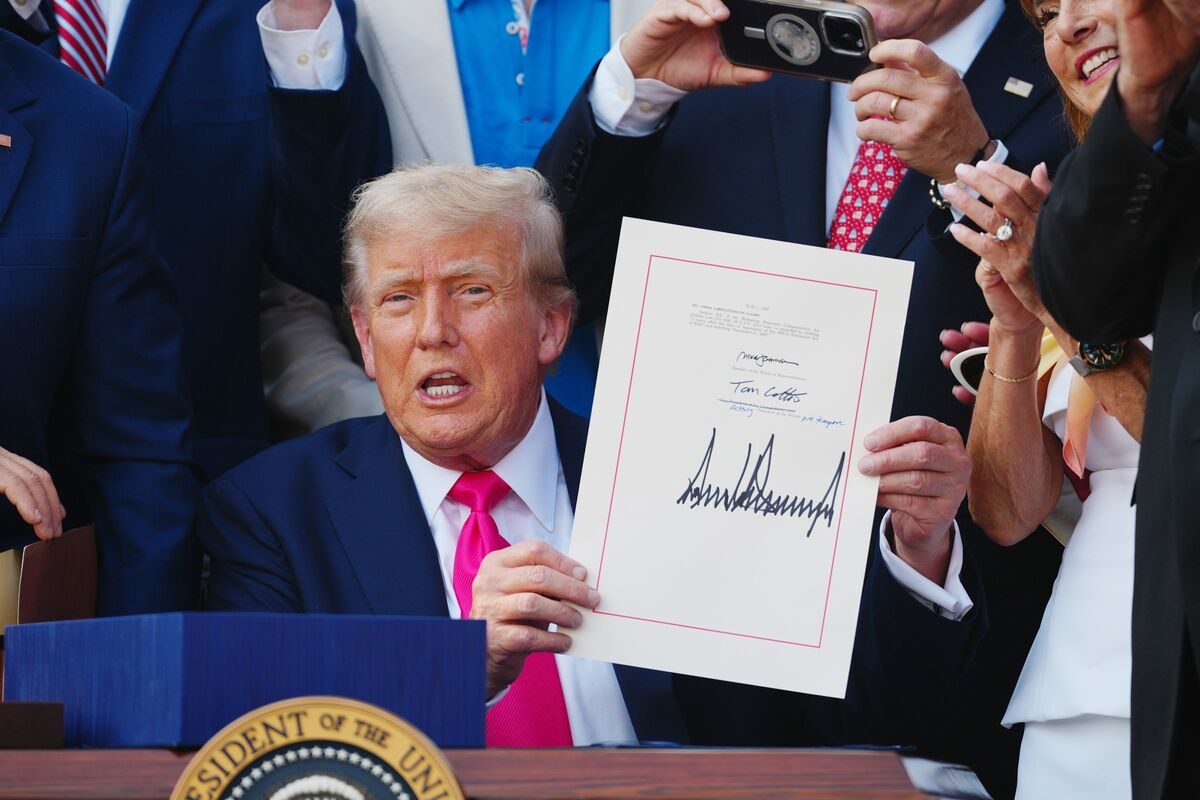
On the symbolic date of July 4, 2025, US President Donald Trump signed into law a massive $3.4 trillion budget bill known as the One Big Beautiful Bill Act. The ceremony took place on the South Lawn of the White House in Washington, DC. The legislation includes an extension of existing tax cuts, new temporary tax breaks for tipped workers, and increased funding aimed at cracking down on illegal immigration. This multifaceted bill represents one of the largest federal spending packages in recent American history and has quickly become a topic of intense debate within political and economic circles.
Key Details
- Size and scope: The bill totals $3.4 trillion in federal spending, encompassing numerous sectors including defense, social programs, and border security.
- Tax provisions: It extends the controversial tax cuts initially implemented during Trump’s earlier terms, aiming to stimulate economic growth.
- Support for tipped workers: The legislation introduces temporary new tax breaks designed to benefit workers reliant on tips, a segment often overlooked in federal tax policy.
- Immigration enforcement: Significant funding is allocated to intensify efforts to combat illegal immigration, reinforcing border security measures.
Background
The enactment of this colossal budget bill occurs in the context of ongoing debates over fiscal responsibility, economic growth, and immigration policy in the United States. Since taking office, President Trump has been a vocal advocate for both tax cuts and stronger border enforcement, often citing economic growth and national security as justifications. The tax cuts, first introduced in the Tax Cuts and Jobs Act of 2017, have been credited by supporters with boosting business investment but criticized by opponents for increasing the federal deficit and favoring wealthier Americans.
Similarly, immigration enforcement has been a cornerstone of Trump’s political platform. Funding increases to crack down on illegal immigration align with his administration’s broader efforts to tighten border security and reduce undocumented immigration. Critics argue these measures often lead to humanitarian concerns and strain relations with neighboring countries.
Analysis
The One Big Beautiful Bill Act’s combination of tax policy extensions and enhanced immigration enforcement funding underscores the administration’s attempt to balance competing priorities: fostering economic growth while addressing border security. However, this approach has elicited mixed reactions. Economists warn that extending tax cuts without offsetting revenue increases could exacerbate the federal deficit and limit the government’s fiscal flexibility in the long term.
Moreover, the inclusion of temporary tax breaks for tipped workers is notable, as this group has historically faced challenges due to fluctuations in income and lack of comprehensive benefits. Although the relief is temporary, it signals an acknowledgment of the diverse economic realities within the American workforce.
Conversely, the increase in funding for immigration enforcement has sparked criticism from human rights advocates who highlight the potential for increased detentions and family separations. The political ramifications are significant as immigration remains a deeply polarizing issue in the US, impacting voter sentiments ahead of upcoming elections.
Conclusion
The signing of the One Big Beautiful Bill Act marks a significant milestone in the Trump administration’s policy agenda, encapsulating its priorities in fiscal policy and immigration enforcement. While the bill’s immediate effects may provide economic relief to certain groups and bolster border security, the long-term implications for the federal budget and social cohesion remain uncertain. As political and economic debates continue, the bill will undoubtedly shape discourse regarding the balance between economic growth, social equity, and national security in the United States.