UAE Equity Listings Surge Amid Saudi Market Caution in 2H 2025
Introduction
As the second half of 2025 unfolds, the equity capital markets of the Gulf Cooperation Council (GCC) countries display contrasting dynamics. The United Arab Emirates (UAE) is witnessing a marked resurgence in equity listings, propelled by the strong performance of recent real estate investment trusts (REITs). In contrast, Saudi Arabia’s capital markets are characterized by a more cautious investor approach, particularly regarding valuations of prospective share sales. This divergence highlights the evolving landscape of Gulf financial markets and offers insights into regional economic priorities.
Key Details
- The UAE is experiencing renewed momentum in equity capital markets during the latter half of 2025.
- A residential real estate investment trust (REIT) recently debuted successfully, boosting investor sentiment.
- This positive development follows several disappointing listings in the UAE during late 2024.
- Saudi Arabia's market remains subdued, with investor caution surrounding valuations of firms considering share sales.
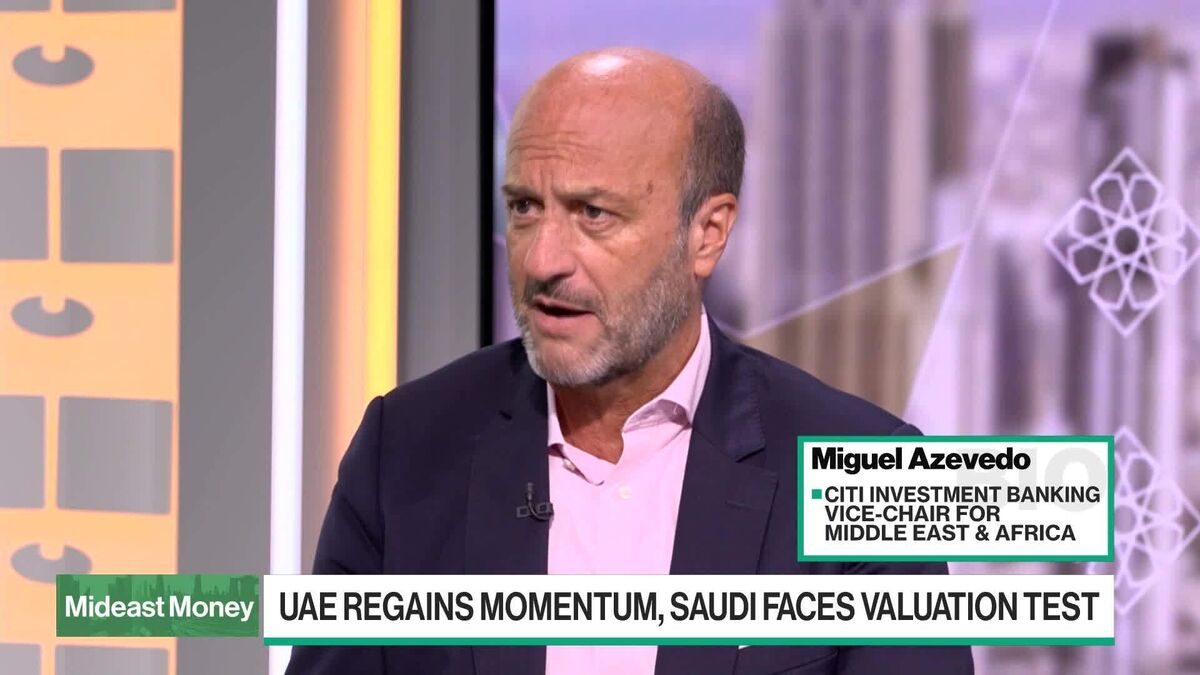
- Miguel Azevedo, Managing Director & Investment Banking Vice-Chair for Middle East & Africa at Citi, provided these insights in an interview with Horizons Middle East and Africa anchor Joumanna Bercetche.
Background
The GCC equity markets have historically been subject to volatility influenced by oil price fluctuations, geopolitical developments, and domestic economic reforms. The UAE’s recent success in launching a residential REIT marks a significant milestone, serving as a vehicle to channel private investment into the real estate sector, a critical pillar of the nation's diversification strategy under its Vision 2021 and beyond.
Late 2024 saw a series of equity listings in the UAE that failed to meet investor expectations, dampening market confidence. The successful REIT launch has therefore played an important role in reversing this trend by improving market liquidity and enhancing investor trust in the UAE’s capital markets.
Meanwhile, Saudi Arabia, the region’s largest economy, has continued its ambitious Saudi Vision 2030 reforms aimed at diversifying away from oil dependency. However, despite a strong pipeline of companies preparing for initial public offerings (IPOs), investor skepticism remains high due to concerns over company valuations and broader market conditions, tempering enthusiasm for share sales.
Impact Analysis
The renewed activity in the UAE’s equity capital markets signals growing investor confidence and the effectiveness of structural reforms facilitating access to capital. The success of the residential REIT indicates a maturing investment environment that appeals not only to regional but also international investors seeking diversified exposure.
In contrast, Saudi Arabia’s valuation challenges suggest that investors are exercising greater prudence, possibly reflecting concerns about macroeconomic variables such as inflation, global interest rates, and geopolitical risks. This cautious stance could delay some planned listings, impacting the pace of capital market development in the kingdom.
"The UAE’s capital markets are gaining traction with investors following the strong debut of the residential REIT, signaling a positive shift in market sentiment," said Miguel Azevedo, Managing Director & Investment Banking Vice-Chair at Citi for Middle East & Africa.
Broader Context
The divergent trends in UAE and Saudi Arabia markets must be understood within the broader context of the GCC’s economic diversification efforts. Both countries are aggressively pursuing non-oil sectors, including real estate, tourism, and technology, to build resilient economies. Capital markets serve as crucial platforms for mobilizing private investment and supporting these strategic sectors.
Moreover, global economic uncertainties, such as inflationary pressures and geopolitical tensions, continue to influence investor behavior in the region. The performance of equity markets in the UAE versus Saudi Arabia provides an important barometer of regional investor sentiment and confidence in ongoing reforms.
Future Outlook
Looking ahead, the UAE is poised for a busy second half of 2025, with multiple equity listings anticipated. The continued success of new financial instruments like REITs could encourage more companies to tap public markets. This momentum may attract further foreign direct investment, reinforcing the UAE’s position as a leading financial hub in the Middle East.
Conversely, Saudi Arabia may experience a slower pace of equity listings as market participants demand greater transparency and realistic valuations. However, the fundamental economic reforms underpinning Vision 2030 remain intact, suggesting that investor confidence could recover once valuation concerns are addressed and market conditions stabilize.
Conclusion
The Gulf’s equity capital markets illustrate a tale of two trajectories in the second half of 2025. The UAE’s rebound, led by the residential REIT success, marks a positive inflection point, enhancing investor confidence and market vibrancy. Meanwhile, Saudi Arabia’s cautious environment underscores the challenges of aligning company valuations with investor expectations amid broader economic shifts.
As both countries navigate these complexities, their capital markets will continue to serve as a critical barometer of the GCC’s economic transformation, reflecting both the opportunities and challenges inherent in the region’s pursuit of diversified and sustainable growth.