New England Fall Tourism: Avoiding 4 Common Tourist Pitfalls for a Better Trip
Introduction
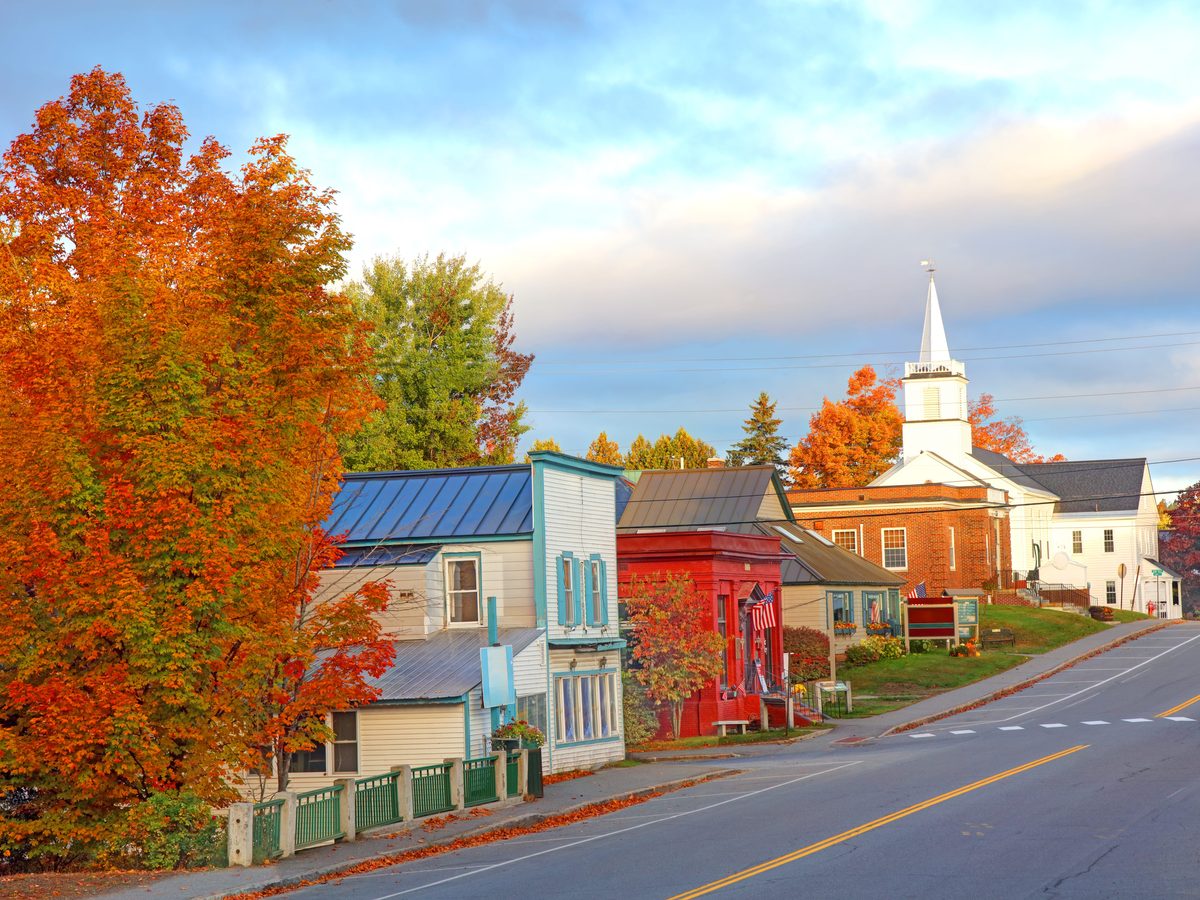
New England in the fall is a spectacle of vibrant foliage, crisp air, and charming small towns, drawing visitors from around the globe. However, for those unfamiliar with the region, the allure of autumn beauty can sometimes mask potential pitfalls. Having grown up in New Hampshire and attended college in Vermont, with regular return visits to the area, I’ve observed firsthand the common errors first-time tourists often make. These mistakes, while sometimes minor, can detract from the experience or, in more serious cases, pose safety risks. This guide aims to provide context and analysis, helping visitors navigate the region more effectively and safely during its most popular season.
Key Details
- Over-reliance on Social Media for Destinations: Popular spots like Bar Harbor, Maine; Woodstock, Vermont; and Salem, Massachusetts, are heavily promoted online, leading to overcrowding. Less-visited but equally stunning locations include Newport, Vermont; Rangeley, Maine; Sturbridge, Massachusetts; and Colebrook, New Hampshire.
- Underestimating Mountain and Hiking Dangers: New England's autumn weather can change rapidly, especially at higher elevations. Inadequate preparation for hikes, including wrong footwear and lack of supplies, can lead to dangerous situations. Essential gear includes headlamps, warm layers, sturdy footwear, water, and snacks. Informing someone of your hiking plans is also crucial.
- Limiting Sightseeing to Scenic Drives: While scenic highways are popular, alternative ways to experience the foliage offer unique perspectives. Activities like kayaking, scenic cruises (e.g., Lake Winnipesaukee), and historic train rides (e.g., Cafe Lafayette Dinner Train) provide different vantage points. More adventurous options include ATV tours, rock climbing, and mountain biking.
- Blind Trust in Navigation Apps: GPS accuracy can be unreliable in rural New England, sometimes directing travelers down non-existent roads or underestimating travel times due to traffic and road conditions. Always exercise caution and allow for extra travel time.
Background
The author’s personal connection to New England, rooted in childhood experiences in New Hampshire and studies in Vermont, provides an authentic perspective on the region’s autumn appeal. The transition from a local’s intimate knowledge to an observer of tourist behavior highlights the gap between idealized online portrayals and the practical realities of visiting. The author emphasizes that while iconic locations are beautiful, the true essence of New England’s fall can often be found in its quieter, less-trodden paths, offering a more serene and authentic experience away from the typical tourist throngs.
Impact Analysis
The four identified mistakes have a direct impact on the visitor experience and local resources. Overcrowding at popular spots strains local infrastructure and diminishes the quality of the visit for everyone. Underestimating hiking risks can lead to search and rescue operations, diverting emergency services and potentially resulting in tragic outcomes. Misreliance on GPS can cause frustration, delays, and even lead travelers into unsafe or impassable areas. By addressing these common errors, visitors can not only enhance their own enjoyment but also contribute to a more sustainable and respectful tourism model in New England.
Broader Context
The phenomenon of social media influencing travel choices is a global trend. Platforms like Instagram and TikTok often highlight visually appealing, albeit crowded, destinations, creating a "fear of missing out" that drives many to the same popular locales. This concentration of tourists can lead to environmental strain and a less authentic cultural experience. Furthermore, the increasing reliance on digital navigation tools, while convenient, underscores a potential disconnect from traditional map-reading skills and situational awareness, particularly in areas with less developed infrastructure or spotty connectivity. The author’s advice encourages a more mindful and prepared approach to travel, applicable beyond New England.
“New England weather can be deceptive in autumn, especially in the higher elevations. One evening on the Appalachian Trail in late August, my friends and I ran into a woman huddled in the dark on a log beside the trail. The day had started sunny and warm, but high wind and rain had moved in, and night had fallen quickly.”
Future Outlook
As autumn tourism in New England continues to grow, awareness of these common mistakes will be crucial for sustainable visitor management. Promoting lesser-known destinations and encouraging responsible outdoor recreation practices can help distribute the tourist load more evenly. Technological advancements in navigation may improve, but the need for critical thinking and backup plans will remain. Future visitors are encouraged to embrace a spirit of exploration, seeking out unique experiences while respecting the natural environment and local communities. A well-prepared and informed tourist is likely to have a more rewarding and memorable fall visit to New England.
Conclusion
New England offers an unparalleled autumn experience, but maximizing its potential requires more than just showing up. By understanding and avoiding common pitfalls—such as sticking to over-hyped locations, neglecting hiking safety, limiting exploration to roads, and blindly trusting GPS—visitors can unlock a richer, safer, and more authentic journey. Embracing the advice of locals and preparing adequately will ensure that a fall trip to New England is not just beautiful, but also enjoyable and memorable for all the right reasons.
Source: businessinsider.com