TSMC CFO Highlights Currency Volatility as Major Risk Amid Global Economic Uncertainty
Introduction
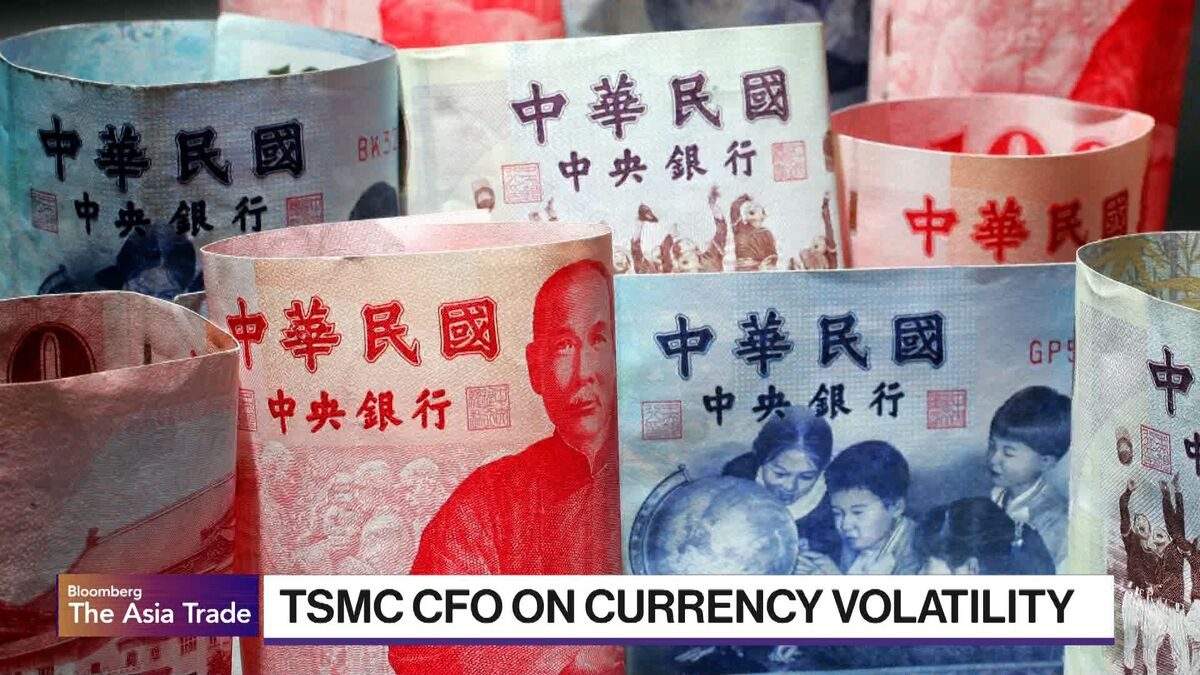
Taiwan Semiconductor Manufacturing Company (TSMC), the world’s leading contract chipmaker, continues to navigate an increasingly complex global economic landscape. Wendell Huang, Senior Vice President and Chief Financial Officer of TSMC, recently addressed concerns over currency volatility, highlighting its substantial impact on the company’s financial performance. Speaking exclusively with Bloomberg Television, Huang shed light on how TSMC manages the risks posed by fluctuating exchange rates and the broader implications for its business operations.
Key Details
- Currency volatility as a major uncertainty: Huang identified fluctuations in foreign exchange rates as a significant challenge that could materially affect TSMC's profit margins.
- Continuous hedging strategy reviews: The company actively and regularly reassesses its hedging approaches to mitigate financial risks linked to currency movements.
- Global economic environment: The current macroeconomic climate, marked by inflationary pressures, geopolitical tensions, and supply chain disruptions, exacerbates currency fluctuations, increasing unpredictability.
- Exclusive insights: Huang’s comments were provided in a detailed interview with Bloomberg Television, offering a rare glimpse into TSMC’s financial risk management.
Background
TSMC plays an indispensable role in the global semiconductor supply chain, producing chips for major technology companies worldwide, including Apple, NVIDIA, and Qualcomm. Given its export-driven business model, TSMC is exposed to currency risks, primarily involving the U.S. dollar, New Taiwan dollar, euro, and yen. Exchange rate fluctuations can affect the company's costs, revenues, and ultimately, margins.
Over recent years, global currency markets have experienced heightened volatility due to factors such as shifting monetary policies by central banks, geopolitical conflicts including the Russia-Ukraine war, and disruptions caused by the COVID-19 pandemic. For multinational companies like TSMC, this volatility introduces additional layers of financial uncertainty.
Analysis
Huang's emphasis on currency volatility underscores a broader challenge faced by many global corporations whose earnings are susceptible to exchange rate movements. For TSMC, even small percentage changes in currency values can translate into significant financial impacts given the scale of its operations.
The company’s proactive stance in continuously reviewing its hedging strategies indicates a dynamic risk management framework. Hedging, typically through financial instruments like forward contracts and options, enables TSMC to lock in exchange rates and reduce exposure to unfavorable currency swings.
However, hedging strategies are not without costs and complexities. They require precise forecasting and agility to adjust positions as market conditions evolve. Huang’s remarks suggest TSMC recognizes these challenges and commits resources to optimize its approach, balancing risk reduction against potential costs.
Furthermore, currency volatility also reflects deeper uncertainties in the global economic order, including shifts in trade policies and capital flows. For technology firms reliant on global supply chains and diverse markets, managing currency risk is part and parcel of sustaining competitive advantage and financial stability.
Conclusion
Wendell Huang’s insights offer a valuable perspective on TSMC’s financial vulnerability to currency fluctuations amid a turbulent economic backdrop. By prioritizing ongoing hedging strategy reviews, the company aims to safeguard its profit margins and maintain resilience against external shocks. This approach highlights the critical importance of sophisticated risk management in the semiconductor industry, where market dynamics can shift rapidly and unpredictably.
As TSMC continues to expand its global footprint and invest in advanced manufacturing, addressing currency volatility will remain a key component of its corporate strategy. Investors and industry observers will be closely watching how effectively the company navigates these financial risks in the coming years.