India Accelerates Renewable Energy Expansion, Strengthening Path to 2030 Climate Targets
Introduction
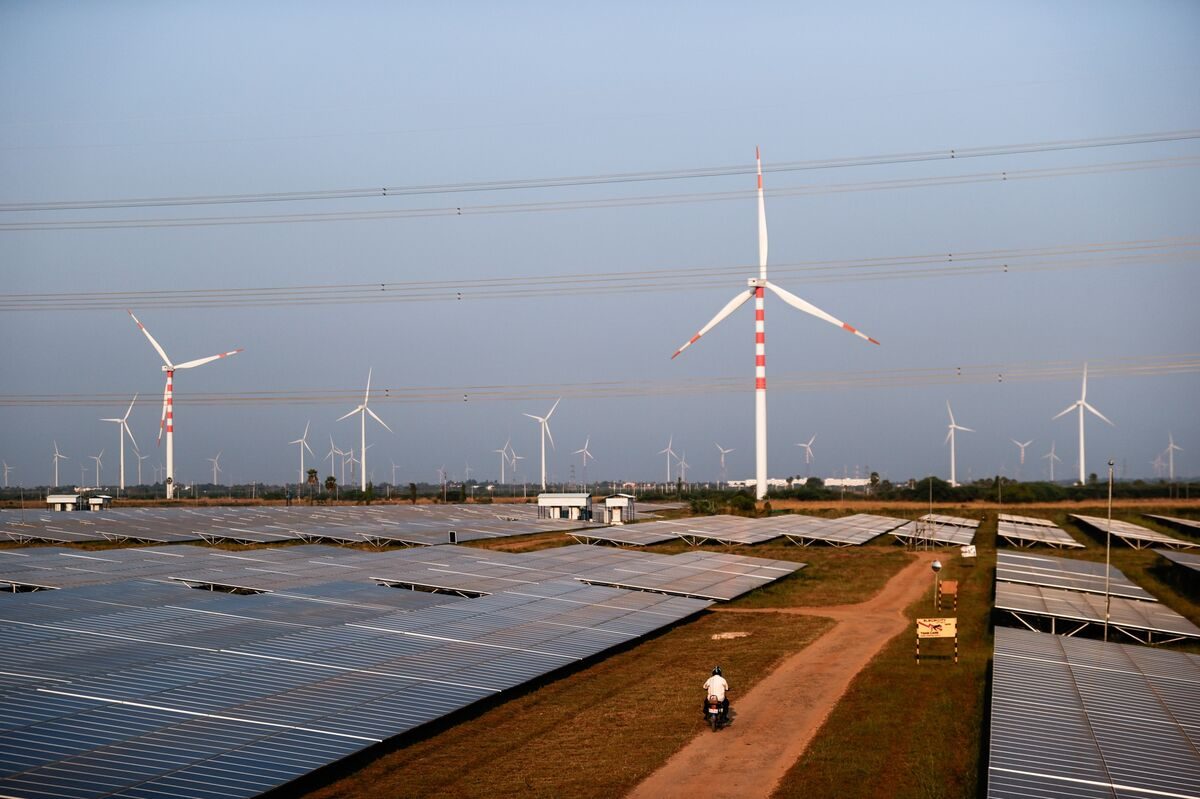
India has recorded a significant surge in renewable energy installations during the first half of 2025, underscoring its commitment to a cleaner and more sustainable energy future. This milestone is not only a reflection of the country's growing investment in green technologies but also a critical advancement towards its international climate pledges under the Paris Agreement.
Key Details
- Record installations: India added an unprecedented volume of renewable capacity in the first six months of 2025, with solar and wind projects leading the expansion.
- Government initiatives: Supportive policies, including subsidies, streamlined approvals, and investment incentives, have accelerated project development.
- Energy mix transformation: Renewables now account for an increasing share of India’s total power capacity, reducing reliance on coal and fossil fuels.
- Economic impact: The renewable sector’s growth is creating jobs and attracting both domestic and international investments.
- Environmental benefits: Increased clean energy generation is contributing to reductions in carbon emissions and air pollution.
Background
India, as one of the world’s fastest-growing major economies, faces the dual challenge of meeting rising energy demands while addressing environmental concerns. Historically dependent on coal, the country has been actively diversifying its energy portfolio. In 2015, India pledged under the Paris Agreement to generate 40% of its power capacity from non-fossil fuel sources by 2030, a target that has shaped policy and investment priorities ever since.
Over the past decade, renewables have grown from a marginal share to a significant component of the Indian energy landscape. Solar power, in particular, has seen explosive growth due to declining costs and ambitious government auctions. Wind power also remains a critical pillar of the renewable mix, alongside emerging technologies such as green hydrogen and battery storage, which promise to further stabilize and scale renewables.
Analysis
The record growth in renewable energy installations in early 2025 signals both the maturity of India’s renewable sector and the effectiveness of policy frameworks. The government’s focus on creating a conducive environment for investment, through measures like reducing bureaucratic hurdles and enhancing grid infrastructure, has proven successful.
This expansion is not without challenges. Integrating large volumes of intermittent renewable energy into the grid requires significant upgrades in transmission systems and energy storage capabilities. Moreover, the transition must be managed to address social and economic impacts, particularly in coal-dependent regions, by ensuring equitable job creation and skill development.
Internationally, India’s renewable surge strengthens its negotiating position and credibility in climate diplomacy. It also sets an example for other developing economies balancing growth and sustainability. However, to fully meet its 2030 goals, India must maintain this momentum, expand investments in emerging technologies, and continue fostering innovation.
Conclusion
The first half of 2025 has confirmed India’s status as a global leader in renewable energy expansion. The record installations bring the country notably closer to achieving its 2030 clean energy targets, with profound implications for climate change mitigation and sustainable development. Sustained policy support, technological advancements, and inclusive socio-economic strategies will be key to maintaining this trajectory and realizing a greener future for India and the world.