Trump Administration Halts Subsidies for 760,000 ACA Enrollees Amid Fraud Crackdown, Sparking Concerns
Introduction
The Trump administration has announced a significant move to purge approximately 760,000 individuals from the Affordable Care Act (ACA) marketplaces, alleging fraudulent enrollment and the existence of non-existent beneficiaries. This initiative, spearheaded by Vice President JD Vance, aims to curb perceived waste and fraud within the public healthcare exchange system, with officials projecting substantial cost savings. However, the abrupt nature of the cancellations and the lack of detailed transparency have drawn sharp criticism from healthcare policy experts and Democratic lawmakers, who question the process and its potential impact on eligible individuals.
Key Details
- Number of Enrollees Affected: 760,000 individuals, representing approximately 315,000 enrollments.
- Allegations: Fraudulent enrollment or individuals not existing.
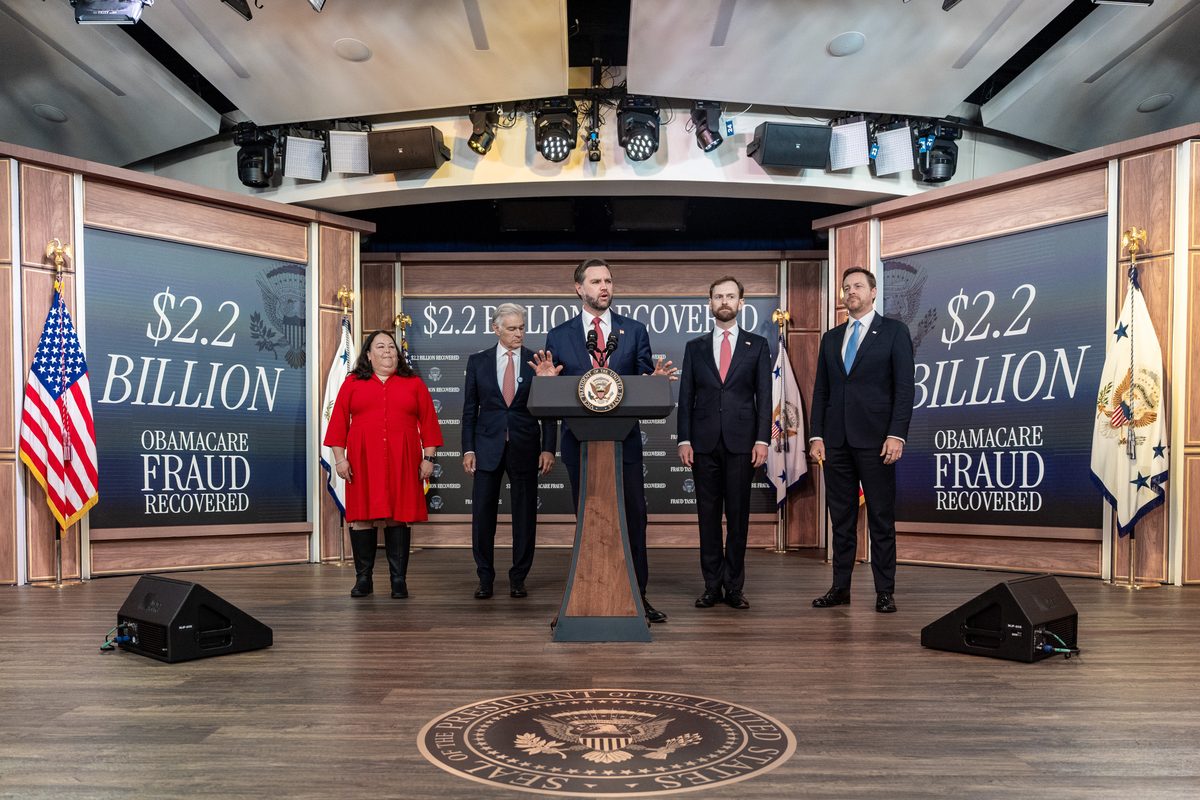
- Projected Savings: $2.2 billion in canceled subsidy payments.
- Administration Official: Vice President JD Vance is leading the task force against fraud.
- Other Officials Involved: Dr. Mehmet Oz, CMS Administrator.
- Additional Verification: Another 419,000 enrollments will undergo further scrutiny.
- Broker Suspension: A six-month suspension on new agents or brokers enrolling individuals, citing their disproportionate involvement in fraud.
- Total ACA Enrollees: Roughly 19.2 million Americans are actively enrolled in ACA marketplace plans as of early 2026.
Background
The ACA marketplaces have seen enrollment growth, particularly during the COVID-19 pandemic, bolstered by enhanced subsidies provided under the American Rescue Plan Act and the Inflation Reduction Act. However, the Trump administration has consistently sought to dismantle or reform the ACA. This latest action is framed as part of a broader, administration-wide effort to combat fraud across federal programs, including healthcare, with the stated goal of controlling runaway spending and protecting taxpayers. The administration points to instances where enrollments lacked essential documentation like Social Security numbers or immigration papers as evidence of the problem.
“We're actually making sure that the people receiving Obamacare subsidies are actually entitled to receive them,” stated Vice President JD Vance, underscoring the administration's rationale for the crackdown.
Impact Analysis
The immediate impact of this decision is the potential loss of health insurance coverage for hundreds of thousands of individuals. While the administration emphasizes cost savings and the elimination of fraud, critics are concerned about due process and the accuracy of the cancellations. Experts like Cynthia Cox from KFF highlight the crucial distinction between canceling coverage for fraudulent enrollees, which is widely accepted, and the process used to identify them. The lack of detailed information on how these 760,000 individuals were flagged raises questions about whether all were indeed fraudulently enrolled. Furthermore, the move occurred outside of standard regulatory procedures, adding to the concerns about its legitimacy and fairness. The timing of the announcement, amidst high inflation and rising healthcare costs, also suggests a political dimension, as healthcare affordability remains a key issue in upcoming elections.
Broader Context
This action occurs within a contentious political landscape surrounding healthcare in the United States. The ACA has been a frequent target of Republican opposition, and the Trump administration has previously attempted to repeal and replace it. The current move can be seen as a continuation of that policy stance, albeit through administrative action rather than legislative repeal. The premium increases experienced by many ACA enrollees after the expiration of COVID-era subsidies, which were supported by the Biden administration, have already strained affordability. This latest development, therefore, adds another layer of uncertainty and potential hardship for individuals relying on the ACA for health coverage. The Government Accountability Office (GAO) has previously identified fraud risks within the advance premium tax credit system, noting in a December report that the federal marketplace approved subsidized coverage for nearly all of its fictitious applicants during testing, underscoring that vulnerabilities exist, though the scale of actual fraud remains unclear.
Future Outlook
The long-term implications of this policy remain to be seen. It is likely to face legal challenges and continued scrutiny from consumer advocacy groups and political opponents. The administration may face pressure to provide more transparency regarding its methodology for identifying fraudulent enrollees and to establish clearer safeguards against erroneous cancellations. The suspension of new agents and brokers could also impact enrollment assistance efforts. For individuals affected, the path forward may involve appeals, re-verification processes, or seeking alternative coverage, potentially at a higher cost. The debate over healthcare affordability and access is set to intensify, with this policy likely becoming a focal point in discussions about the future of the ACA and government's role in ensuring health coverage.
Conclusion
The Trump administration's decision to remove 760,000 individuals from ACA marketplaces, justified by a crackdown on fraud and projected savings of $2.2 billion, represents a significant policy shift with potentially far-reaching consequences. While the intent to eliminate fraud is understandable, the lack of transparency and the potential for erroneous cancellations have raised serious concerns among experts and policymakers. This action underscores the ongoing political battles over the ACA and highlights the complex challenges in ensuring both program integrity and equitable access to healthcare for all Americans. The coming months will likely reveal the full extent of the impact and the administration's response to the ensuing scrutiny.
Source: npr.org