‘The Weight’ Delivers 1970s Tough-Guy Thrills with Ethan Hawke
Introduction
In a cinematic landscape often saturated with modern blockbusters, the emergence of a film that deliberately channels the spirit of a bygone era is a welcome event. Padraic McKinley’s directorial debut, ‘The Weight’, is precisely such a film. It’s a deliberate and often successful homage to the gritty, morally complex “tough-guy” movies of the 1970s, a genre characterized by stoic anti-heroes, harsh realities, and a palpable sense of danger. While not a flawless recreation, the film comes remarkably close to capturing the visceral thrill and thematic weight of its inspirations.
Key Details
- Director: Padraic McKinley (debut feature)
- Starring: Ethan Hawke as Samuel Murphy, Russell Crowe as Warden Clancy
- Setting: Great Depression-era Oregon
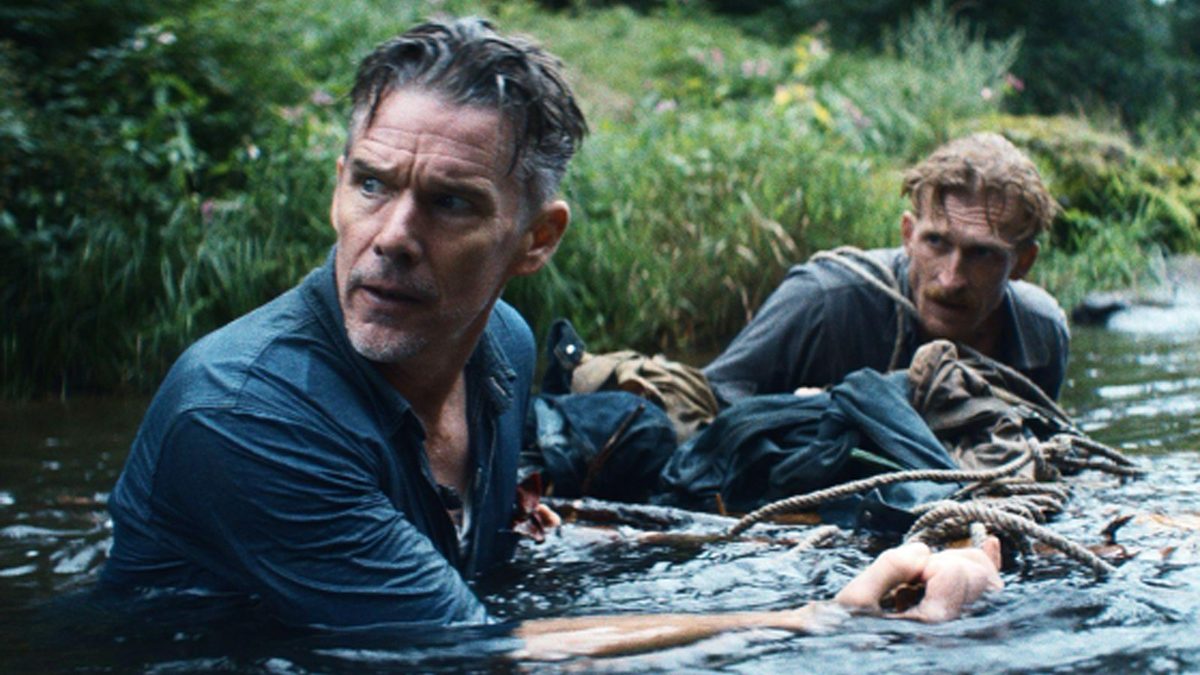
- Plot Synopsis: A widower, Samuel Murphy, desperate to reunite with his daughter, agrees to a dangerous mission orchestrated by a corrupt warden. He must lead a group of fellow convicts through the wilderness to transport a cache of gold bricks, facing natural perils and human betrayal.
- Influences: Films like Hard Times, Deliverance, Sorcerer, Westerns, man-vs-elements potboilers, and pulp fiction.
- Ethan Hawke's Performance: Described as a fusion of Humphrey Bogart and early Charles Bronson, embodying a strong, silent anti-hero.
- Supporting Cast: Features notable performances from Lucas Lynggaard Tønnesen, Avi Nash, Austin Amelio, Julia Jones, and Russell Crowe.
Background
The film plunges viewers into the harsh realities of 1933 America, amidst the throes of the Great Depression. Samuel Murphy, portrayed by Ethan Hawke, is a man at his lowest ebb. A widower struggling to provide for his young daughter, Murphy’s skills as a mechanic and driver offer little solace in a world gripped by economic devastation. An unfortunate altercation with a police officer lands him in a rural work camp, a sentence that separates him from his child and forces him into grueling labor.
It is within this bleak setting that the central conflict of ‘The Weight’ is established. The camp’s warden, Clancy, played with a menacing charm by Russell Crowe, presents Murphy with a Faustian bargain. A significant quantity of gold, destined for federal requisition, needs to be moved discreetly. Clancy offers Murphy a chance at early release in exchange for leading a team of convicts on this perilous journey through the Oregonian wilderness. The task is fraught with danger, promising a six-day trek filled with treacherous terrain, untrustworthy companions, and the ever-present threat of betrayal.
Impact Analysis
‘The Weight’ succeeds in evoking the specific atmosphere of 1970s cinema. Director Padraic McKinley, who previously worked with Hawke on the acclaimed limited series The Good Lord Bird, demonstrates a keen understanding of the era’s cinematic language. The film’s visual style, pacing, and thematic concerns—particularly its exploration of moral ambiguity and the darker aspects of human nature—are deeply rooted in films like William Friedkin’s Sorcerer and Walter Hill’s Hard Times. Ethan Hawke delivers a performance that is a masterclass in understated intensity, channeling the stoic resilience of classic Hollywood anti-heroes. His portrayal of Murphy is a stark contrast to his more flamboyant work in The Good Lord Bird, showcasing his evolution into an actor capable of conveying profound depth through subtle expressions and quiet determination.
The ensemble cast further enriches the film’s textured world. Russell Crowe is perfectly cast as the oily, menacing warden, a character whose outward politeness masks a core of ruthless opportunism. The supporting players, including Lucas Lynggaard Tønnesen as a gentle giant and Avi Nash as an anarcho-socialist, add distinct flavors to the ragtag group of convicts. Julia Jones provides a strong presence as a Native woman who joins their perilous journey, holding her own against both the elements and the men. The film’s commitment to its retro aesthetic is palpable, from the practical effects to the gritty cinematography, creating an immersive experience that feels authentic to its inspirations.
Broader Context
The film’s deliberate embrace of 1970s tough-guy cinema places it within a lineage of films that explored the psychological toll of difficult circumstances and the blurred lines between good and evil. This era of filmmaking often eschewed clear-cut heroes and villains, opting instead for complex characters forced to make impossible choices in unforgiving environments. ‘The Weight’ taps into this tradition, presenting a narrative where survival often necessitates morally compromising actions. The Great Depression setting serves as a potent backdrop, amplifying the stakes and underscoring the desperation that drives the characters’ decisions. The film’s exploration of corporate greed and the corrupting influence of power also resonates with contemporary concerns, adding a layer of relevance beyond its retro appeal.
Future Outlook
For fans of classic genre cinema, ‘The Weight’ represents a significant achievement. It proves that there is still an appetite for well-crafted, character-driven thrillers that prioritize atmosphere and thematic depth over conventional action spectacle. The film’s success could potentially encourage further explorations of similar retro-inspired narratives, particularly those that delve into the rich vein of 1970s cinema. Padraic McKinley’s assured debut also marks him as a director to watch, capable of delivering both stylish homages and compelling character studies. Ethan Hawke continues to solidify his status as one of Hollywood’s most versatile actors, adept at inhabiting a wide range of complex roles.
Conclusion
‘The Weight’ is more than just a simple throwback; it’s a meticulously crafted piece of retro-cinema that captures the essence of 1970s tough-guy thrillers. While a jarring anachronism at its conclusion prevents it from achieving perfect homage status, the journey is undeniably compelling. Ethan Hawke’s stoic performance, coupled with McKinley’s confident direction and a strong supporting cast, makes for a gripping survivalist tale. The film successfully immerses the audience in its gritty world, offering a potent blend of suspense, character drama, and thematic resonance. It stands as a testament to the enduring appeal of its genre influences and a strong debut for its director.
Source: rollingstone.com