Sugary Drinks Linked to Higher Stomach Cancer Risk, Diet Drinks Show No Association
Introduction
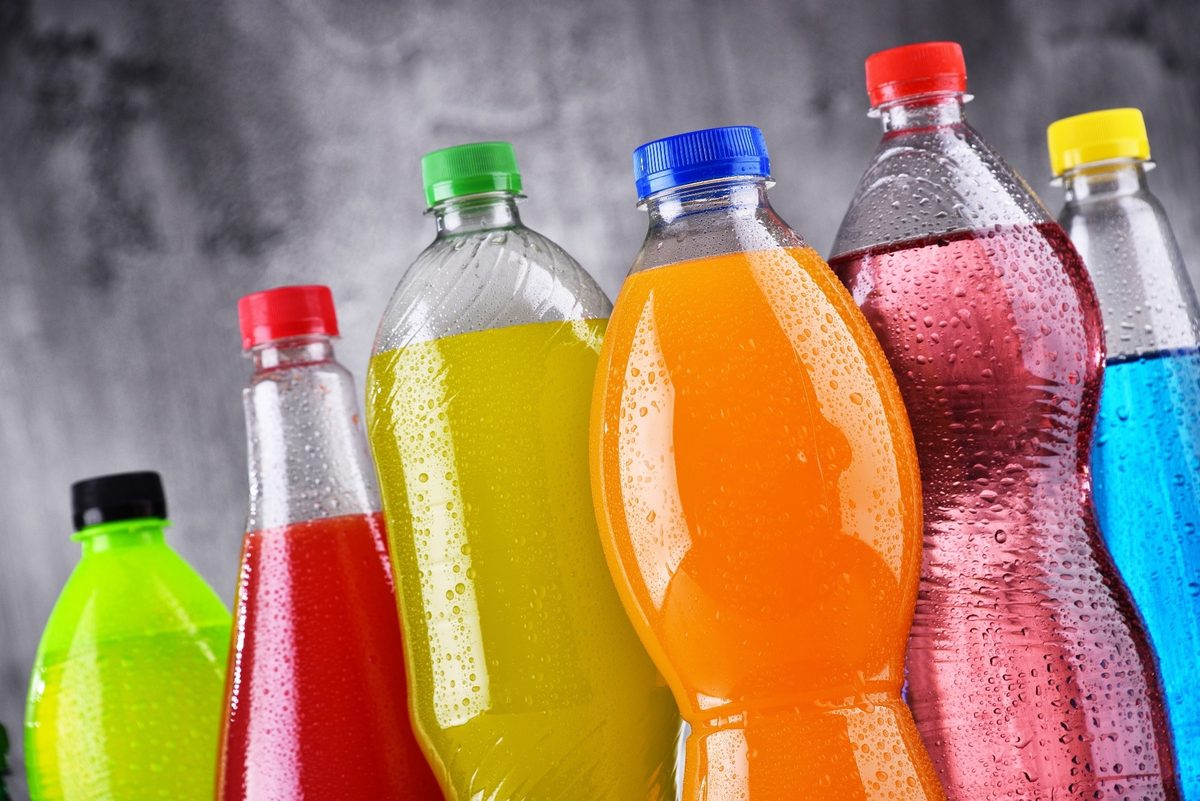
In a significant development for public health research, a recent study has shed light on the potential links between beverage consumption and gastric cancer. While sugar-sweetened beverages (SSBs) emerged as a notable factor associated with a higher incidence of stomach cancer, artificially sweetened beverages (ASBs) did not show a similar correlation. This research, conducted across two major US health professional cohorts, offers crucial insights into dietary habits and their impact on one of the world's deadliest cancers.
Key Details
- The study analyzed beverage intake data from over 112,000 participants across the Nurses’ Health Study (NHS) and the Health Professionals Follow-up Study (HPFS).
- Over 3.2 million person-years of follow-up, 278 cases of gastric cancer were documented.
- Individuals consuming more than one serving of SSBs daily showed a higher incidence of gastric cancer compared to those consuming less than one serving per month.
- No significant association was found between the intake of artificially sweetened beverages (ASBs) and gastric cancer incidence.
- Total fructose intake was positively associated with gastric cancer incidence, particularly among women.
- The study was published in the journal Gastro Hep Advances.
Background
Gastric cancer remains a formidable global health challenge, ranking as the fourth leading cause of cancer-related mortality worldwide. Established risk factors include Helicobacter pylori infection, lifestyle choices such as alcohol and tobacco use, and dietary patterns high in salted, pickled, or grilled meats, and low in fruits and vegetables. The role of SSBs, encompassing regular sodas, energy drinks, and sweetened juices, has been a subject of ongoing investigation across various cancers, but their specific relationship with gastric cancer has been less clear. Concerns have also been raised about ASBs, particularly following the International Agency for Research on Cancer's classification of aspartame as possibly carcinogenic to humans. However, robust evidence linking SSB intake directly to gastric cancer incidence was previously limited, creating a need for more definitive research.
About the Study
The research team employed a prospective cohort design, leveraging data from the long-running NHS and HPFS. These cohorts provided a substantial dataset, with the NHS starting in 1976 with over 121,000 female nurses and the HPFS in 1986 with over 51,000 male health professionals. The baseline for this analysis was established in 1986 when detailed beverage intake information was first collected. Participants completed validated semiquantitative food-frequency questionnaires every four years to assess dietary habits, alongside biennial questionnaires covering lifestyle, medical history, and health outcomes. SSBs included a range of drinks like regular sodas, punches, lemonades, and sports drinks, while ASBs comprised low-calorie carbonated beverages. Serving sizes were standardized at 8 ounces. Gastric adenocarcinoma cases were meticulously identified and confirmed through multiple sources, including self-reports, the National Death Index, medical records, and cancer registries. The statistical models were carefully designed to control for a wide array of potential confounding factors, such as race, body mass index, overall calorie intake, smoking status, alcohol consumption, diabetes, physical activity levels, diet quality, reproductive factors, and medication use, ensuring the robustness of the findings.
Study Results
The comprehensive analysis, encompassing 112,284 participants and a total follow-up period of 3,204,001 person-years, identified 278 cases of gastric cancer. The findings revealed a distinct pattern: individuals who consumed more than one serving of SSBs per day exhibited a significantly higher incidence of gastric cancer when compared to those who consumed less than one serving per month. This increased risk was particularly concentrated in the highest intake category, with lower consumption levels showing estimates closer to the reference group. Importantly, both the NHS and HPFS cohorts demonstrated this trend. In stark contrast, the study found no discernible association between the intake of artificially sweetened beverages and the incidence of gastric cancer. The data did not reveal any clear pattern correlating increasing ASB consumption with a higher risk of the disease, neither in the combined cohort nor in the individual cohorts. Further investigation into a subset of participants for Helicobacter pylori infection did not reveal any link between SSB or ASB intake and this known risk factor for gastric cancer. The study also noted a positive association between total fructose intake and gastric cancer incidence, especially among women.
“Higher SSB intake was associated with greater gastric cancer incidence, while no corresponding association was identified for ASBs.”
Impact Analysis
The study's findings have significant implications for public health recommendations and individual dietary choices. The clear association between high SSB consumption and increased gastric cancer risk, coupled with the lack of such a link for ASBs, provides valuable guidance. It suggests that reducing intake of sugar-sweetened beverages could be a viable strategy for mitigating gastric cancer risk. The absence of an association with ASBs may alleviate some concerns surrounding these products, although further research into their long-term health effects is always warranted. The positive association with total fructose intake further underscores the importance of monitoring sugar consumption from all sources.
Broader Context
This research adds to a growing body of evidence linking SSBs to various adverse health outcomes, including obesity, type 2 diabetes, and cardiovascular disease. While the precise mechanisms by which SSBs might contribute to gastric cancer remain uncertain, potential pathways include promoting weight gain, insulin resistance, inflammation, and potentially DNA damage or alterations in gut microbiota (dysbiosis). The study's limitations, such as the predominantly White demographic of the cohorts and limited data on Helicobacter pylori infection, anatomical cancer location, and family history, highlight the need for further, more diverse research. Understanding these mechanisms is crucial for developing targeted prevention strategies.
Future Outlook
The authors emphasize the need for future studies to confirm these findings in more diverse populations and to delve deeper into the underlying biological mechanisms. Investigating the specific types of SSBs and their varying sugar compositions, as well as exploring the role of fructose more granularly, could provide further clarity. Additionally, research focusing on different geographical regions and ethnic groups would be beneficial to ensure the generalizability of these results. Continued monitoring of dietary trends and their long-term health consequences remains a critical public health endeavor.
Conclusion
This large-scale prospective cohort study provides compelling evidence associating higher consumption of sugar-sweetened beverages with an increased risk of gastric cancer, while finding no such link for artificially sweetened drinks. The findings underscore the importance of dietary choices in cancer prevention and call for further research to elucidate the specific mechanisms involved and to confirm these associations across diverse populations.
Source: news-medical.net