Subnautica 2 Development Crisis Jeopardizes $250 Million Bonus and Studio Leadership
Introduction
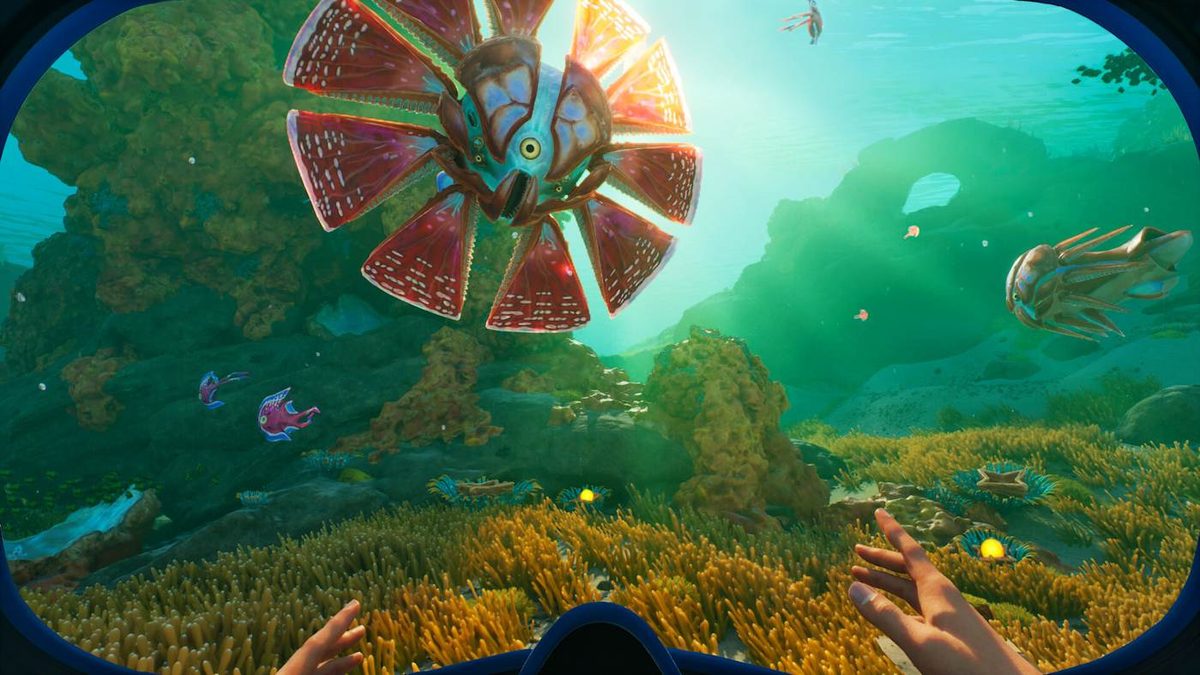
Subnautica 2, the highly anticipated sequel to the acclaimed underwater survival game, has become the center of a tumultuous conflict between its developer Unknown Worlds and its parent company Krafton. The discord escalated dramatically in mid-2025, resulting in the firing of the studio’s founding leaders, a delay of the game’s early access launch to 2026, and a legal battle over a substantial performance-based bonus potentially worth up to $250 million. This article unpacks the complex background, key events, and broader implications of this high-stakes dispute.
Key Details
- Subnautica 2 was set for early access release in 2025 but delayed to 2026.
- Krafton acquired Unknown Worlds in 2021 for $500 million, with a $250 million earnout bonus contingent on performance benchmarks by end-2025.
- Founders and executives Charlie Cleveland, Max McGuire, and Ted Gill were fired by Krafton in July 2025.
- The ousted leadership filed a lawsuit alleging wrongful termination and intentional delay to avoid paying the bonus.
- Krafton accuses the founders of abandoning the project and prioritizing personal interests.
- The Unknown Worlds team grew from about 40 employees at acquisition to approximately 100, with bonus payments intended to be shared widely.
- The lawsuit claims Krafton sabotaged the game’s launch to evade contractual obligations.
- Krafton extended the bonus period by one year and plans partial profit sharing with employees to ease tensions.
Background
Unknown Worlds was founded inadvertently in 2001 by Charlie Cleveland during his work on Half-Life mods. Max McGuire joined in 2006, and together they transitioned from modding to original game development, inspired by Minecraft’s open-world mechanics. Their flagship project, Subnautica, was launched in early access in 2014 and officially released in 2018, earning widespread acclaim for its immersive underwater exploration and survival gameplay. The studio’s success led to the spin-off Below Zero and a devoted player base.
In 2021, PUBG publisher Krafton acquired Unknown Worlds for $500 million, with an additional $250 million contingent bonus tied to meeting certain performance metrics before 2026. This acquisition aimed to leverage Krafton’s massive resources to expand the Subnautica franchise but also introduced corporate control dynamics that eventually became contentious.
Impact Analysis
The heart of the dispute lies in whether Subnautica 2 was ready for early access release by 2025 and the implications of a delay on the massive earnout bonus. Unknown Worlds’ leadership asserts the game was ready, and the delay was imposed by Krafton to avoid paying out the bonus. Krafton counters that the founders neglected their responsibilities, citing the failure of Moonbreaker and Cleveland’s focus on a film project as evidence of abandonment. The leadership change and development review process implemented by Krafton suggest a strategic shift in how the game and studio are managed.
The prolonged delay and public lawsuit risk damaging the studio’s reputation, fracturing team morale, and alienating the passionate Subnautica community. Moreover, the legal battle highlights the tensions between creative independence and corporate oversight in the gaming industry, especially when lucrative financial incentives are at stake.
Broader Context
This clash exemplifies a growing trend where independent studios acquired by large publishers face conflicts over creative control and financial rewards. While acquisitions provide resources and stability, they also introduce pressures that can disrupt established team dynamics and development timelines. The Subnautica 2 saga reflects the challenges of balancing artistic vision with commercial imperatives in a multibillion-dollar industry.
The situation also underscores the increasing importance of performance-based earnouts in acquisition deals, which can lead to confrontations if expectations diverge. The public nature of this dispute, including detailed court filings and media scrutiny, may influence how future deals are structured and how studios negotiate their autonomy.
Future Outlook
Krafton’s decision to extend the bonus period by a year and provide partial profit-sharing to employees attempts to alleviate immediate tensions, but the lawsuit remains unresolved. The Delaware Chancery Court’s ruling will be pivotal in determining whether Krafton acted unlawfully in firing the founders and delaying the game. The outcome could set precedents for how publisher-studio relations are governed, especially concerning earnout agreements and leadership transitions.
For players eagerly awaiting Subnautica 2, the extended delay means a longer wait but possibly a more polished product if Krafton’s revised review process succeeds. For the studio’s staff and leadership, the turmoil raises questions about their future roles and the creative direction of the franchise.
Conclusion
The unfolding drama around Subnautica 2 reveals the complex interplay of creative passion, corporate interests, and financial stakes in modern game development. At stake is not only a beloved game and its studio but also substantial financial rewards tied to performance goals. While all parties claim to prioritize the game and its community, the reality involves conflicting narratives and legal battles that may reshape the future of Unknown Worlds and its flagship franchise. Observers and fans alike will be watching closely as the legal process seeks to clarify responsibilities and rights, with significant implications for the broader gaming industry.
"Suing a multibillion dollar company in a painful, public and possibly protracted way was certainly not on my bucket list," said Charlie Cleveland, underscoring the personal and professional stakes involved.