Spotify Doubles Audiobook Listening Time with New Audiobooks+ Add-On for Premium Users
Introduction
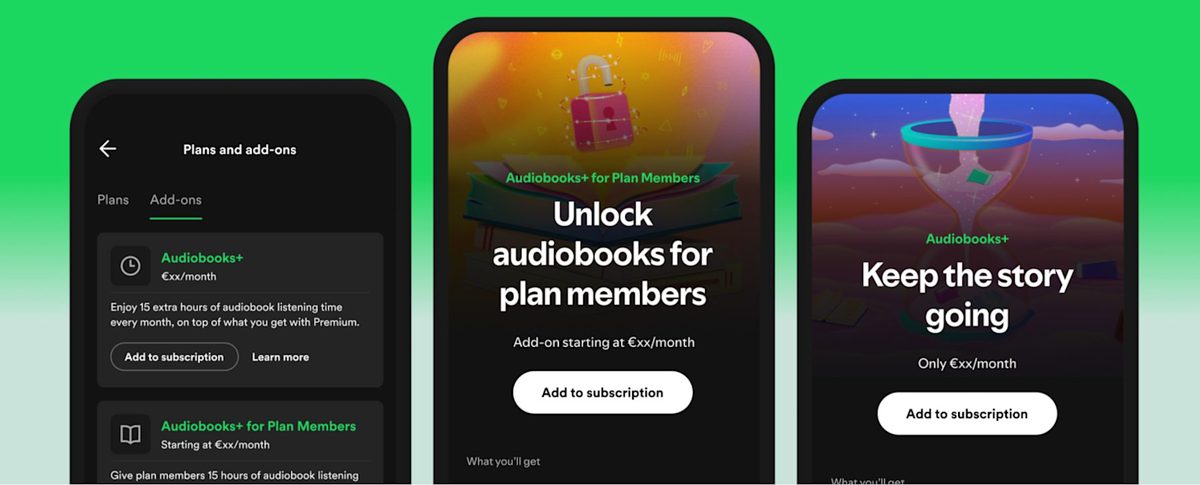
Spotify, primarily known for its music streaming and podcast services, is expanding its audiobook offerings by introducing a new subscription add-on called Audiobooks+. This add-on, available to Premium subscribers, doubles the monthly audiobook listening limit from 15 to 30 hours. Initially trialed in Ireland and Canada, the service is now rolling out in several European countries as well as Australia and New Zealand, signaling Spotify's strategic push to deepen its footprint in the audiobook space.
Key Details
- Audiobooks+ provides an extra 15 hours of audiobook listening per month on top of the existing 15 hours included with Spotify Premium.
- The add-on is available for Spotify Premium Individual and Plan members in select regions.
- Premium Family and Duo plans require the plan manager to purchase the add-on; they can also buy one-time 10-hour top-ups if they exhaust monthly hours.
- Base Spotify Premium costs $12 per month individually, with Family and Duo plans at $20 and $17 respectively.
- Pricing for Audiobooks+ varies by country, with the UK rate at £9 (~$12) per month.
- Spotify plans to launch Audiobooks+ in the US in the coming weeks.
- Spotify also offers a separate Audiobooks Access plan in the US, which has ads and is distinct from Premium.
Background
Spotify initially included 15 hours of audiobook listening per month for Premium subscribers, aiming to offer a mixed-media experience combining music, podcasts, and audiobooks. However, as audiobooks continue to gain popularity globally — with markets like the US and Europe witnessing significant growth — Spotify recognized that many users required more listening time for audiobooks. The company’s trial in Ireland and Canada provided valuable insights into user consumption patterns and demand, encouraging the launch of Audiobooks+.
The audiobook market has become a lucrative segment within the digital entertainment industry. According to the Audio Publishers Association, audiobook revenues in the US alone have seen consistent double-digit growth annually for several years, driven by consumer demand for flexible, on-the-go content. Spotify’s move into audiobooks intensifies competition with established players like Audible (owned by Amazon), Google Audiobooks, and Apple Books.
Impact Analysis
The introduction of Audiobooks+ serves multiple strategic purposes for Spotify. Firstly, it enhances user retention by catering to audiobook enthusiasts who might otherwise need separate subscriptions elsewhere. By integrating audiobooks more deeply into its Premium offering, Spotify increases the perceived value of its service, potentially reducing churn and attracting new subscribers.
Secondly, increasing audiobook listening time aligns with Spotify’s broader goal of diversifying its content portfolio beyond music and podcasts. Audiobooks represent a growing segment that can generate significant revenue through subscriptions and potentially advertising in future iterations.
Moreover, offering flexible purchase options — such as one-time 10-hour top-ups for Family and Duo plans — provides users with greater control over their consumption and spending, which could improve user satisfaction and engagement.
Spotify spokesperson: "Audiobooks+ brings more choice and flexibility to Premium subscribers, responding directly to the growing appetite for audiobooks worldwide."
Broader Context
Spotify’s expansion into audiobooks reflects a larger trend within streaming platforms to become comprehensive audio ecosystems. With podcasts booming in popularity, and audiobooks rapidly growing, platforms are striving to provide one-stop solutions for diverse audio content. Spotify’s cross-content strategy helps it compete more effectively against tech giants and specialized audiobook companies.
Additionally, the international rollout of Audiobooks+ to markets including Europe, Australia, and New Zealand highlights Spotify’s focus on global growth. Different regions show varying preferences and consumption behaviors, so Spotify’s approach to tailor offerings and pricing by market will be key for success.
The pricing strategy, with Audiobooks+ costing nearly as much as the base Premium plan in some countries, indicates Spotify’s confidence in the perceived value of audiobooks among its customers. The upcoming US launch will be particularly telling, as the US is the largest audiobook market globally and a highly competitive environment.
Future Outlook
Looking ahead, Spotify’s investment in audiobook content and subscription flexibility may accelerate innovation in the sector. The company could explore enhanced features such as personalized audiobook recommendations, exclusive content deals, or integration with other media formats. Success in this arena could also spur new advertising models tailored to audiobook listeners.
Spotify’s ability to balance audiobook offerings with its core strengths in music and podcasts will be crucial. Seamless user experience across these formats, combined with competitive pricing and regional customization, will determine the long-term impact of Audiobooks+ on Spotify’s subscriber base and revenue.
Conclusion
Spotify’s launch of Audiobooks+ represents a significant step in expanding its audio content ecosystem, responding to growing consumer demand for audiobooks. By doubling the monthly listening time for Premium subscribers and offering flexible add-ons for family plans, Spotify is positioning itself as a strong contender in the audiobook market. As the service rolls out internationally and approaches the US launch, industry watchers will be keen to see how this strategy affects Spotify’s competitive standing and subscriber growth in the evolving digital audio landscape.