Slate Electric Pickup: 201 HP and 1,000 lbs Towing Capacity for Everyday Utility
Introduction
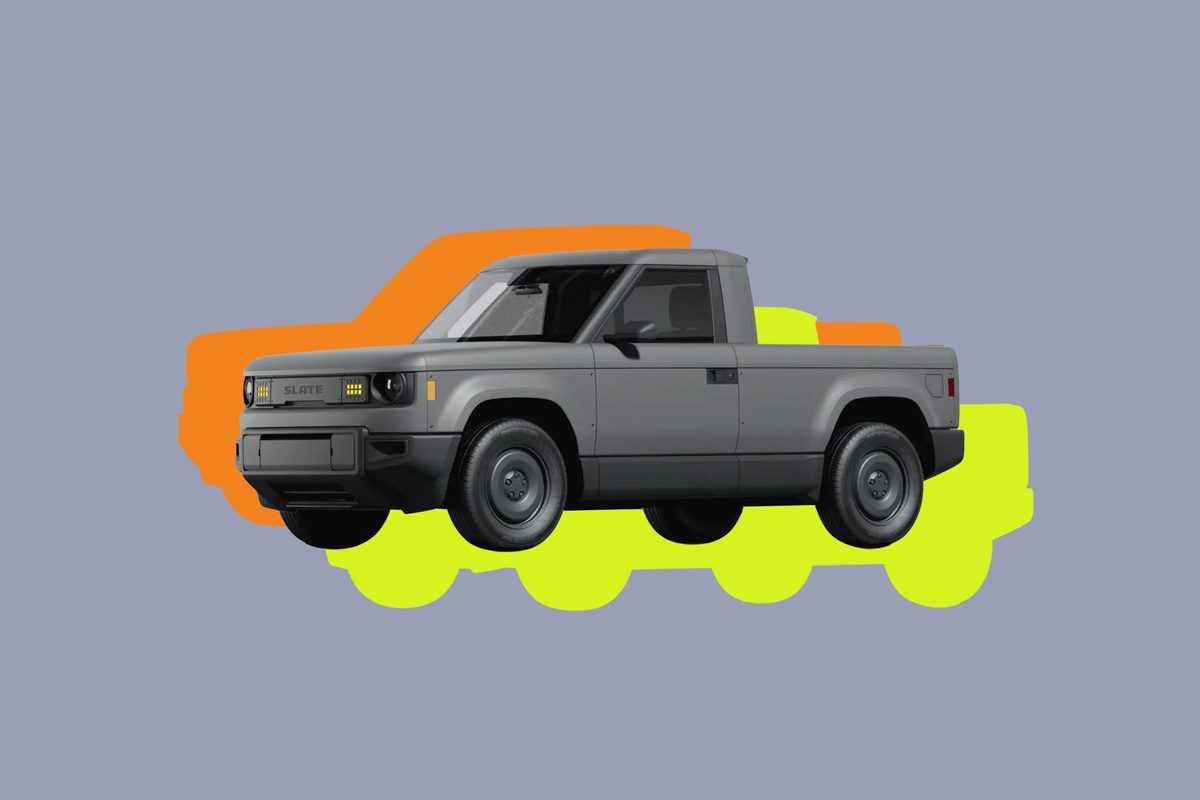
The Slate electric pickup truck has generated significant interest among electric vehicle enthusiasts and potential buyers due to its minimalist design and practical utility focus. Unlike many electric pickups pursuing high-power or heavy-duty specs, Slate aims to serve everyday users who need a reliable, simple, and efficient vehicle for light hauling and moderate towing. This article dives deeper into the Slate’s specifications, compares it with popular combustion-engine trucks like the Ford Maverick and F-150, and explores what this means for the evolving electric pickup market.
Key Details
- Horsepower: 201 hp
- Curb weight: 3,602 lbs
- Maximum payload: 1,433 lbs
- Maximum towing capacity: 1,000 lbs
- Bed length: 5 feet
- Seating capacity: 2
For comparison, the Ford Maverick hybrid offers 191 hp, payload up to 1,500 lbs, towing up to 2,000 lbs, and seats five, while the Ford F-150 with EcoBoost V6 boasts 325 hp, up to 1,775 lbs payload, and an impressive 8,400 lbs towing capacity with a seating capacity of five.
“Slate is clearly a vehicle built for everyday utility, not heavy-duty hauling,” emphasizes the manufacturer, positioning it as a practical electric option for those who don’t need extreme power or towing ability.
Background
The electric pickup truck segment is rapidly expanding, fueled by growing consumer demand for sustainable vehicles that combine utility and lower environmental impact. Major automakers like Ford and Tesla have introduced high-performance electric pickups, which often emphasize power and towing capabilities rivaling traditional combustion trucks. However, such vehicles tend to be costly and heavy, sometimes limiting their appeal for casual users.
Slate Auto, the company behind the Slate truck, appears to fill a niche for buyers seeking a no-frills electric pickup that can handle light-duty tasks without the complexity or price premium of full-size electric pickups. This approach reflects a broader trend in EV development toward diversification, where manufacturers offer vehicles tailored to various needs rather than a single, all-purpose model.
Impact Analysis
By prioritizing everyday utility, Slate may attract customers who have been hesitant to switch to electric pickups due to concerns about cost and over-specification. Its modest horsepower and towing limits suggest it’s designed for urban or suburban drivers who occasionally need a pickup’s versatility but don’t require heavy towing or large passenger capacity.
The two-seat configuration further underscores its utility-first approach, making it less suitable for families or work crews but ideal for personal use and small-scale hauling. This could reduce manufacturing complexity and cost, potentially making Slate more affordable and accessible than many competitors.
However, the limited towing capacity (1,000 lbs) pales in comparison to conventional trucks like the Ford F-150, which can tow over eight times as much. This limitation means Slate won’t replace trucks used for demanding commercial or recreational towing but offers a viable alternative for lighter, everyday tasks.
Broader Context
The electric pickup market is becoming increasingly competitive, with models ranging from high-end Tesla Cybertruck and Rivian R1T to more conventional vehicles like the Ford F-150 Lightning. Slate’s entry highlights a growing recognition that the market demands diversity, including practical, affordable options for less intensive use cases.
Furthermore, the environmental benefits of smaller electric pickups like Slate could be significant, particularly in urban areas where heavy-duty trucks are often overpowered for daily needs and contribute disproportionately to emissions and congestion.
Slate’s design philosophy also reflects shifting consumer priorities emphasizing efficiency, simplicity, and sustainability over sheer power or size, aligning with trends in urban mobility and green transportation.
Future Outlook
Looking ahead, Slate Auto’s success will depend on how well it balances price, performance, and utility. If it can deliver reliable range, charging options, and durability at an accessible price point, it could carve out a meaningful place in the electric pickup market.
Ongoing improvements in battery technology and electric motor efficiency may also enable future versions to increase towing capacity or range without sacrificing Slate’s core values. Additionally, expanding features like advanced driver assistance systems could broaden its appeal.
However, competition will remain fierce, especially from established manufacturers who continue to push the boundaries of electric truck performance and capability.
Conclusion
The Slate electric pickup represents an intriguing departure from the trend of ever-larger, more powerful electric trucks. With 201 horsepower, 1,000 lbs towing capacity, and a focus on everyday utility, it prioritizes practicality and affordability. While it won’t replace high-capacity trucks for heavy-duty work, it offers a promising option for drivers seeking a straightforward, sustainable electric pickup for light hauling and moderate towing.
As the electric vehicle landscape evolves, Slate’s niche approach could influence future designs that better reflect the diverse needs of consumers and contribute to broader adoption of electric mobility solutions in the pickup segment.