Revolutionizing Diabetes Care: Inhaled Insulin Offers New Hope for Children with Type 1 Diabetes
Introduction
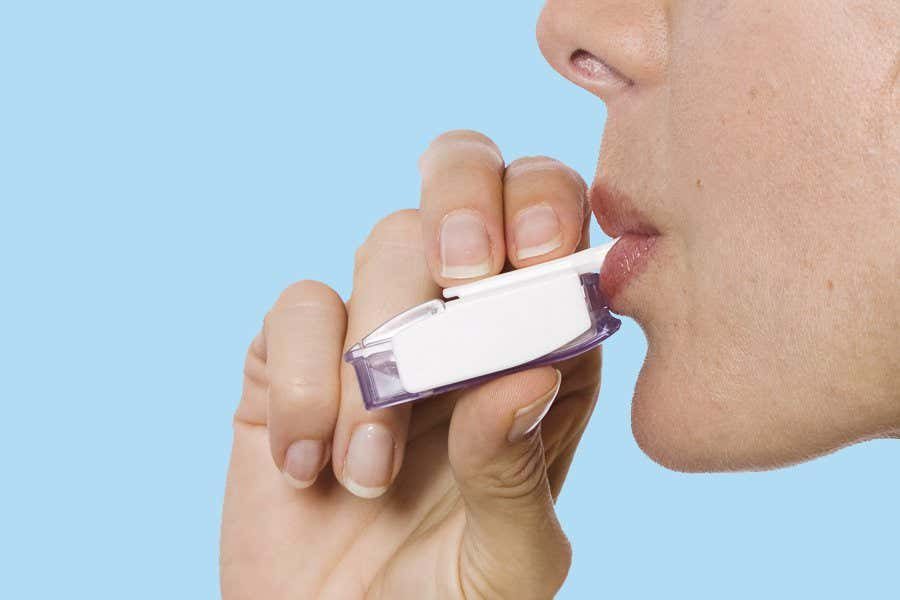
Type 1 diabetes is a chronic autoimmune condition that primarily affects children and young adults, necessitating lifelong management of blood glucose levels. Traditionally, insulin therapy involves multiple daily injections, which can be painful and intimidating, especially for young patients. Recent advances in diabetes treatment have focused on improving patient comfort and adherence. One such innovation is inhaled insulin, a needle-free delivery system that promises faster absorption and greater convenience. This article explores the effectiveness and potential impact of inhaled insulin for children living with type 1 diabetes.
Key Details
- Effectiveness: Clinical studies show inhaled insulin controls blood sugar effectively in pediatric patients.
- Speed: Inhaled insulin acts faster than traditional subcutaneous injections, offering quicker correction of high blood sugar.
- Convenience: Needle-free administration reduces fear and discomfort associated with injections.
- Patient adherence: Easier administration may improve treatment compliance among children and adolescents.
- Limitations: Not suitable for patients with chronic lung diseases; requires pulmonary function monitoring.
Background
Managing type 1 diabetes requires a delicate balance of insulin administration, diet, and exercise to maintain blood glucose within a safe range. The standard treatment involves multiple daily insulin injections or insulin pump therapy. However, the injection process can cause anxiety and physical discomfort, sometimes leading to poor compliance, particularly in children. Hypoglycemia (low blood sugar) and hyperglycemia (high blood sugar) are constant risks, making timely insulin delivery critical.
Inhaled insulin was first approved for adults over a decade ago but encountered limited use due to concerns about lung safety and dosage challenges. Advances in formulation and delivery technology have renewed interest, particularly for pediatric use. Fast-acting insulin inhalers can mimic the body’s natural insulin response more closely than traditional injections.
Analysis
The introduction of inhaled insulin represents a significant step forward in pediatric diabetes care. The ability to administer insulin without needles addresses a major psychological barrier for children, potentially reducing the burden of disease management. Faster absorption rates can help manage postprandial blood sugar spikes more effectively, minimizing complications.
However, the technology is not without challenges. Pulmonary health must be monitored carefully, and inhaled insulin may not replace injections entirely, especially in cases requiring basal insulin. Cost and insurance coverage remain factors that could affect accessibility. Long-term studies are needed to fully understand the impact on growth, lung function, and overall health outcomes.
Moreover, inhaled insulin could integrate well with continuous glucose monitoring systems and insulin pumps, offering a more flexible and patient-friendly diabetes management regimen. For families, this innovation could reduce daily stress and improve quality of life.
Conclusion
Inhaled insulin offers a promising, less invasive alternative for children with type 1 diabetes, combining effective blood sugar control with greater ease of use. While further research and monitoring are essential, this advancement has the potential to transform pediatric diabetes care by enhancing treatment adherence and reducing the emotional and physical burdens associated with injections. As technology evolves, inhaled insulin may become a key component in personalized diabetes management, improving outcomes and quality of life for young patients worldwide.