Psychedelics Don't Cause Brain Chaos, New Study Reveals
Introduction
For years, the prevailing scientific narrative surrounding psychedelics has painted a picture of neurological disarray. The common understanding was that substances like psilocybin, found in magic mushrooms, disrupt the brain’s established networks—the intricate systems responsible for everything from vision and attention to our very sense of self. These networks, typically operating with distinct patterns of communication, were thought to fragment under psychedelic influence, leading to a state of widespread, uncoordinated neural chatter. Electroencephalogram (EEG) readings often showed increased noise and complexity, reinforcing this idea of a brain thrown into chaos.
Key Details
- Study Focus: Investigating the nature of brain activity under psilocybin, challenging the “brain chaos” hypothesis.
- Participants: 62 individuals with no prior psychedelic experience.
- Substance Used: 19 milligrams of psilocybin.
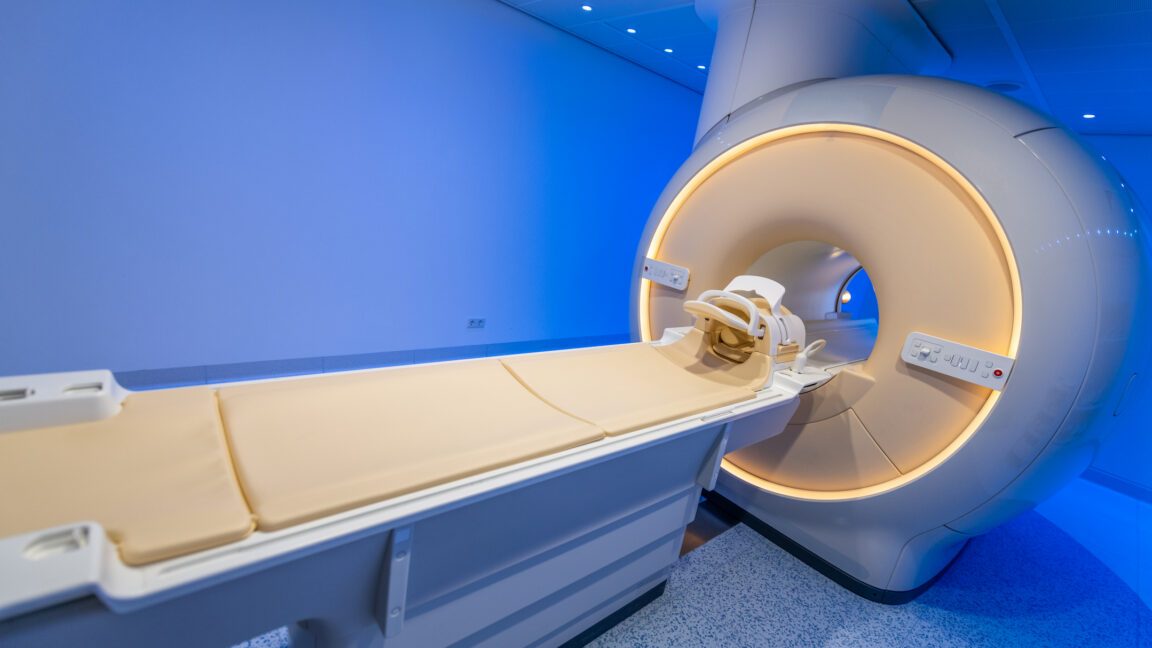
- Methodology: Brain scans (MRI and EEG) were conducted while participants were in a sober state and again after ingesting psilocybin.
- Experimental Design: Participants underwent four distinct, passive states: resting, guided meditation, listening to curated music, and watching clouds. This design aimed for “ecological validity,” mimicking an authentic psychedelic experience without cognitive tasks.
- Key Finding: Contrary to the chaos theory, psilocybin administration resulted in more organized, yet highly interconnected, brain activity.
- Journal Publication: The study was published in the prestigious journal Nature.
- Lead Researcher: Devon Stoliker, a neuroscientist at Monash University.
Background
The notion of psychedelics causing brain chaos stemmed from observations of increased neural complexity and reduced functional segregation in brain networks. This suggested that the specialized communication pathways within the brain were breaking down, allowing for a free-for-all of information exchange. While this model explained the altered states of consciousness associated with psychedelics, it struggled to account for the profound and often positive psychological shifts reported by users, such as enhanced insight, clarity, and lasting therapeutic benefits. Neuroscientist Devon Stoliker of Monash University, a lead author on the new study, found this explanation unsatisfactory. “It never really explained why an individual would have a meaningful experience, why they might have insight, why they might experience clarity, and why these might translate into positive psychological changes,” Stoliker stated.
Impact Analysis
The study, titled PsiConnect, meticulously designed an experiment to capture the brain’s state during an authentic psychedelic experience. By avoiding cognitive tasks—which can act as “grounding” mechanisms that pull individuals out of the psychedelic state—the researchers aimed to observe the brain’s natural response. Participants experienced passive states like resting, meditation, music listening, and watching visuals, both sober and under the influence of psilocybin. The AI analysis of the brain scans revealed not chaos, but a different kind of order. Instead of fragmented networks, the brain exhibited increased connectivity and a different pattern of organization. This suggests that the psychedelic state might involve a temporary breakdown of rigid, habitual patterns of thought and perception, allowing for a more fluid and interconnected way of processing information. This newfound organization, rather than chaos, could be the key to unlocking the therapeutic potential of psychedelics, facilitating novel insights and emotional processing.
“We wanted ecological validity. We wanted to know what the brain was like when somebody was having an authentic, uninterrupted psychedelic experience. If somebody took a psychedelic in a therapeutic setting, you wouldn’t have them completing tasks.” – Devon Stoliker
Broader Context
This research emerges at a critical juncture as psychedelics are increasingly being explored for their therapeutic potential in treating conditions like depression, anxiety, and PTSD. The traditional view of psychedelics as purely destabilizing agents has hindered their clinical acceptance. This new perspective, suggesting a shift towards a more organized, albeit altered, brain state, provides a more nuanced understanding that aligns better with observed therapeutic outcomes. It implies that the “loosening” of networks might not be a breakdown but a restructuring, enabling the brain to escape entrenched negative patterns and form new, healthier connections. This aligns with theories suggesting psychedelics can “reset” brain circuits that have become stuck in maladaptive loops.
Future Outlook
The findings from the PsiConnect study open up exciting avenues for future research. Understanding the specific organizational principles of the psychedelic brain state could lead to more refined therapeutic protocols. Future studies might explore how different psychedelic compounds or dosages affect brain organization, and how this relates to specific therapeutic outcomes. Furthermore, investigating the long-term effects of this altered brain organization could shed light on the enduring benefits reported after psychedelic-assisted therapy. The emphasis on ecological validity also suggests a need for more studies that capture the brain's activity in naturalistic settings, moving beyond artificial laboratory constraints. This could involve studying individuals in actual therapeutic sessions, further validating the real-world applicability of these findings.
Conclusion
The study published in Nature fundamentally challenges the long-standing “brain chaos” model of psychedelic action. By employing advanced AI analysis on brain scans of psilocybin users, researchers found that the brain does not descend into random disarray but rather adopts a more interconnected and organized, albeit different, pattern of activity. This paradigm shift offers a more plausible explanation for the meaningful and often therapeutic experiences associated with psychedelics, suggesting that their power lies not in inducing chaos, but in facilitating a temporary, flexible restructuring of neural networks. This research is pivotal for advancing our understanding of consciousness and for the burgeoning field of psychedelic medicine.
Source: arstechnica.com
.webp)