New Insights into Overuse Injuries: Inflammation’s Role in Pain and Mood Disorders Uncovered in Animal Study
Introduction
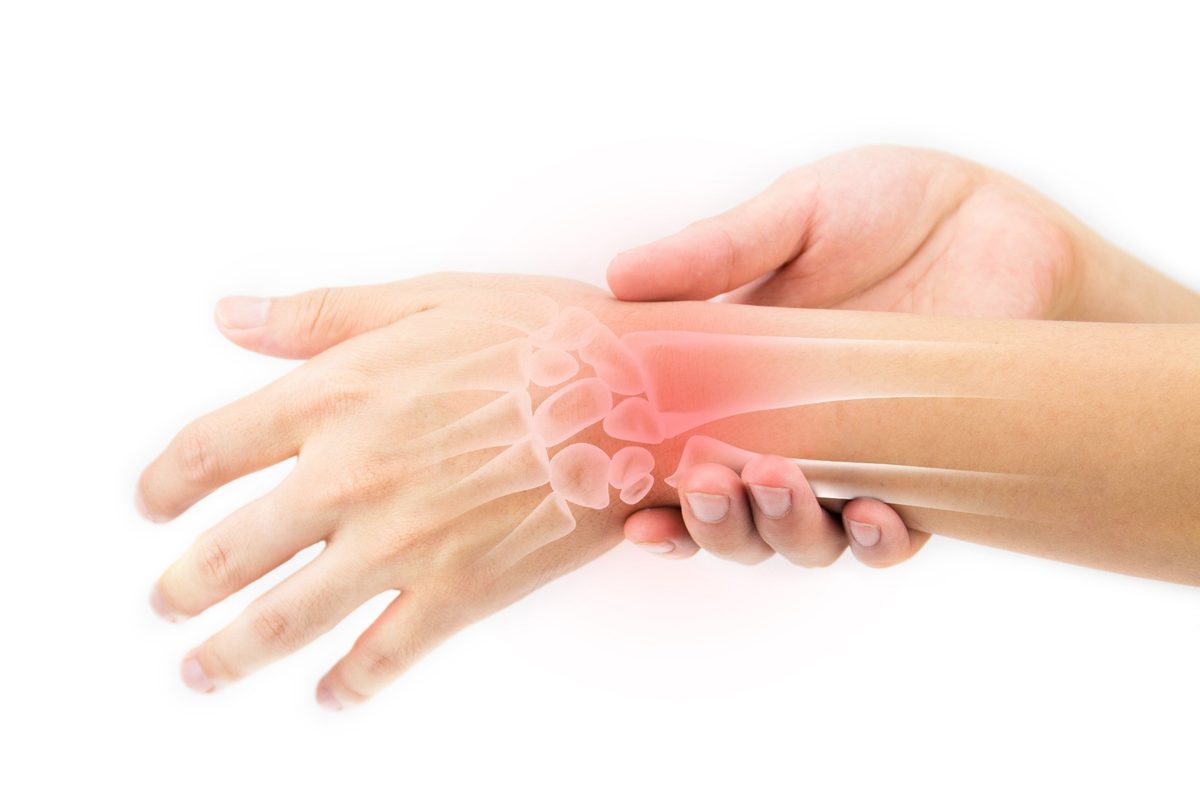
Overuse injuries, commonly resulting from repetitive motions or excessive strain on specific body parts, have long been known to cause physical pain. However, recent scientific research indicates that these injuries also trigger complex biochemical responses that affect mood and behavior. A new study on mature female rats has provided critical evidence linking overuse injuries to neuroimmune processes involving inflammation, shedding light on both the persistent pain and emotional disturbances experienced in such conditions.
Key Details
- The study involved repetitive reaching tasks imposed on mature female rats.
- The animals exhibited sustained pain-like behavior and sickness-related symptoms reflective of mood changes.
- A significant surge of the inflammatory cytokine interleukin-6 (IL-6) was observed in muscles, bloodstream, and notably, the brain.
- The findings emphasize a neuroimmune cascade where immune signals contribute to both physical and psychological manifestations of overuse injury.
Background
Overuse injuries are prevalent in both occupational and sports settings, often resulting from continuous repetitive motions without adequate rest. Conditions like tendinitis, carpal tunnel syndrome, and chronic muscle strain can lead to debilitating pain, limiting daily functioning. However, the clinical picture is often complicated by mood alterations such as depression, fatigue, and anxiety, which are less well understood. Prior studies have suggested that inflammatory molecules may play a role in linking pain with mood disorders, but the precise mechanisms remain under investigation.
Interleukin-6 (IL-6) is a cytokine involved in immune responses and inflammation, often elevated in various chronic pain conditions. Its presence in the central nervous system suggests that peripheral injuries may provoke widespread neuroimmune responses affecting not only the site of injury but also brain function, potentially altering mood and behavior.
Analysis
This rat model provides compelling evidence that repetitive physical stress triggers a systemic inflammatory reaction mediated by IL-6. The presence of IL-6 in the brain is particularly significant, as it suggests a biological pathway whereby peripheral injury leads to central nervous system changes contributing to sickness behavior—symptoms such as lethargy, reduced appetite, and altered mood commonly associated with illness.
The study enhances understanding of how overuse injuries can transcend mere mechanical damage, revealing a neuroimmune axis that sustains pain and mood disruptions even after physical healing might be expected. This neuroimmune cascade might explain why many patients with chronic overuse injuries continue to suffer from persistent symptoms that complicate rehabilitation and quality of life.
Clinically, these findings highlight the importance of addressing inflammatory processes in treating overuse injuries and suggest potential therapeutic targets such as IL-6 signaling pathways. They also emphasize the interconnectedness of physical and psychological health in chronic pain conditions.
Conclusion
In summary, the new research sheds light on the dual impact of overuse injuries through neuroimmune mechanisms involving IL-6-driven inflammation. By demonstrating persistent pain and mood-related behaviors in rats subjected to repetitive strain, the study underscores the complex biological reactions that sustain suffering beyond initial injury. These insights pave the way for more comprehensive treatment approaches that address both the physical and emotional aspects of overuse injuries, ultimately improving patient outcomes.