Microsoft Ends Xbox Movies & TV Store, Impacting Thousands of Digital Purchases
Introduction
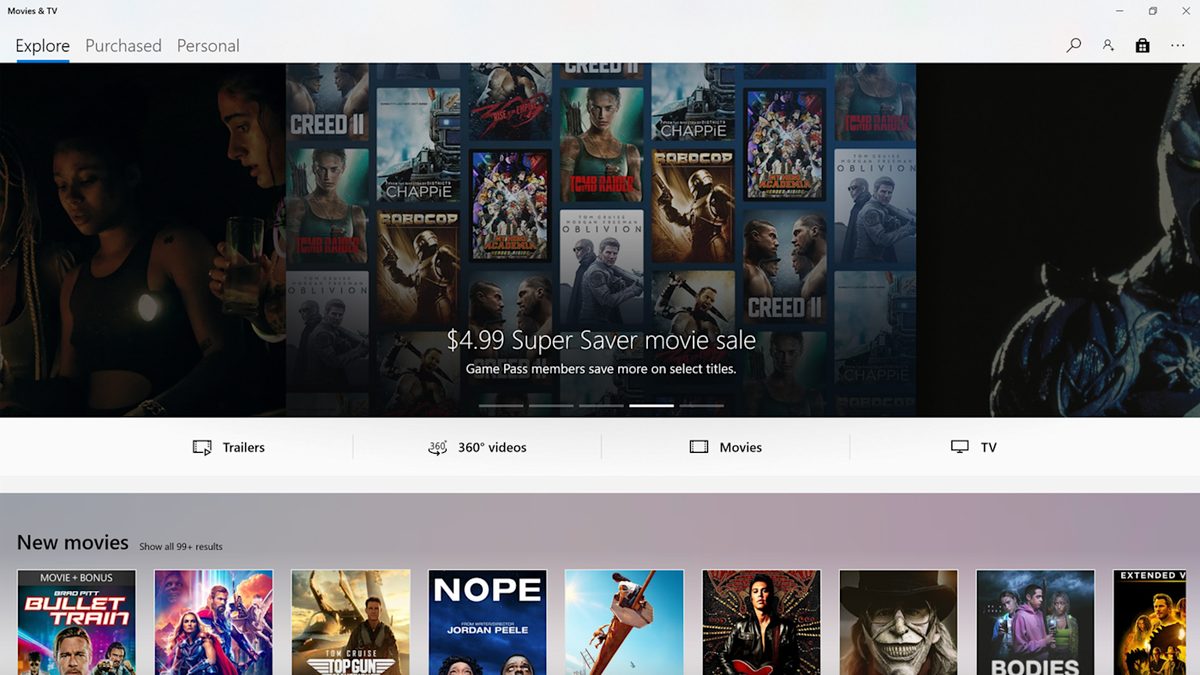
Microsoft has officially discontinued its Movies & TV app available on Xbox consoles and Windows PCs, closing off new sales and rentals of movies and TV shows through the Microsoft Store. This shift affects a digital storefront that was once a key component of Microsoft’s multimedia ecosystem, dating back to its Xbox Video launch in 2012.
Key Details
- The Movies & TV app is no longer selling or renting movies and TV shows via Xbox or Windows Microsoft Store.
- Existing purchased content remains accessible and playable in the app on both Xbox and Windows devices.
- Downloaded content continues to play in the highest supported resolution but cannot be transferred to other services.
- Microsoft recommends using third-party services like Movies Anywhere for syncing content across platforms, although this is currently only supported in the US.
- Other streaming apps such as Prime Video and Apple TV remain unaffected and fully operational on Xbox and Windows.
- No refunds are being issued for previous purchases made via the Movies & TV store.
Background
Microsoft introduced the Movies & TV app originally as Xbox Video in 2012, evolving from its 2006 Zune Video Marketplace. The service aimed to compete with Apple’s iTunes Store and Amazon’s digital content ecosystems, positioning Xbox consoles as multimedia hubs. With the Xbox One launch in 2013, Microsoft pushed a vision of the console as an all-in-one entertainment device that included gaming, streaming, and digital purchases.
Over the years, however, the digital video market has grown increasingly competitive, with major players like Netflix, Disney+, and Amazon Prime Video dominating streaming. The rise of subscription-based streaming and the decline of digital ownership models have shifted consumer behavior away from direct purchases and rentals.
Impact Analysis
This closure sends a clear message that Microsoft is stepping back from the digital movie and TV purchase market. While users retain access to their purchased content, the inability to buy new content or transfer purchases to other platforms limits the utility of the service going forward.
For users heavily invested in the Microsoft ecosystem, this means a gradual erosion of digital media convenience and ownership. It also underscores a broader industry trend moving away from transactional video-on-demand (TVOD) models toward subscription video-on-demand (SVOD) services where continuous streaming, rather than ownership, is prioritized.
The recommendation to use Movies Anywhere highlights an effort to give users some flexibility, but its US-only availability limits its usefulness internationally. Moreover, the lack of refunds may cause dissatisfaction among customers who expected longer-term service continuity.
Broader Context
Microsoft’s withdrawal from the digital content storefront coincides with the company’s renewed focus on gaming and cloud services, such as Xbox Game Pass and xCloud streaming. These subscription-based offerings align more closely with current consumer trends emphasizing access over ownership.
Additionally, the competitive landscape for digital entertainment has shifted dramatically. Streaming giants with vast content libraries and exclusive deals dominate the market, making it difficult for generalist platforms like Microsoft’s Movies & TV store to maintain relevance.
Microsoft continues to support other third-party video apps, ensuring users can access popular streaming services via Xbox and Windows, which suggests a strategic pivot from owning digital storefronts to facilitating access.
Future Outlook
Looking ahead, users should expect Microsoft to deepen its investments in gaming subscriptions and cloud infrastructure rather than digital multimedia stores. The closure reflects a broader industry movement away from digital ownership toward flexible, subscription-driven content consumption.
For consumers, this shift means adapting to new platforms and possibly migrating purchased content where possible via services like Movies Anywhere, although geographical restrictions remain a barrier.
Microsoft’s decision may also influence other technology companies to reconsider their digital content strategies, further consolidating the market around major streaming providers.
Conclusion
Microsoft’s sudden termination of the Movies & TV store marks the end of an era for its digital storefront ambitions. While purchased content remains accessible, the closure signals a pivot toward subscription and cloud-based entertainment models aligned with modern consumption trends.
"Microsoft no longer offers new entertainment content for purchase, including movies and TV shows, on Microsoft.com, Microsoft Store on Windows, and the Microsoft Store on Xbox," the company confirmed.
This move highlights the evolving nature of digital entertainment and the challenges companies face in balancing ownership and access in the streaming age.