First Mushroom Mycelium Casket Used in North America Marks Green Burial Milestone
Introduction
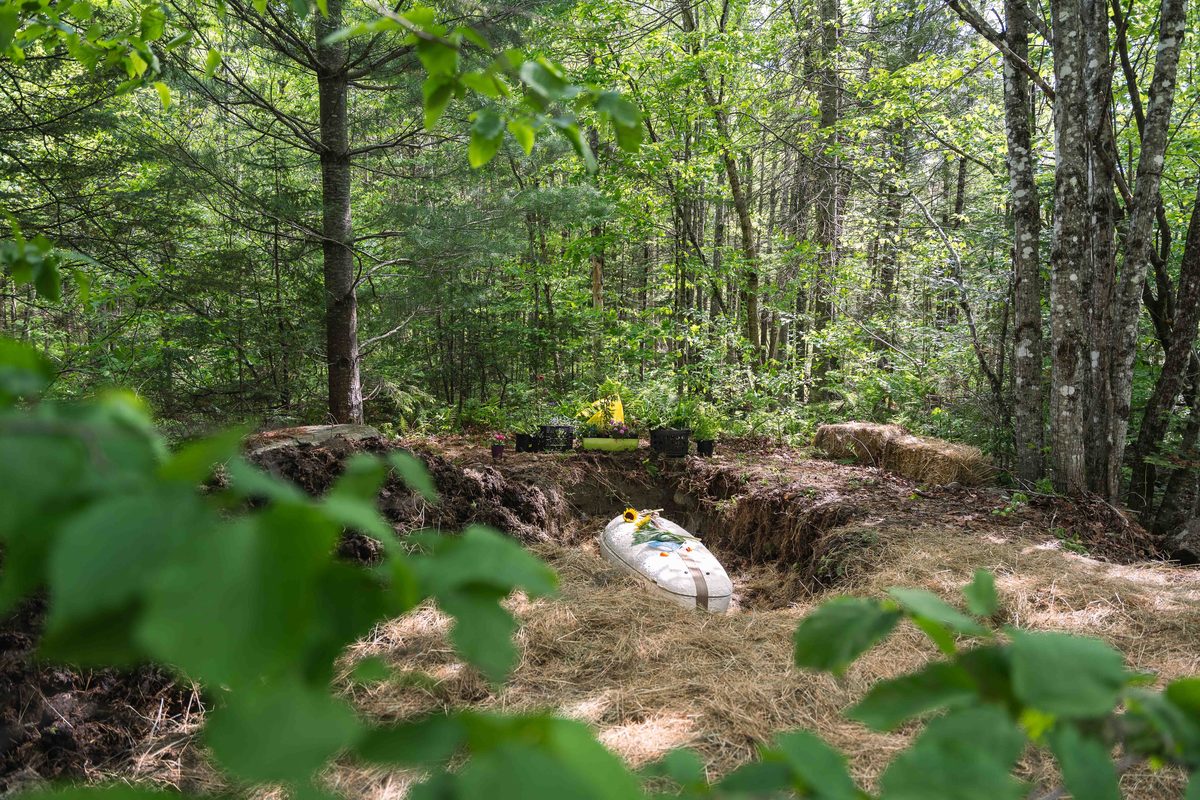
The funeral industry has long been scrutinized for its environmental impact, with traditional burial and cremation methods contributing to pollution, deforestation, and carbon emissions. However, innovative solutions aiming to reduce these impacts are emerging. One such innovation is the use of mycelium, the root-like structure of mushrooms, to create biodegradable caskets. Recently, Loop Biotech, a pioneering company in this field, achieved a historic milestone by facilitating the first burial in North America using their mycelium-based casket, known as the "Living Cocoon," in Maine.
Key Details
- Company and Product: Loop Biotech, led by founder and CEO Bob Hendrikx, developed the "Living Cocoon," a casket made entirely from mycelium.
- First North American Burial: June 2025 marked the first use of this mushroom-based casket for a burial in Maine.
- Environmental Benefit: The casket is fully biodegradable and designed to accelerate natural decomposition, minimizing environmental footprint.
- Personal Story: The deceased had expressed a wish to be buried naturally, "naked in the woods," reflecting a desire for minimal environmental disturbance.
Background
Traditional caskets are often made from hardwoods, metals, and synthetic materials that do not decompose easily, leading to long-lasting environmental damage. Additionally, embalming fluids used in conventional burials contain toxic chemicals harmful to soil and water. Cremation, though sometimes considered more eco-friendly, releases significant carbon emissions and pollutants into the atmosphere.
Green burial practices have gained momentum over the past decade, emphasizing natural decomposition without harmful chemicals or non-biodegradable materials. Mycelium-based burial products, such as Loop Biotech's Living Cocoon, represent a cutting-edge development within this movement. Mycelium is known for its strength, lightweight composition, and ability to break down organic matter efficiently, making it an ideal material for eco-conscious funerals.
Impact Analysis
The introduction of a mycelium-based casket provides several environmental and social benefits. Environmentally, the Living Cocoon decomposes rapidly, transforming the body and casket material into nutrient-rich compost that supports forest regeneration and soil health. This contrasts sharply with traditional burial materials that may take decades or centuries to break down.
Socially, the availability of such biodegradable options empowers individuals and families to make more informed and sustainable choices regarding end-of-life practices. The fact that the first North American burial using this casket took place in Maine—a state known for its natural landscapes and environmental consciousness—underscores the growing acceptance and demand for green burial options.
"He always said he wanted to be buried naked in the woods." This personal wish highlights a broader cultural shift towards valuing simplicity, sustainability, and a return to nature in death as in life.
Broader Context
Loop Biotech's innovation is part of a larger global trend towards sustainable funerals, which includes alternatives like biodegradable urns, natural burial grounds without embalming, and the use of plant-based materials. Studies have shown that green burials can significantly reduce the carbon footprint associated with funerary practices, sometimes by more than 70% compared to traditional methods.
Funding for Loop Biotech’s research and production has come from environmentally focused grants and private investments, reflecting growing interest from both the public and private sectors in sustainable death care. The company’s work has been featured in scientific journals and industry publications, underscoring the technical rigor behind these ecological innovations.
Future Outlook
As awareness and demand for sustainable end-of-life options increase, Loop Biotech and similar companies are poised to expand their market presence. Challenges remain, including regulatory approvals, cultural acceptance, and scaling production to meet broader demand. However, the successful use of the Living Cocoon in Maine signals a promising future for mushroom-based burial products.
Experts predict that within the next decade, biodegradable materials like mycelium could become a standard in the funeral industry, especially as younger generations prioritize environmental responsibility in all aspects of life and death.
Conclusion
The first North American burial using Loop Biotech’s mycelium casket marks a significant advancement in green burial practices. By combining innovation with ecological sensitivity, the Living Cocoon not only honors personal wishes for a natural final resting place but also contributes to reducing the environmental harm traditionally associated with funerals. This development reflects a broader societal shift toward sustainability and may pave the way for a more environmentally friendly approach to death care worldwide.