Live TV Streaming Services Near $80 Monthly: The 2025 Cord-Cutting Landscape
Introduction
The landscape of live TV streaming services in 2025 continues to evolve as consumers increasingly cut the cord on traditional cable and satellite subscriptions. Once touted as a cheaper and more flexible alternative, live TV streaming now often commands monthly fees exceeding $80, closing the price gap with conventional cable. Despite this, streaming platforms offer distinct advantages such as no contracts, simpler pricing structures, and the convenience of watching on smart TVs or streaming devices without additional equipment.
This analysis delves into the current top live TV streaming services, assessing their value propositions, channel lineups, and unique features. It also explores the importance of local channels, live sports coverage, on-demand content, cloud DVR capabilities, and pricing complexities that shape consumer choices in 2025.
Key Details
- Pricing: Most live TV streaming plans start around $28 and can rise to over $85 per month, with add-ons pushing costs beyond $200.
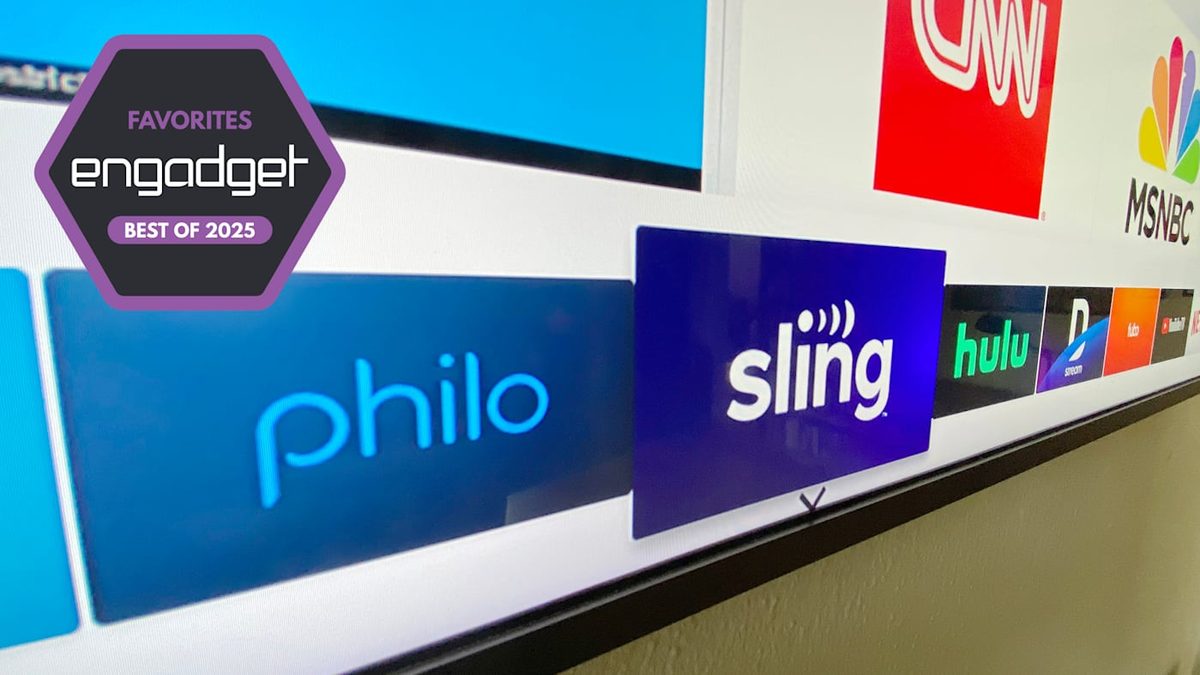
- Top Services: YouTube TV leads with 8+ million subscribers, followed by Hulu + Live TV, Sling, FuboTV, and DirecTV Stream.
- Local Channels: Nearly all major services offer local ABC, CBS, FOX, and NBC affiliates based on zip code; exceptions like Philo lack full local access.
- Sports Coverage: ESPN, Fox Sports, TNT, and local affiliates cover most major sports; streaming rights remain complex, leading to channel shuffles.
- 4K Streaming: Available on YouTube TV (with $20 add-on), FuboTV, and DirecTV Stream, though limited to select events and requiring compatible hardware.
- Free Options: Services like PlutoTV, Tubi, Freevee, and Sling Freestream offer ad-supported live TV without subscription fees, though with limited channel variety.
- Cloud DVR: Included with all services, offering unlimited or capped recording hours, enabling users to watch on their schedule and skip commercials.
- Simultaneous Streams: Plans vary widely in concurrent viewing limits, some requiring add-ons to increase streams.
- Interface Features: Picture-in-picture and multiview (multiple live streams) are available on select platforms like YouTube TV and FuboTV.
Background
The streaming revolution has dramatically shifted how audiences consume live television. Historically, cable and satellite dominated with large channel bundles and long-term contracts. Streaming services disrupted this model by offering internet-delivered linear programming combined with on-demand content and greater flexibility.
However, as streaming providers secured rights to premium content—especially sports and local channels—their pricing has increased substantially. This is partially due to expensive licensing deals and the infrastructure costs of delivering high-quality live streams nationwide. The convenience of streaming without hardware rentals or contracts still appeals to many, but the cost savings are no longer as pronounced as they were in the early days.
Impact Analysis
The rising costs and expanding content offerings of live TV streaming services impact consumer behavior and industry dynamics. Many users appreciate the absence of contract lock-ins and the ability to customize channel packages. Yet, the proliferation of add-ons and premium tiers complicates the cost comparison with traditional pay-TV.
Sports broadcasting rights remain a crucial differentiator. Exclusive deals and regional sports networks (RSNs) fragment availability, forcing some consumers to juggle multiple services or subscriptions. Emerging sports-only packages, such as DirecTV’s $70-per-month MySports and Comcast’s sports/news bundle, illustrate demand for niche offerings.
Free ad-supported streaming TV (FAST) services have gained traction as budget-conscious viewers seek alternatives. Platforms like PlutoTV, Tubi, and Freevee provide hundreds of live channels at no cost, funded by advertising. Although the selection is more limited and lacks premium content, these services broaden access and may influence subscription choices.
Broader Context
The broader media ecosystem reflects an ongoing convergence between traditional broadcasting, cable networks, and streaming platforms. Big tech companies and media conglomerates increasingly bundle content across services, blurring distinctions between linear TV and on-demand streaming. For example, Netflix’s deal with France’s TF1 to air live channels within its app signals new hybrid models.
Simultaneously, smart TV operating systems now embed free live content hubs accessible without subscriptions. Amazon Fire TV, Roku, Samsung TV Plus, and Google TV offer integrated portals with hundreds of free live channels, enhancing consumer choice.
The shift also relates to consumer preferences for convenience and personalization. Features such as cloud DVR, multiple user profiles, and multi-screen viewing address demands for flexible, user-centric experiences. Yet, the complexity of packages and pricing can deter potential subscribers overwhelmed by options.
Future Outlook
Looking ahead, live TV streaming services are expected to continue expanding channel lineups, improving interface usability, and innovating with features like multiview and 4K streaming. However, consumers may face escalating costs as rights holders leverage their content for premium pricing.
The emergence of sports-specific packages and bundled offerings from traditional cable companies indicates a segmentation of the market. Meanwhile, free ad-supported services will likely grow in popularity, especially among viewers who prioritize cost over comprehensive channel access.
Technological advances, such as improved streaming compression and broader availability of high-speed internet, may enhance user experiences and accessibility. Additionally, ongoing partnerships between streaming platforms and broadcasters could redefine how live TV is packaged and presented.
Conclusion
While live TV streaming in 2025 is no longer the bargain it once was, it remains a compelling alternative to cable and satellite due to flexibility, ease of use, and customizable options. YouTube TV stands out as the most balanced service for those seeking wide channel coverage, including local stations and sports.
Consumers considering cutting the cord should carefully evaluate their viewing priorities, budget constraints, and desired features. With a complex ecosystem of paid, niche, and free services, selecting the optimal live TV streaming solution requires balancing cost, content, and convenience.
"Now that most subscriptions go for more than $80 per month, live TV streaming is not the amazing deal it once was." — Engadget review, 2025