Kindness Persists: Reader Stories Affirm the Power of Small Connections
Introduction
In an era often perceived as increasingly disconnected, a recent exploration by NPR has unearthed compelling evidence that kindness is not only surviving but thriving. Building upon earlier research by psychologist Gillian Sandstrom, which demonstrated the profound impact of even fleeting interactions on individual well-being, NPR invited its readers to share their own experiences. The response has been overwhelming, painting a vibrant picture of human connection and empathy in everyday life. These stories, ranging from brief exchanges with vendors to sustained acts of compassion, underscore a fundamental truth: small gestures can have a significant and lasting impact.
Key Details
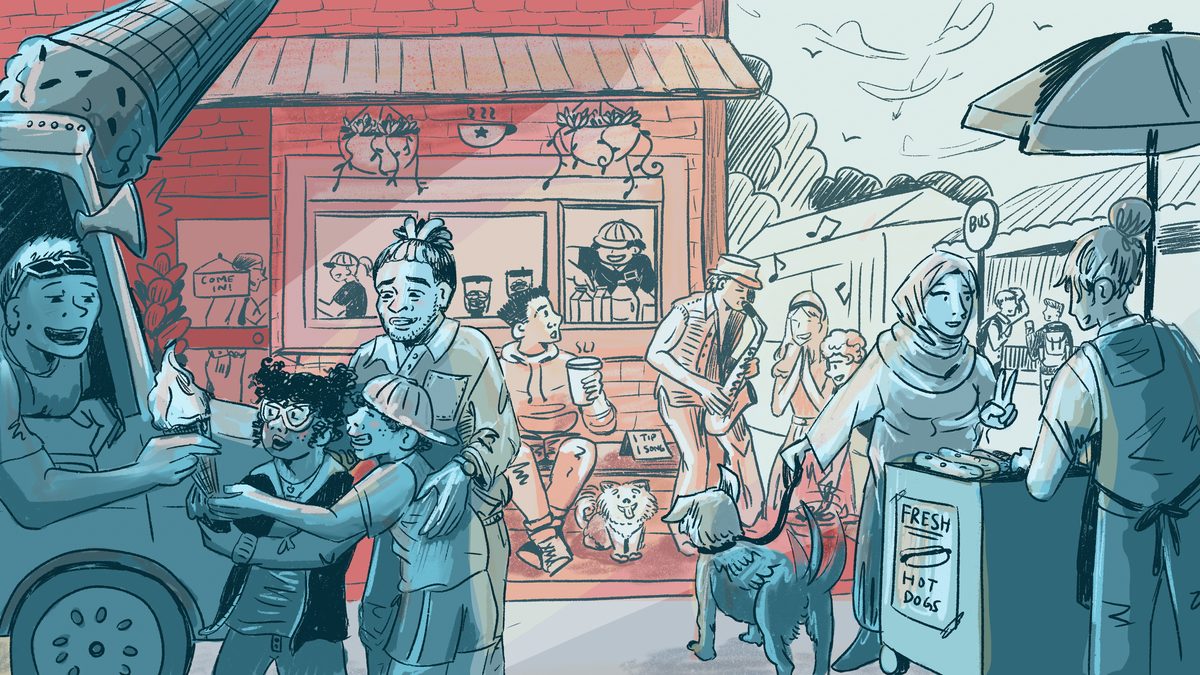
- Gillian Sandstrom's Research: Initially sparked by her own experience as a lonely graduate student, Sandstrom's work highlights how casual encounters, like daily greetings with a hot dog vendor, can boost mood, ease isolation, and foster a sense of community.
- Kristin Jenkins's Students: Inspired by NPR's story, Professor Kristin Jenkins assigned her university students to intentionally engage with strangers. The students found the experience highly enjoyable and reported positive outcomes, mirroring Sandstrom's findings.
- Reader Submissions: NPR received numerous reader stories, including:
- A woman whose mother, despite living with chronic pain from polio, volunteers weekly at nursing homes and hospitals with her dogs, delivering handwritten cards and gifts.
- A Kenyan reader who struck up a 15-minute conversation with a stranger over a T-shirt acronym, leaving both smiling.
- An individual who extends kindness not just to humans but also to animals and nature, offering greetings to hawks and compliments to flowers.
- Michelle Sarnosky's account of comforting a distressed woman at a corporate event registration desk by offering tissues and a listening ear, an interaction that proved mutually beneficial.
- Anita Finley Derr's experience in a new town where walking her puppy became a catalyst for meeting neighbors and building friendships.
- Cordelia Biddle's poignant story of receiving an unexpected, compassionate hug from a UPS employee after informing her of her brother's recent death.
- Donald Pederson's consistent practice of chatting with strangers in various everyday settings, believing everyone has a story to tell.
Background
The narrative began with NPR's investigation into the state of kindness, questioning its prevalence in modern society. This inquiry was rooted in the scientific research of psychologist Gillian Sandstrom. Sandstrom's own journey into studying ‘weak ties’—the connections we have with acquaintances rather than close friends—started during her graduate studies. She observed that simple, repeated interactions, such as daily greetings with a street vendor, significantly improved her mood and sense of belonging, even without deeper engagement. This personal revelation led to formal research confirming that these seemingly minor social exchanges can have a powerful positive effect on psychological well-being, combating loneliness and strengthening social cohesion.
Impact Analysis
The impact of NPR's initial story and subsequent call for reader submissions has been twofold. Firstly, it has validated and amplified the scientific findings of researchers like Sandstrom, demonstrating that the positive effects of casual social interactions are widely experienced and recognized. Secondly, it has actively encouraged and inspired individuals to engage in similar acts of kindness. The reader stories provide concrete examples of how these small gestures—a listening ear, a shared smile, a moment of empathy—can transform someone's day, alleviate distress, and foster a sense of connection. The shared experiences suggest that actively seeking or being open to these interactions can lead to unexpected friendships and a greater sense of community, often benefiting both the giver and the receiver.
Broader Context
In the larger societal context, these anecdotes serve as a powerful counter-narrative to prevailing sentiments of division and isolation. While global events and digital communication can sometimes foster a sense of distance, the NPR reader stories highlight the enduring human need for connection and the innate capacity for empathy. This exploration taps into the growing body of research on prosocial behavior and its benefits, not just for recipients but also for the individuals performing acts of kindness. It suggests that fostering a culture of small kindnesses can be a grassroots approach to improving collective mental health and strengthening the social fabric, one interaction at a time.
Future Outlook
The sustained interest in the topic of kindness suggests a continued desire for positive human connection. As more people become aware of the significant benefits of small social exchanges, there is potential for these practices to become more commonplace. Future research might explore scalable ways to encourage these interactions in diverse settings, such as workplaces, public transportation, and online communities. The NPR initiative, by crowdsourcing these positive experiences, has created a valuable repository of inspiration that can encourage individuals to be more mindful of their interactions and to actively participate in building a more compassionate society. The ongoing success of segments like NPR’s “My Unsung Hero” further indicates a public appetite for stories that celebrate everyday acts of goodness.
Conclusion
The overwhelming response to NPR's call for stories about kindness definitively answers the question posed: kindness is not lost; it is actively practiced and deeply valued by individuals across the globe. The reader submissions, corroborated by psychological research, confirm that even the most minor positive interactions can profoundly impact well-being, reduce feelings of isolation, and strengthen our sense of community. These personal accounts serve as powerful reminders that empathy and connection are fundamental human needs, readily expressed through simple, everyday gestures. The initiative underscores the idea that fostering a kinder world begins with individual actions and a willingness to connect, proving that small acts truly do matter.
Source: npr.org