Jordan Roth's Acting Debut in 'The Shards' Explores the Pain of Unseen Ambition
Introduction
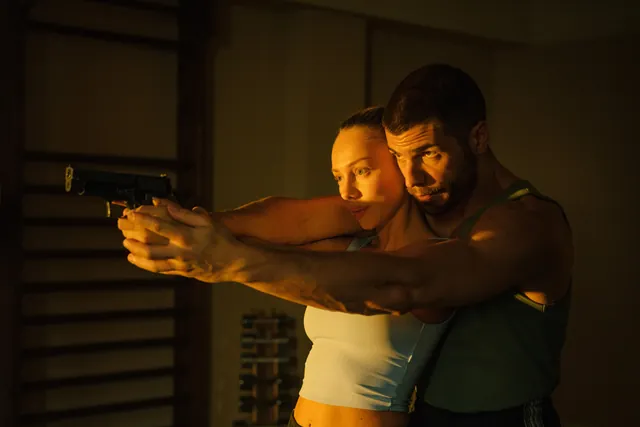
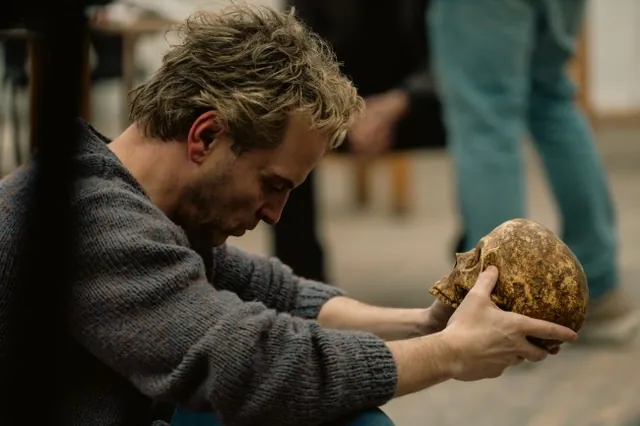
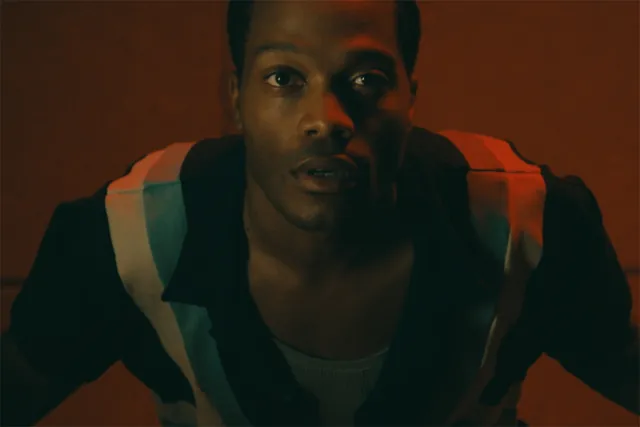
The highly anticipated season finale of FX's 'The Shards,' an adaptation of Bret Easton Ellis' novel, has left audiences on the edge of their seats, concluding with a shocking murder and a host of potential culprits. Amidst the dramatic twists, Tony-winning producer Jordan Roth makes his acting debut as Steven, the enigmatic assistant to the murdered producer Terry Schaffer (Wes Bentley). Roth's performance, particularly in the finale, has been noted for its subtle intensity and strategic portrayal of a character who is both overlooked and potentially dangerous. This debut marks a significant personal and professional moment for Roth, allowing him to explore themes of ambition, recognition, and the artist's struggle through a character that resonates deeply with his own journey.
Key Details
- Jordan Roth, known for his prolific producing career, makes his on-screen acting debut as Steven in FX's 'The Shards.'
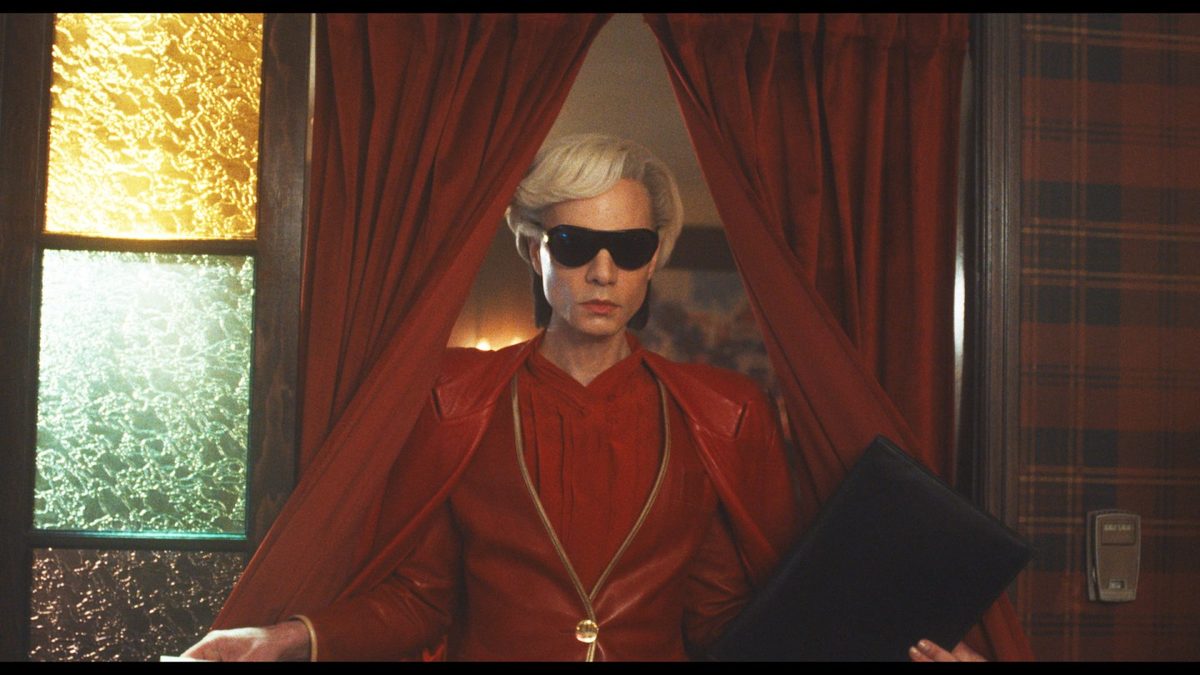
- The character Steven is an assistant who is consistently underestimated but strategically observes and manipulates those around him.
- Roth describes Steven as an artist whose pain stems from his talent and ambition going unrecognized, a sentiment he relates to his own past struggles.
- The finale, set to The Go-Go's “Our Lips Are Sealed,” positions Steven as a potential suspect in the murder of Terry Schaffer, showcasing his capacity for darker impulses.
- Roth collaborated with showrunner Ryan Murphy and the costume department to craft Steven's distinctive visual style, inspired by European runways and musicians like Sylvian and David Bowie.
- Roth sees a “beautiful irony” in his kinship with Steven, as both have experienced the pain of being unseen and the drive to prove themselves.
Background
'The Shards' delves into the complex dynamics of a group of wealthy, elite high school students in the 1980s, exploring themes of power, sexuality, and identity. The series adaptation, spearheaded by Ryan Murphy, deviates from the novel in some aspects to expand the narrative. The season finale, “Stairway to Heaven,” culminates in the murder of producer Terry Schaffer, leaving the audience to question which of the characters is responsible. Steven, initially appearing as a background figure, emerges as a significant player, his calculated demeanor and sharp observations hinting at a deeper, more complex nature. Roth, a well-established figure in the theater and entertainment world, brings a unique perspective to his first major television role, drawing parallels between his own career trajectory and Steven's yearning for recognition.
Impact Analysis
Roth’s portrayal of Steven is pivotal to the show's exploration of ambition and the consequences of being overlooked. Steven’s journey from a seemingly subservient assistant to a potential killer highlights the show’s darker themes of coming-of-age and the duality of human nature. Roth notes that Steven’s resilience, often masked by a persistent optimism, is a key aspect of his character. Despite repeated rejections and dismissals, Steven continues to present his ideas and efforts with the hope that they will finally be seen and appreciated. This relentless pursuit, however, can also manifest as rage and scheming, making him a compelling and unpredictable character. Roth’s personal connection to this struggle—the deep-seated desire to be recognized for one's talents—adds a layer of authenticity to his performance, making Steven’s plight resonate beyond the fictional narrative.
Broader Context
The series taps into the broader cultural conversation surrounding ambition, visibility, and the often-unseen labor that drives creative industries. Steven’s character embodies the struggle of individuals who work behind the scenes, whose contributions are essential but rarely acknowledged. Roth himself, despite his immense success as a producer and theater owner, shares this experience of wanting to be seen as an actor. He explains, “I, too, for a very long time, experienced knowing I can do this. I know I’m an actor. I trained as an actor as a young person. This was always my plan and ambition.” Ryan Murphy’s decision to cast Roth in this role, and to give him lines like “I am an artist. I am a professional. I have something to offer and something to say,” directly addresses this shared experience. It’s a meta-commentary on the nature of artistic pursuit and the universal yearning for validation.
Future Outlook
With the season finale leaving Steven’s true role in the unfolding drama ambiguous, Roth is eager for a potential second season to further explore his character's complex psyche. He expressed his hope that Steven will get the opportunity to “knock on that door as loudly as he possibly can” and be recognized. For Roth himself, this acting debut signifies a new chapter. While he has numerous producing projects lined up, including the musical 'Galileo,' he states, “there is no turning back now” regarding his acting aspirations. He is keen to take on roles that allow him to explore a wide range of human experiences, particularly those with “scale,” drawing inspiration from directors like David Lynch and artists like Tilda Swinton. The success of his debut suggests a promising future for Roth in acting, potentially allowing him to balance his established producing career with a burgeoning acting career.
Conclusion
Jordan Roth’s acting debut in 'The Shards' is more than just a new venture; it's a profound exploration of the artist's journey, marked by the pain of unfulfilled ambition and the relentless drive for recognition. His portrayal of Steven, a character who mirrors his own past struggles, offers a compelling narrative arc that resonates with themes of visibility and validation. As Roth steps further into his acting career, his unique perspective, honed by years of experience behind the scenes, promises to bring depth and authenticity to future roles. The "beautiful irony" he finds in his connection with Steven underscores the universal human experience of striving to be seen and heard, a theme that 'The Shards' masterfully brings to light.
Source: hollywoodreporter.com