Hawaii's Coffee Industry Faces Unintended Fallout from Trump Tariffs
Introduction
The imposition of steep tariffs on key coffee exporting countries by the Trump administration has sparked concern among Hawaii’s small but renowned coffee farming community. While aimed at addressing trade imbalances with global giants like Brazil, these tariffs may inadvertently threaten the livelihood of Hawaii’s coffee producers by raising costs and complicating supply chains.
Key Details
- President Trump’s tariffs target major coffee exporters, most notably Brazil, the world’s largest coffee producer.
- Hawaiian coffee farms are few in number but produce premium coffee varieties prized worldwide.
- Local farmers rely on imported equipment, processing materials, and sometimes complementary coffee beans from abroad.
- Tariffs can increase operational costs, leading to higher prices for consumers and potentially lower sales.
- Trade tensions could lead to retaliatory tariffs, further complicating the market for Hawaiian growers.
Background
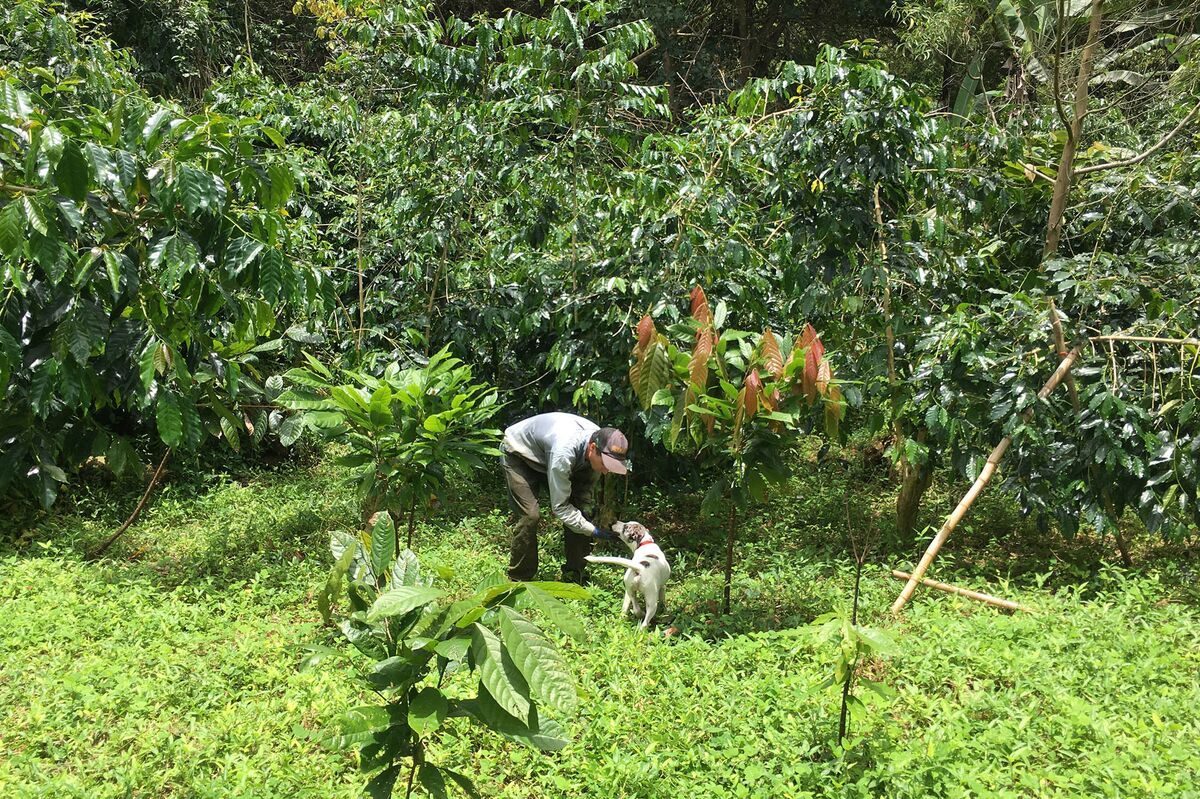
Hawaii’s coffee industry, centered primarily on the Kona region of the Big Island, is unique within the United States. Unlike mass-produced coffee from Brazil or Vietnam, Hawaiian coffee is largely artisanal, cultivated on small family farms with a reputation for quality rather than quantity. However, the industry is sensitive to global market fluctuations, including commodity coffee prices and international trade policies.
Since early 2018, the Trump administration has implemented tariffs on a range of goods imported from countries with which the U.S. has trade deficits. Brazil, a cornerstone of the global coffee market, has been subject to these tariffs, which has led to increased costs for coffee-related goods and uncertainty in supply availability.
Analysis
The tariffs’ impact on Hawaiian coffee farmers is multifaceted. Firstly, although Hawaii produces some of the world’s finest coffee, it is not self-sufficient in all parts of its production process. Many farmers import machinery parts, fertilizers, and processing equipment affected by tariffs, raising their input costs. Secondly, some producers blend Hawaiian coffee with imports from countries like Brazil to meet demand, a practice that may become more expensive or less viable under current trade restrictions.
Moreover, higher retail prices resulting from increased costs might deter consumers. The global coffee market is highly competitive, and even minor price hikes can shift purchases toward cheaper alternatives. For Hawaii’s boutique coffee growers, maintaining their market niche depends on balancing quality with accessible pricing.
Trade tensions also pose risks of retaliatory tariffs that could affect Hawaiian exports, including coffee and other agricultural products. While Hawaii’s coffee is a premium export, the small scale of the industry means it could be disproportionately affected by shifts in trade policy.
Conclusion
Hawaiian coffee farmers find themselves caught in the crossfire of broader geopolitical trade conflicts. Although tariffs aim to protect domestic industries and address trade imbalances, the ripple effects on niche agricultural sectors like Hawaii’s coffee industry highlight the complexities of such measures. Policymakers should consider the nuanced impacts on small producers who contribute to the U.S. economy through specialty exports before imposing broad tariffs. For Hawaii’s coffee farmers, balancing tradition, quality, and economic viability remains a significant challenge amid an uncertain global trade environment.