Invasive Aedes aegypti Mosquitoes Breeding in London: Low Immediate Threat, Rising Climate Concern
Introduction
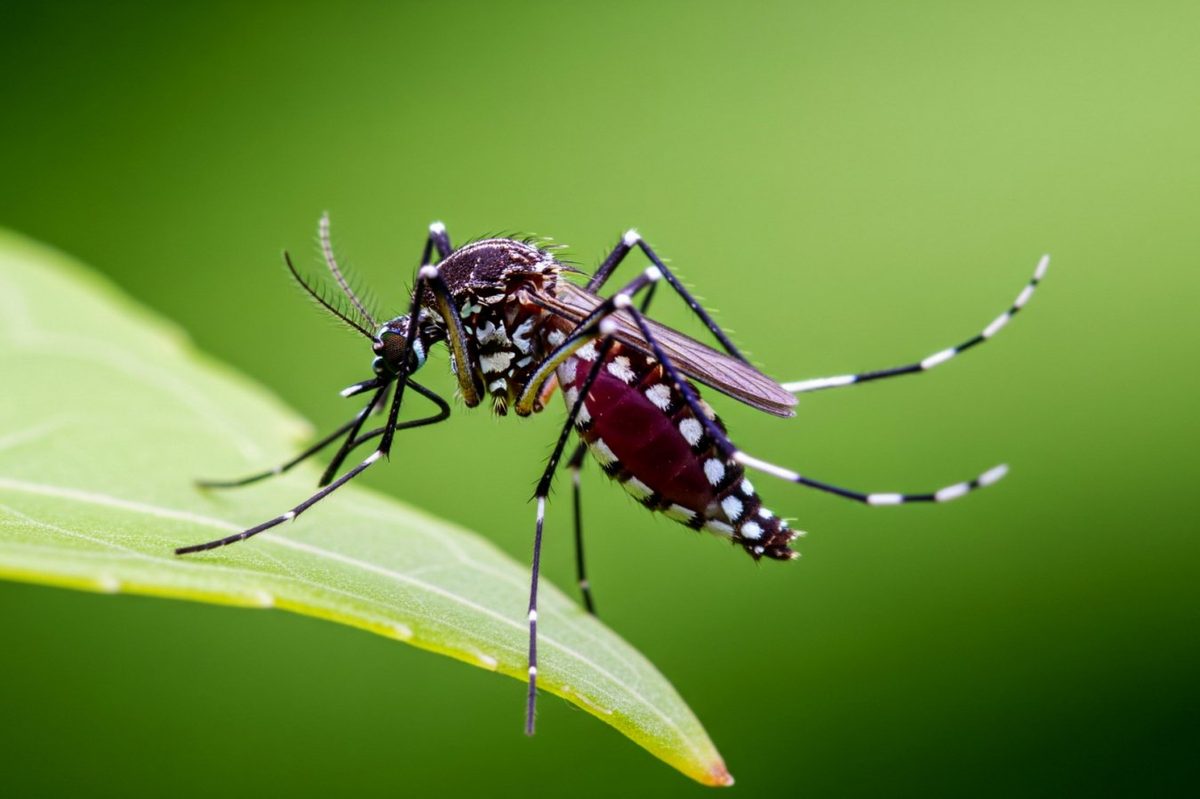
The discovery of invasive Aedes aegypti mosquitoes breeding in residential areas of east London marks a significant development, raising questions about the potential for mosquito-borne diseases in the UK. While the UK Health Security Agency (UKHSA) has stressed that the immediate threat to public health remains very low, the finding serves as a stark reminder of the interconnectedness of global health, climate change, and invasive species.
Key Details
- Species Detected: Aedes aegypti mosquitoes and their larvae.
- Location: Residential properties in east London.
- Significance: This is the first confirmed instance of this species breeding in the UK, although it has been detected previously.
- Disease Transmission Capability: Aedes aegypti are known vectors for dengue, chikungunya, yellow fever, and Zika viruses.
- Current Threat Level: UKHSA assesses the public health threat as very low, with no evidence of local transmission of diseases.
- Control Measures: Larvae have been destroyed, and the area is under close monitoring.
- Reporting: The discovery was made through the government’s Mosquito Watch scheme.
Background
Aedes aegypti mosquitoes are native to North Africa but have spread globally, thriving in tropical and temperate climates. Their ability to adapt to human environments and breed in small amounts of standing water makes them particularly successful invaders. Unlike many native UK mosquito species, which are primarily a nuisance, Aedes aegypti pose a direct health risk due to their capacity to transmit serious viral pathogens. The UK has seen sporadic detections of this species in recent years, often attributed to accidental importations via travel or trade, such as hitchhiking in vehicles or on imported plants. However, previous findings did not indicate established breeding populations.
Impact Analysis
The primary concern surrounding Aedes aegypti is their role as vectors for debilitating diseases. Dengue fever, for instance, causes severe flu-like illness and can lead to severe dengue, a potentially fatal complication. Chikungunya causes fever and severe joint pain, while Zika virus has been linked to birth defects like microcephaly in infants born to infected mothers. Although the mosquitoes found in London have not been shown to carry or transmit any infections to humans, their successful breeding indicates that the conditions in the UK may be becoming more conducive to their survival and proliferation. This is particularly worrying given the recent record-breaking hot summer in the UK, which likely provided a favourable environment for the mosquitoes to establish a breeding cycle.
“The discovery of their presence should be seen as an “early warning rather than an immediate public-health threat”,” stated César López-Camacho from the University of Oxford.
Broader Context
This event occurs against a backdrop of global climate change, which is demonstrably altering the geographical ranges of disease vectors. Warmer temperatures accelerate the life cycle of mosquitoes and the replication rate of viruses within them, increasing the potential for transmission. Europe has already witnessed an increase in mosquito-borne diseases, with recent reports of locally transmitted dengue, West Nile virus, and chikungunya across the continent, including in France. A study published earlier this year highlighted the adaptability of the Asian tiger mosquito, another invasive species, to transmit chikungunya over extended periods in Europe due to warming trends. The detection of West Nile virus in UK mosquitoes last year further underscores the evolving landscape of vector-borne disease risk.
Future Outlook
While current UK climate conditions are still considered too cold for Aedes aegypti to establish long-term, year-round breeding populations, the trend of rising global temperatures poses a growing threat. Continued warming could eventually make larger parts of the UK suitable for these mosquitoes. Public health authorities are focused on preventing invasive species from gaining a foothold to minimise the risk of disease transmission. Individuals can play a crucial role by eliminating potential breeding sites around their homes, such as standing water in plant saucers, gutters, and pet bowls. Reporting sightings through schemes like Mosquito Watch is also vital for early detection and intervention.
Conclusion
The breeding of Aedes aegypti in London is a significant event that warrants attention, not as an immediate crisis, but as a harbinger of future challenges. It underscores the tangible impacts of climate change on public health and the importance of robust surveillance and control measures for invasive species. While the risk of contracting dengue, Zika, or chikungunya from mosquitoes in the UK remains low for now, proactive measures by both authorities and the public are essential to mitigate the escalating threat in a warming world.
Source: newscientist.com