Intensifying Nor'easters Pose Growing Threat to New England Amid Rising Sea Temperatures
Introduction
Nor'easters are a defining feature of New England’s winter climate, bringing heavy snow, powerful winds, and coastal flooding. Recent scientific observations indicate that these storms are becoming more intense, driven largely by rising sea surface temperatures in the Atlantic Ocean. This trend mirrors the increasing strength of hurricanes further south and signals shifting weather patterns with significant implications for the northeastern United States.
Key Details
- Rising Sea Surface Temperatures: Warmer ocean waters provide more energy and moisture, fueling stronger and more prolonged Nor'easter events.
- Storm Characteristics: Nor'easters deliver a mix of snow, rain, and wind, often causing widespread disruptions including power outages and coastal erosion.
- Geographic Focus: New England states—Maine, New Hampshire, Vermont, Massachusetts, Rhode Island, and Connecticut—are particularly vulnerable to these storms.
- Comparison with Hurricanes: Like hurricanes, Nor'easters draw strength from ocean heat, but they typically occur in colder months and affect different areas.
- Climate Change Influence: Global warming intensifies ocean temperatures, indirectly amplifying storm severity and frequency.
Background
Nor'easters owe their name to the strong northeast winds that power them. They form when cold Arctic air clashes with warmer air over the Atlantic Ocean, typically between October and April. These storms can deliver blizzard conditions, heavy rainfall, and coastal flooding, often crippling infrastructure and impacting millions.
Over the last several decades, research has shown a gradual increase in Atlantic sea surface temperatures. Scientific consensus links this warming primarily to human-driven climate change. As the ocean warms, it releases more moisture into the atmosphere, creating conditions favorable for more intense storms.
Analysis
The increasing power of Nor'easters is part of a broader pattern of climate change effects on extreme weather. While hurricanes have been closely studied and documented as becoming stronger and more frequent, less attention has historically been given to Nor'easters. However, the underlying dynamics are similar: warmer waters feed more energy into developing storm systems.
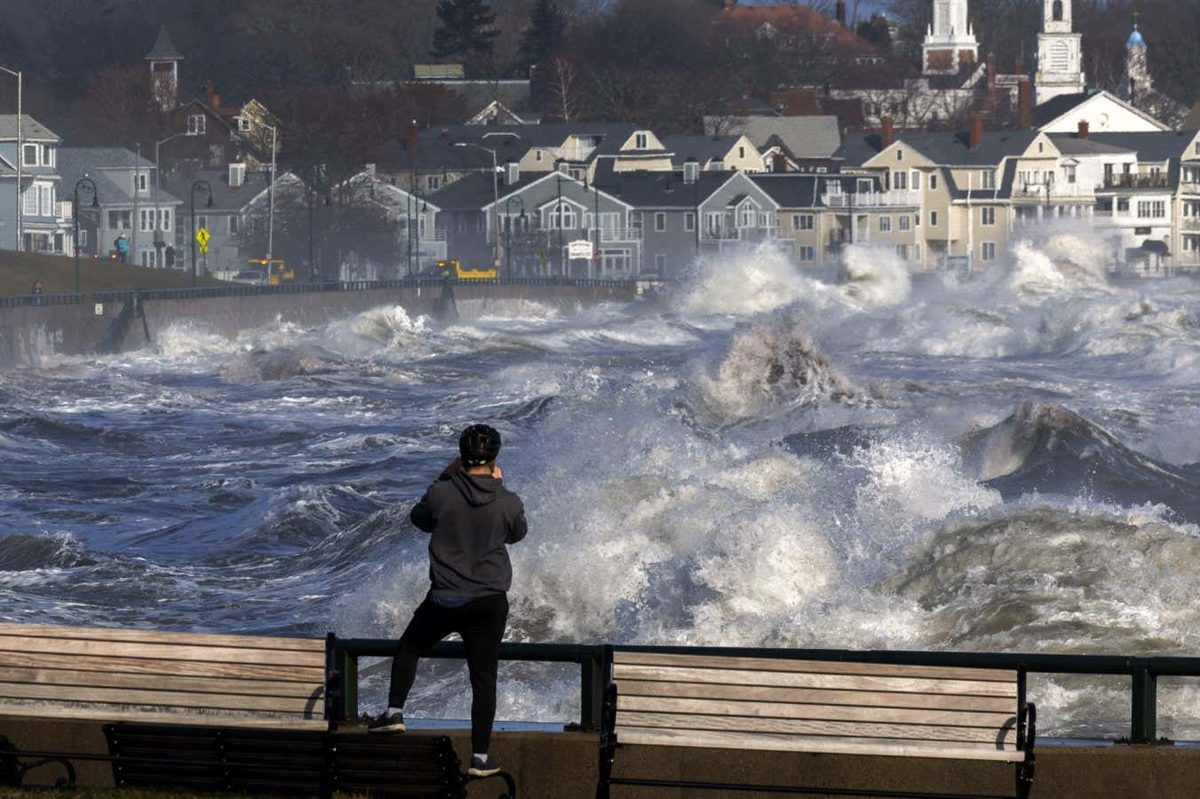
This intensification poses multiple risks. Coastal areas face heightened flooding from storm surges, while inland communities must prepare for heavier snowfalls and gusty winds, straining emergency services and infrastructure. Moreover, the timing of these storms aligns with winter months, which complicates recovery efforts.
Adaptation strategies are crucial. Improved forecasting models, upgraded infrastructure, and community preparedness programs can mitigate the worst impacts. Policymakers and scientists emphasize the need to address root causes by reducing greenhouse gas emissions to slow ocean warming and, by extension, storm intensification.
Conclusion
As Nor'easters grow stronger, New England confronts escalating challenges related to winter storm hazards. Rising sea surface temperatures, a direct consequence of global climate change, are a key driver of this trend. Understanding these dynamics is essential for developing effective responses and safeguarding communities against increasingly severe weather events. The evolving nature of Nor'easters underscores the urgent need for climate mitigation and adaptation efforts in the northeastern United States.