Inside "The China Show": Unpacking the Pulse of the World's Second-Largest Economy
Introduction
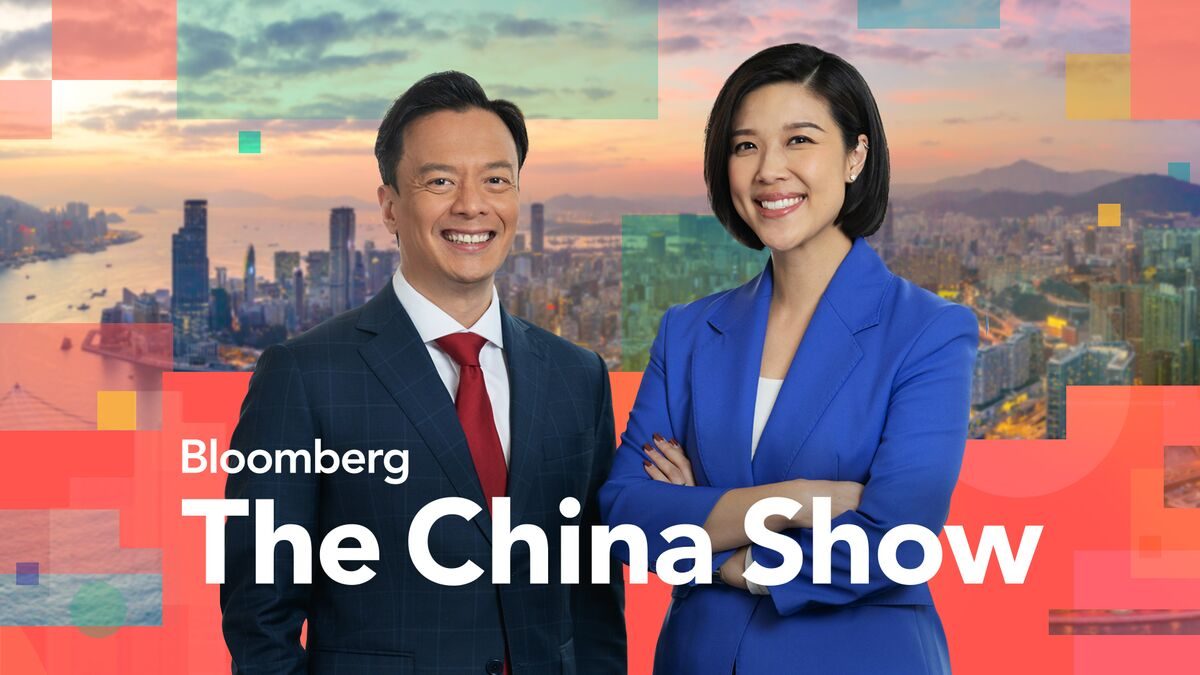
Bloomberg's "The China Show" has quickly established itself as a pivotal platform for understanding the complexities of China, currently the world's second-largest economy. Hosted by Yvonne Man and David Ingles, the program delves deep into the country's multifaceted landscape, covering a spectrum from political developments and economic policies to technological innovation and emerging market trends. This show serves as a crucial resource for global investors, policymakers, and anyone interested in China's trajectory on the world stage.
Key Details
- Hosts: Yvonne Man and David Ingles, both seasoned journalists with extensive expertise in China's economy and global affairs.
- Content Scope: The show spans a wide range of topics including politics, economic reforms, technology advancements, market trends, and regulatory changes.
- Audience: Targeted primarily at global investors, financial analysts, and decision-makers who require up-to-date and in-depth understanding of China's dynamic market environment.
- Format: Features interviews with influential newsmakers, expert analysis, and detailed discussions that unpack the implications of current events in China.
Background
China’s economic rise over the past four decades has transformed it from a largely agrarian society into a global manufacturing powerhouse and a key player in international trade. As the world’s second-largest economy, China’s domestic policies and international strategies significantly influence global markets. Over recent years, China has also been a leader in technological innovation, especially in areas such as 5G, artificial intelligence, and renewable energy. However, the country faces challenges including regulatory shifts, geopolitical tensions, and economic rebalancing efforts. "The China Show" provides a timely and nuanced perspective on these developments, helping audiences make sense of rapid changes.
Analysis
Understanding China’s economic and political environment is critical in the current global context. The nation's policy directions, from tightening regulations in the tech sector to ambitious carbon neutrality goals, directly impact global supply chains and investment flows. "The China Show" goes beyond surface-level reporting by contextualizing these shifts within broader trends, such as China’s efforts to balance growth with sustainability, manage international relations amid geopolitical competition, and foster domestic innovation. The hosts’ ability to engage with insiders and experts offers audiences rare access to the motivations behind policy decisions and market movements.
Moreover, the show’s focus on technology and trends highlights China’s dual role as both a market and a global innovator. For instance, discussions on China’s advancements in AI and digital currency reveal how the country is shaping future economic paradigms. For investors, understanding these nuances is essential for risk management and identifying opportunities in an increasingly interconnected global economy.
Conclusion
"The China Show" by Bloomberg stands out as an indispensable source for anyone looking to grasp the full picture of China’s evolving economic and political landscape. With expert hosts, comprehensive coverage, and insightful interviews, it equips global investors and observers with the knowledge needed to navigate the complexities of the world’s second-largest economy. As China continues to play a pivotal role in shaping global dynamics, resources like "The China Show" will remain vital for informed decision-making and strategic foresight.