Indie Film 'Love Hate Hunt Kill' Concludes Production: A New Chapter for Roel Reiné
Indie Film 'Love Hate Hunt Kill' Concludes Production: A New Chapter for Roel Reiné
Introduction
In an exciting development for the independent film scene, acclaimed filmmaker Roel Reiné has officially wrapped production on his latest feature, Love Hate Hunt Kill. Known for his work on high-profile projects such as Halo, Reiné's new film promises to delve into the complexities of romantic relationships, revealing the darker undertones that often accompany love. This film showcases the director’s versatility as he shifts from large-scale productions to a more intimate narrative.
Key Details
- Title: Love Hate Hunt Kill
- Director: Roel Reiné
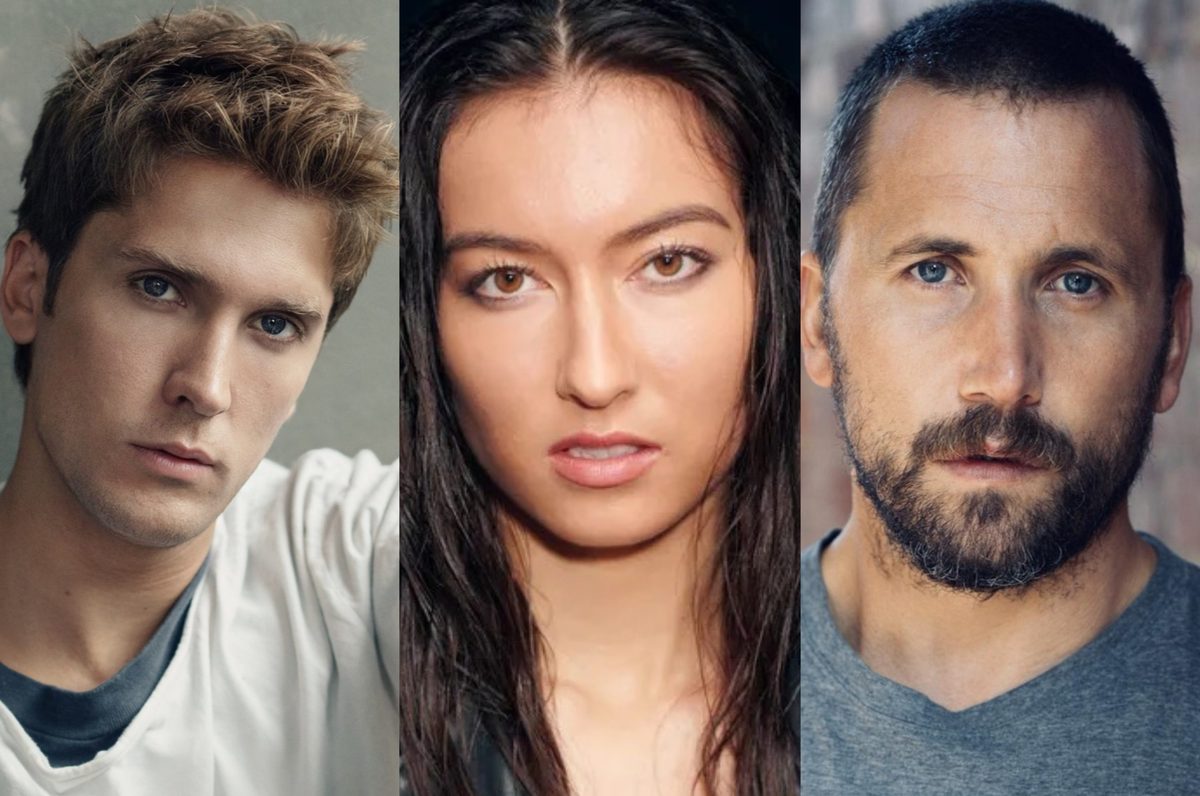
- Starring: Kimi Alexander as Luna, James Oliver Wheatley as Drew
- Genre: Indie Drama/Thriller
- Production Status: Principal photography completed
- Setting: A desert landscape that serves as both a romantic getaway and a backdrop for unfolding secrets
Background
Roel Reiné has carved a niche for himself in the film industry with a distinctive style that often blends action with rich storytelling. His previous works, particularly in the sci-fi and fantasy genres, have gained him recognition both in Hollywood and among independent cinema circles. Love Hate Hunt Kill marks a departure from his earlier projects, as he embraces an indie format that allows for greater artistic freedom and exploration of psychological themes.
The film follows Luna, played by newcomer Kimi Alexander, who embarks on what she believes will be a romantic getaway with her boyfriend Drew, portrayed by James Oliver Wheatley. However, the idyllic setting quickly turns into a tense exploration of their relationship as secrets and hidden motives begin to surface. The desert, often symbolizing isolation and introspection, serves as an apt metaphor for the characters' emotional landscapes.
Analysis
The choice to set Love Hate Hunt Kill in a remote desert environment is particularly noteworthy. Deserts often evoke themes of solitude and self-discovery, aligning well with Luna's journey as she grapples with her relationship and the truth about Drew. The stark, barren landscape serves as a powerful visual representation of the emotional voids that can exist even in seemingly perfect relationships.
Moreover, the film’s title itself encapsulates the duality of love and conflict that many relationships endure. The juxtaposition of 'love' and 'hate' suggests an exploration of the complexities inherent in romantic partnerships, where adoration can quickly shift to animosity. Reiné’s decision to focus on this theme reflects a growing trend in independent cinema to portray authentic, multifaceted characters rather than one-dimensional archetypes.
As the film moves into post-production, anticipation builds among audiences and critics alike. Reiné’s past successes create expectations for a film that is both visually stunning and emotionally engaging. The exploration of human relationships through the lens of suspense and drama could resonate strongly, especially in a time when audiences are seeking deeper narratives that reflect their own experiences and struggles.
Conclusion
With Love Hate Hunt Kill, Roel Reiné is poised to make a significant impact in the indie film sector, showcasing his ability to craft compelling narratives that challenge viewers’ perceptions of love and relationships. As production wraps, the film stands as a testament to Reiné's artistic evolution and commitment to storytelling. Audiences can look forward to a thrilling exploration of the human condition when the film is released, as it promises to be a captivating mix of romance and psychological intrigue.